
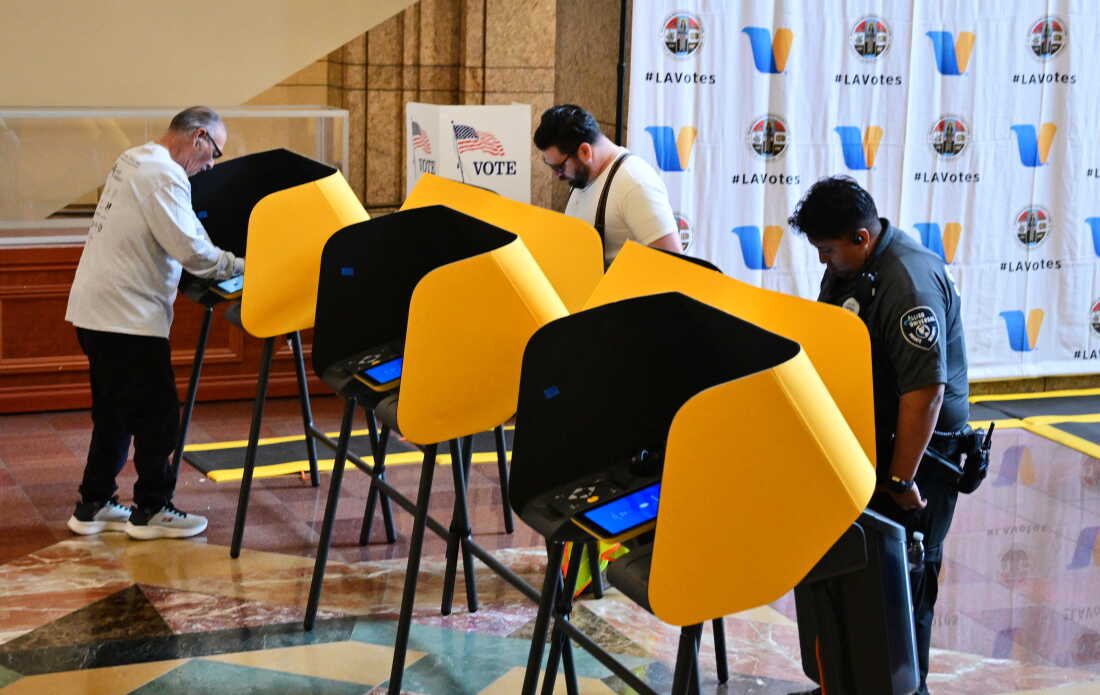
During California’s state primary election in Los Angeles, the Department of Justice has requested the state segregate ballots linked to 20,000 individuals it believes are “likely” noncitizens. Local officials, however, contend the list is “unreliable,” noting that some listed individuals have records indicating they were born in the U.S.
Recent court filings reveal the state’s resistance to the DOJ’s demand, arguing it is unworkable so close to the election date and might violate election laws. California dismissed the DOJ’s action as a “reckless political stunt” that risks disenfranchising voters.
The issue arose when the DOJ provided Los Angeles County with a list, initially on a thumb drive, identifying roughly 20,000 individuals believed to be noncitizens registered to vote within California. Concerns about security led county officials to avoid using the drive, prompting the DOJ to send the list as a spreadsheet.
Analysis by Los Angeles County Registrar Dean Logan showed 7,035 entries belong to county residents, with some duplications present. A sample review found the federal data unreliable, as nearly 39% included U.S. birth information, suggesting citizenship.
Questions remain about the comprehensive analysis, as the LA county clerk’s feedback on the filing’s numbers was not received promptly. Generally, U.S.-born individuals gain citizenship, thus raising doubts about the noncitizen list’s accuracy.
Out of 200 sample records, over half were linked to canceled or inactive registrations, with 70% showing no voting history. Despite Street assertions and methodology, previous noncitizen voting claims by the Trump administration have been inaccurate.
Deputy Attorney General Trent McCotter admitted potential errors in the list. “We’re not perfect,” he stated, urging California’s cooperation in verifying citizenship for listed individuals.
DOJ press secretary Kiersten Pels accused California of “willful blindness” and refusal to confirm citizenship for ballots cast by those on the list. Federal law mandates such violations must be addressed.
Meanwhile, criminal charges were filed against 28 people on the list. Some were unaware of their voting restrictions due to misunderstandings, not fraudulent intent. For instance, Kamlesh Shah, mistakenly believed possession of a Real ID entitled him to vote, highlighting common confusion among green-card holders.
Research confirms noncitizens voting is rare, typically stemming from green-card holders’ misunderstanding rather than deliberate fraud, underscoring the need for clarity and education on voting eligibility.