
Severe heat waves have been battering India since April. Many essential workers in the country face difficult choices as a result.
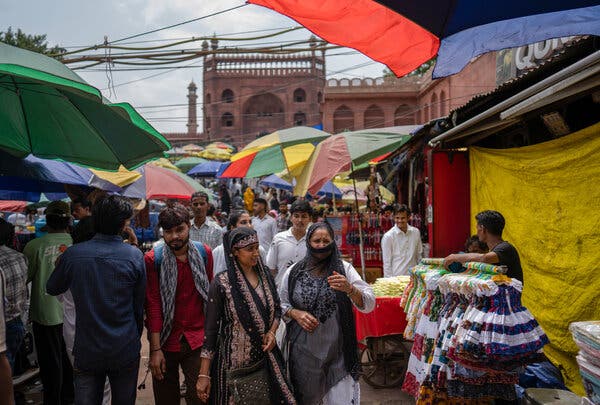
Last month, vendors erected large umbrellas to shield their kiosks at a flea market near Jama Masjid, a renowned mosque in New Delhi. These efforts highlight the daily struggles of workers laboring under the unyielding heat.
Sunil Rastogi, an auto-rickshaw driver in New Delhi, typically works 12-hour days. His earnings are vital for his family and his needed heart surgery. However, as temperatures rise above 100 degrees, Rastogi faces a pressing choice. Should he reduce his working hours, resulting in less income, or continue working, risking his delicate health?
“I feel tired as it is. This heat makes me even more tired,” Mr. Rastogi said the previous week.
For millions like Rastogi, who are wage laborers, construction workers, street vendors, and delivery drivers, New Delhi’s scorching summer imposes a harsh dilemma. They are torn between prioritizing their health or maintaining their income. These workers keep the city functioning but are highly vulnerable to extreme conditions.
On the hottest days, ground surface temperatures can reach 140 degrees, as reported by the Center for Science and Environment, a New Delhi-based think tank. Under such conditions, tarmac softens, and barefoot workers risk severe burns.
The intense heat illustrates the daily hazards that millions of Indian workers endure while balancing basic financial needs with severe health risks.