
A bipartisan effort is underway to make Daylight Saving Time permanent in the United States. The House Rules Committee has moved the Sunshine Protection Act forward, setting the stage for a chamber-wide vote. This act would allow states to keep Daylight Saving Time year-round, with the option for states to opt-out.
Support for this measure comes from many coastal lawmakers and former President Donald Trump. He has advocated for the permanent adoption of Daylight Saving Time, wanting to end the twice-yearly clock changes observed by all states except Hawaii and most of Arizona.
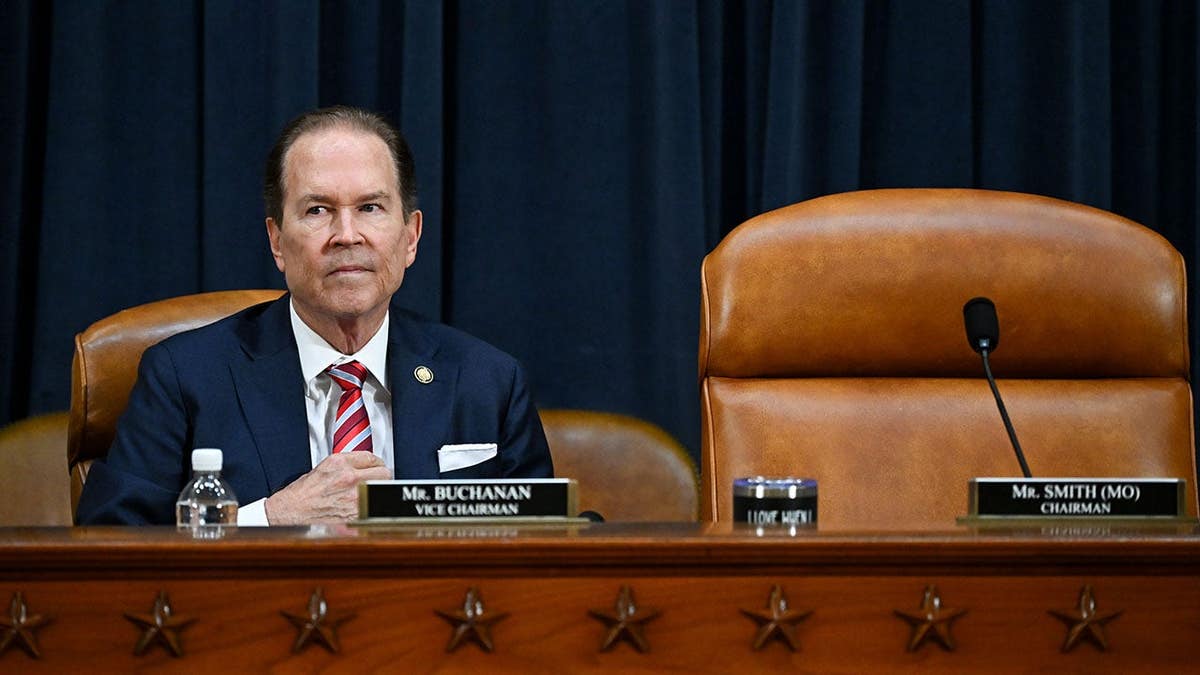
Advocates argue that shifting clocks has adverse health effects. They claim that a stable Daylight Saving Time will boost outdoor activities, tourism, and economic opportunities. Congressman Vern Buchanan, a Republican from Florida, stated, “Americans across the country are tired of the biannual time change,” highlighting benefits such as improved public health, reduced traffic incidents, decreased crime rates, and more outdoor activities.
Chairman Brett Guthrie, R-Ky., expressed similar sentiments. He noted that Americans strongly support ending the clock shift, citing positive effects on sleep schedules, energy savings, road safety, and economic growth.
“Ending the clock change is a commonsense reform that will improve everyday life for millions of Americans,” Rep. Buchanan emphasized.
The Energy and Commerce Committee approved the measure overwhelmingly in May. Trump voiced his support, linking its passage with benefits for the Republican Party, noting its popularity and the increased daylight it would offer.
Already, around 20 states are on board with permanent Daylight Saving Time, including Alabama, South Carolina, Oregon, Maine, and Florida. These states would enact permanent Daylight Saving Time if Congress allows it.
However, there are opponents, particularly from medical communities who advocate for standard time. They argue it aligns more closely with natural circadian rhythms, offering healthier outcomes. Rep. Mary Gay Scanlon proposed an alternative amendment supporting permanent standard time, citing risks for public health, especially in morning hours. This amendment was rejected swiftly.
Some congressional members remember the 1974 experiment with year-round Daylight Saving Time, which faced significant public opposition and was reverted due to health and safety concerns. Lawmakers like Rep. Nanette Barragán, D-Calif., oppose the current proposal, citing similar issues.
Certain conservative lawmakers feel larger, more critical legislative matters should be prioritized, like dealing with border security or advancing the SAVE America Act, which faces challenges in the Senate.
The Senate had passed the Sunshine Protection Act version in 2022. However, it did not advance in the House due to concerns about darker winter mornings.