
The U.S. Centers for Disease Control and Prevention (CDC) reported that a cyclospora outbreak connected to iceberg lettuce now affects 15 states. New states affected include Arkansas, Iowa, Missouri, Nebraska, New Hampshire, and North Carolina. Meanwhile, Indiana, Kentucky, Michigan, Ohio, West Virginia, Illinois, Kansas, Oklahoma, and Pennsylvania had previously been impacted.
This year, at least 47 states have reported cases of cyclosporiasis, the illness caused by the cyclospora parasite. Investigators are working to identify how many cases link back to a single contaminated source.
The CDC identified that 6,358 cases connected to the lettuce had been reported, with 278 hospitalizations and the first two deaths occurring in Michigan.
Initially, shredded iceberg lettuce at Taco Bell was suspected as the outbreak’s origin. Investigators later focused on Taylor Farms, a produce company, which has recalled iceberg lettuce grown in central Mexico.
Overall, since May 1, 10,468 laboratory-confirmed domestic cases of cyclosporiasis have been reported. Additionally, more than 12,255 cases remain under investigation. Michigan reported many of these cases, according to the CDC.
The CDC and the U.S. Food and Drug Administration are examining several case clusters, including those linked to Taylor Farms’ lettuce.
What Is Cyclospora?
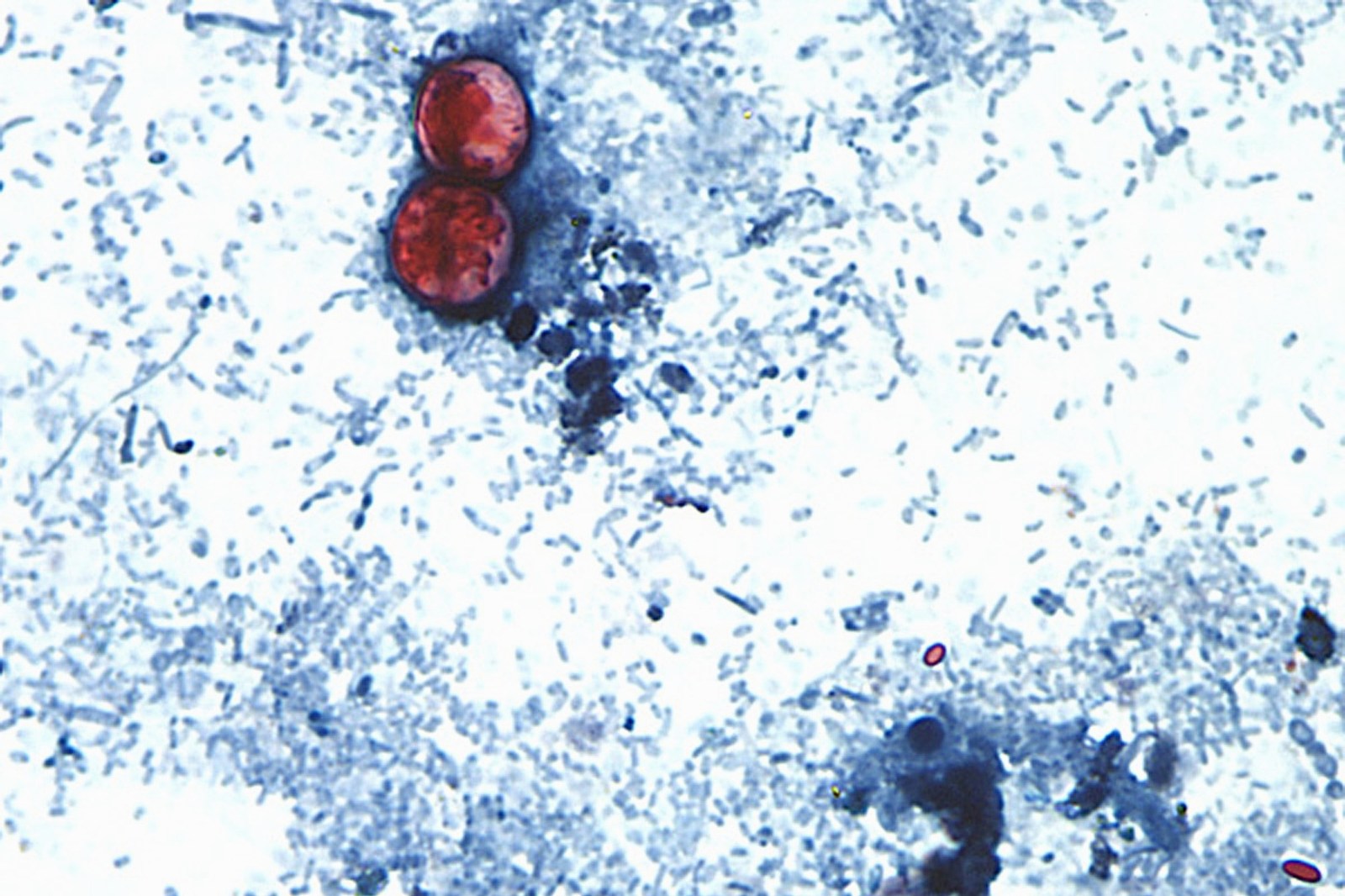
Cyclospora is a microscopic parasite that contaminates food through contact with water tainted by human feces. It often occurs when produce is washed or irrigated with such water. Upon ingestion, it can cause intestinal issues marked by frequent and sometimes severe bowel movements.
Reported and Unreported Cases
The CDC counts only laboratory-confirmed cases, but state data may include additional probable cases. Over 12,000 cases are unconfirmed and require more analysis, including investigations into potential overseas travel of patients before illness.
Many infections go unreported as some recover without medical care or testing, suggesting the actual number of illnesses is likely higher than current data shows.
Diagnosing and Treating Cyclosporiasis
Symptoms generally appear about a week post-exposure, ranging from two days to over two weeks. Without treatment, the illness could last more than a month and symptoms might subside and return multiple times.
Diagnosis involves stool testing, which may require multiple samples and specialized tests that aren’t standard. Treatment typically involves trimethoprim-sulfamethoxazole, an antibiotic combination, along with rest and fluid intake. Those with weakened health are more likely to develop severe symptoms.
Additional information and updates on the outbreak are available in Newsweek’s recent coverage.