
On Friday, Cuba experienced another widespread power outage, leaving millions without electricity. The Ministry of Energy and Mines reported the disruption via their official X account, explaining that service-restoration protocols were being initiated. This marks the sixth blackout since the U.S. administration cut fuel supplies to Cuba in January.
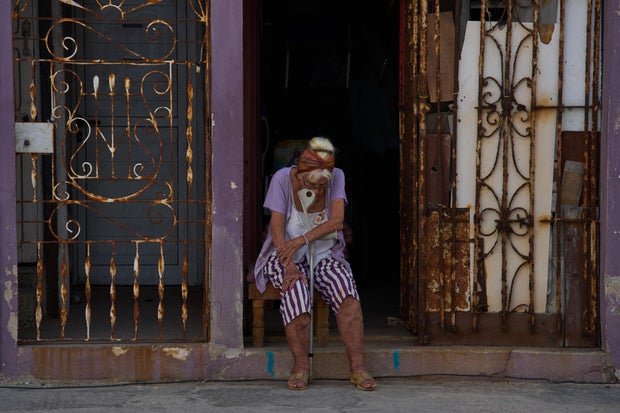
Mercedes Rodriguez, a resident in Havana expressed frustration about the situation. “No one can stand these constant blackouts,” she told The Associated Press, “There isn’t enough food, there’s no water, there’s no electricity.”
The outage was attributed to a failure in transmission lines in western Cuba, causing a chain reaction affecting areas up to Matanzas province and disconnecting the eastern part of the island. Weather conditions, described as “unstable,” have exacerbated the grid’s fragility.
By Friday evening, only 5% of Havana residents had regained power, impacting around 862,000 users. Some restoration efforts focused on small “micro-islands” in provinces like Camagüey, Pinar del Río, and Granma, prioritizing systems for hospitals and emergency facilities.
Abilén Marrero, another Havana resident, shared her uncertainty. “Maybe it’ll come back this afternoon or tomorrow—there’s no way to know,” she stated.
The island’s economic struggles have intensified power issues over the past two years, compounded by the U.S.’s energy blockade to pressure political change. A U.S. executive order aimed at restricting Cuba’s access to oil has limited their ability to operate and maintain aging power plants.
Since January, fuel imports have been scarce, with just one Russian tanker delivering fuel in March. Recent blackouts occurred in August, July, and March, alongside regional outages. Blackout durations often exceed 30 consecutive hours.
Ernesto Soberón Guzman, Cuba’s UN ambassador, labeled these outages as “collective punishment”. The embargo’s impact extends to transportation, work hours, and public health, affecting essential services like cooking, water supply, and internet.
Reports suggest the U.S. has explored military options but emphasized diplomatic solutions led by technocrats for economic reform. Despite pressure, progress remains stalled. President Trump has expressed a desire to replicate Venezuela’s government transition in Cuba but the situation is unresolved.