
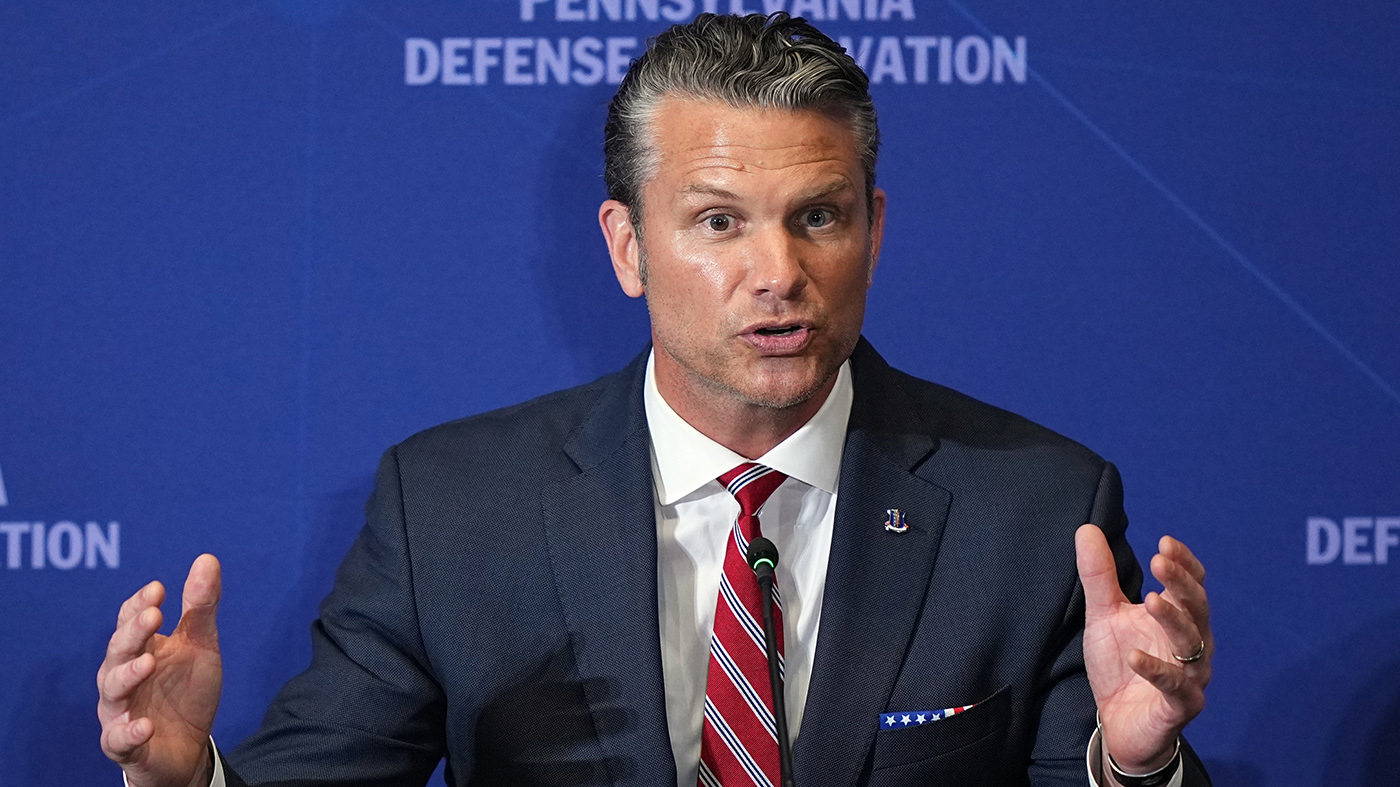
Defense Secretary Pete Hegseth addressed the United States Army War College during the Pennsylvania Defense and Innovation Summit on July 15, 2026. Recently, a federal judicial panel supported the Pentagon’s policy mandating government escorts for journalists within the building. This decision overturns an earlier ruling by a lower court.
The U.S. Court of Appeals for the D.C. Circuit delivered the verdict, with two out of three judges siding with the Defense Department. They believe the escort policy likely does not infringe on First Amendment rights. This development is a setback for a lawsuit by The New York Times, which challenged the policy as a press freedom violation. Previously, the Times successfully argued against strict credentialing rules that limited defense reporters’ information-gathering abilities. That aspect is currently under appeal.
The complaint from the Times highlighted concerns that the policy restricts journalists’ ability to report stories based on spontaneous interactions with Pentagon personnel. These stories often involve multiple conversations with press officers and reveal the atmosphere during significant military events. Pentagon officials argue that the escort requirement is crucial to prevent leaks of classified information and protect national security.
The panel of judges involved in the decision were appointed by former Presidents George H.W. Bush, Obama, and Biden. The judge nominated by Biden dissented. Their ruling reverses an earlier June decision by District Court Judge Paul L. Friedman, who had paused the escort requirement, criticizing it as a misunderstanding of the First Amendment.
The New York Times expressed disappointment with the temporary ruling. The outlet appreciated the expedited appeal process and is eager to continue legal discussions on the policy’s merits. This ruling adds another chapter to the ongoing conflict between Pentagon officials and the journalists covering military affairs following new rules enacted during the second Trump administration.
Before these changes, journalists had access to various public areas within the Pentagon. They were able to attend briefings and interact with sources. However, in October, many reporters returned their press passes rather than agree to a policy restricting them from seeking unauthorized information, regardless of its classification, or risk credential revocation.