
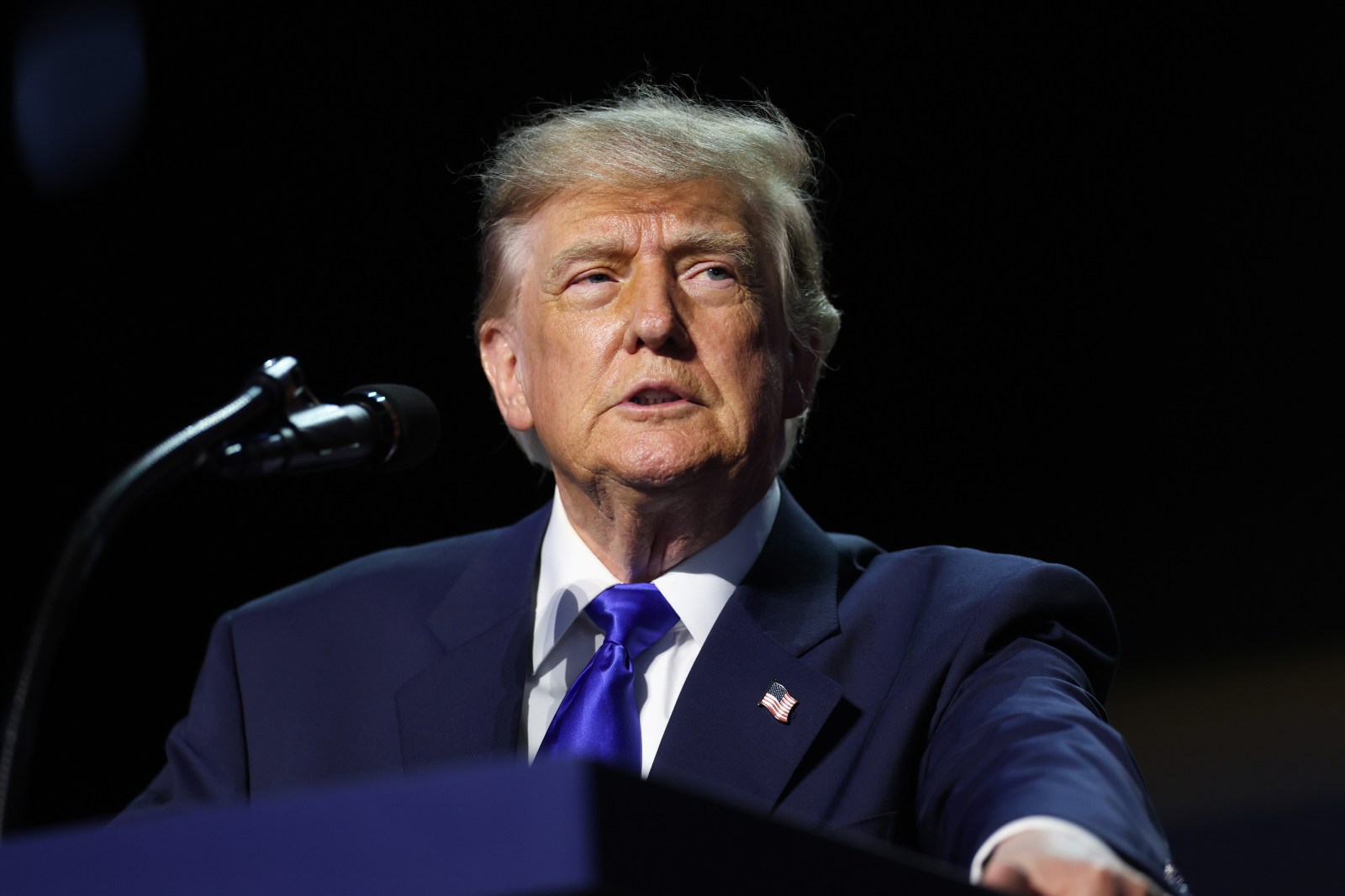
President Donald Trump has faced criticism from both Republican and Democratic circles for his taxpayer-funded advertisements promoting his administration’s agenda before the midterm elections. The White House has released three commercials highlighting his policies. One ad features Trump criticizing communism with the song “Love Me” by JMSN playing, concluding with UFC CEO Dana White praising Trump as the “toughest, most resilient person” he knows. Another ad sees Trump speaking about his campaign promises to “demolish the deep state” and expel “warmongers” from the government. A third ad shows him discussing the nation’s “golden age of America” at Mount Rushmore.
The White House labels these as public-service announcements, yet they have met bipartisan scrutiny over their financial justification. The Associated Press reports that the first ad alone cost at least $443,000. These ads come with less than two months to the midterm elections, which many predict will focus on evaluating Trump’s presidency. A significant portion of Americans are reportedly dissatisfied with Trump’s leadership amid economic challenges, including rising living costs and gas prices. Democrats aim to leverage Trump’s unpopularity to regain control of Congress.
Republican Criticism of Trump Ads
Members of Trump’s own party have expressed their disapproval of the advertisements. Senator John Kennedy, a Louisiana Republican, voiced his disagreement on CBS News’ Face the Nation, stating, “I don’t think any public official should spend public money on private ads.” However, he acknowledged the White House’s differing view.
Representative Thomas Massie of Kentucky compared the advertisements to tactics seen in authoritarian regimes. Senator Thom Tillis of North Carolina described the ads as “inappropriate,” suggesting they reflect the methods of foreign leaders such as Viktor Orbán.
Former Representative Justin Amash, now apart from the Republican Party, categorized the ads as taxpayer-funded propaganda. Conservative commentator Erick Erickson called them a “waste of taxpayer dollars,” and Michael Steele, the former RNC chairman, criticized the ads as illegal and unethical political propaganda.
White House Defense and Impact on Midterms
A White House spokesperson defended the ads, claiming they remind Americans of national pride and patriotism. The statement emphasized that the ad serves an educational and nationalistic purpose.
Robert Y. Shapiro, a Columbia University political science professor, commented that the ads might not sway more voters who are non-supportive of Trump, suggesting the effects will likely be marginal. During previous administrations, public service announcements focused on specific policies, like the COVID-19 vaccine under President Biden.
Federal appropriations law permits taxpayer-funded ads for legitimate government purposes but forbids using funds for unauthorized publicity or politically driven propaganda. The Hatch Act also limits political activities by federal employees. Critics argue some advertisements exceed these bounds.
Trump’s Approval Ratings and Party Dynamics
Trump’s approval ratings have declined sharply according to recent polls. An American Research Poll showed his approval at 29%, while 68% disapproved. A poll from Emerson College cited a -19 point net approval rating, with 58% disapproving. Additionally, a YouGov and The Economist poll found 35% of Americans approved of Trump, while 62% disapproved.
In light of these ratings, Republicans are reevaluating their ties to Trump before the midterms. Some, like Representative Ashley Hinson and Michigan’s Mike Rogers, have noted price concerns and advocate for ending the Iran conflict. Representative Maria Elvira Salazar criticized the administration’s immigration actions, promoting policies offering dignity to immigrants.
Representative Byron Donalds, a gubernatorial candidate in Florida, removed Trump references from his campaign website, while clarifying his focus remains on local issues such as affordability and transparency.
Upcoming Midterm Elections
The next five weeks will determine campaign strategies and messaging as the midterms approach. Trump’s popularity, along with critical issues like the economy and foreign policy challenges, will influence candidate positions and voter decisions.
Contact Newsweek editors on this story: Gabe Whisnant and James Debens