
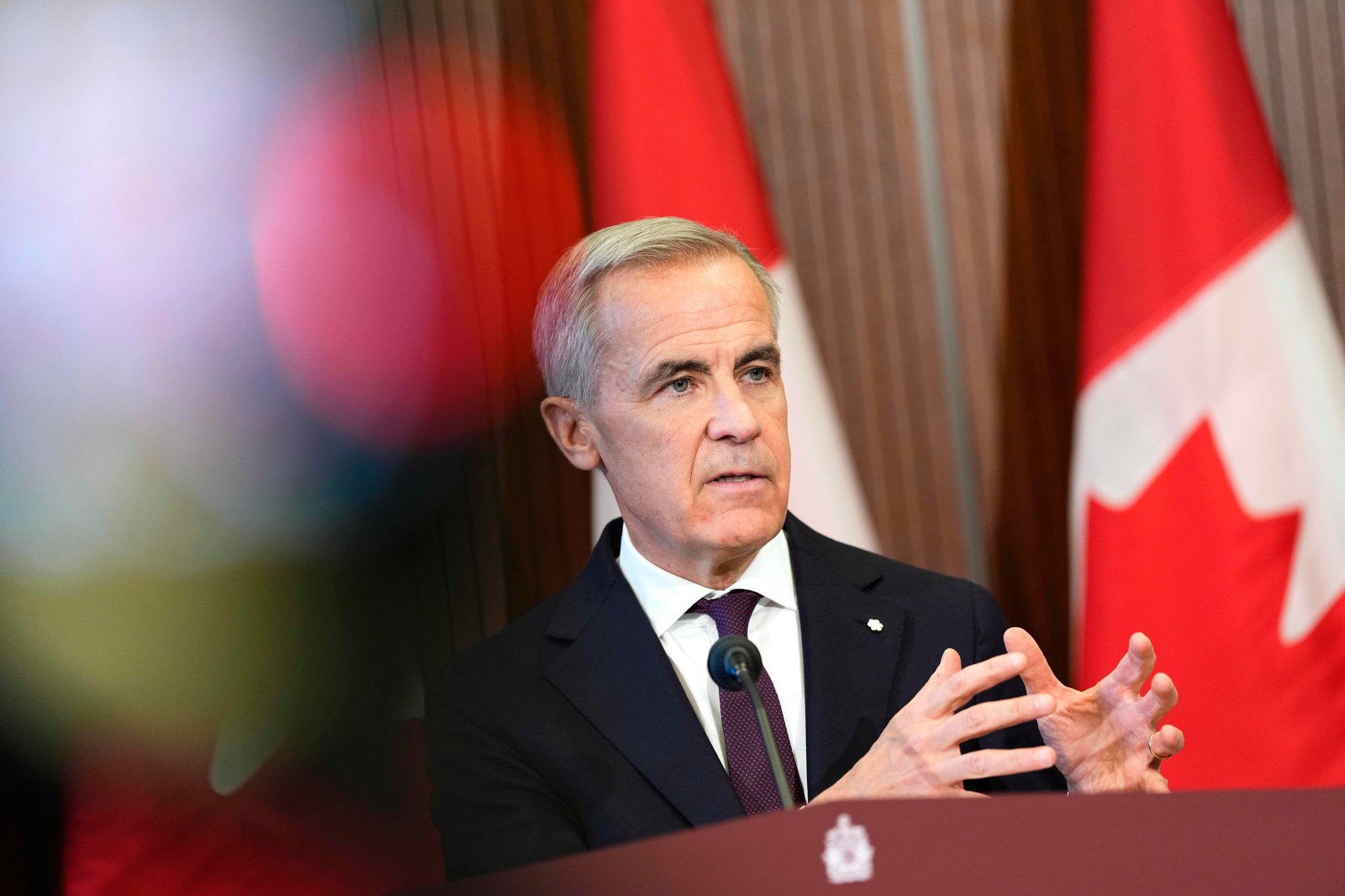
The province of British Columbia has elected a Conservative government, marking the first such occurrence in 98 years. This overwhelming victory may pose challenges for Canadian Prime Minister Mark Carney. The New Democratic Party (NDP), known for its left-leaning policies, was unseated after nine years in power. This change followed a snap election initiated two years early by Premier David Eby.
Lorne Doerkson led the Conservatives to a commanding lead in 64 out of 93 electoral districts, surpassing the required 47 for a majority. This result sends a clear message to Carney’s government, led by the center-left Liberal Party, which faces a national election in 2029. The backdrop to this event includes U.S. President Donald Trump’s ongoing trade conflict with Canada. Trump publicized the Conservatives’ victory on his social media platform, Truth Social.
When contacted by Newsweek, Carney’s office referred to a post on X where Carney congratulated Doerkson, expressing anticipation for collaboration aimed at increasing housing, boosting energy potential, and strengthening both British Columbia and Canada.
Doerkson emphasized key campaign promises such as affordability, tax reduction, and expanded energy production, framing the victory as a signal for a “new direction” in British Columbia. Newsweek reached out to Eby’s and Doerkson’s offices for additional comments.
British Columbia’s Snap Election Context
Premier Eby called for the snap election on September 22 to secure more seats for the NDP amid Trump’s trade tariffs against Canada. The NDP won narrowly in the 2024 election, capturing 47 of the legislature’s 93 seats, compared to the Conservatives’ 44 and the Greens’ two.
This election unfolded amid internal strife within the Conservative Party, with their leader Kerry-Lynne Findlay’s resignation and subsequent defections. Doerkson, then an interim leader, succeeded in consolidating the movement, bringing back several former Conservative legislators.
Following the results, Eby resigned as NDP leader, acknowledging responsibility for the outcome. He later praised Doerkson on X, calling his service as premier “the honour of a lifetime.” Doerkson, expressing gratitude, assured British Columbians of his commitment in a post on X.
Implications for Prime Minister Carney
Carney’s party currently holds 20 of British Columbia’s 43 seats in Canada’s House of Commons, with federal Conservatives holding 19. Should the provincial results reflect broader national trends, this could jeopardize the seats necessary for Carney’s party to maintain power.
The election outcomes hint at possible effectiveness limits regarding campaigns focused on Trump’s perceived threats, which have been central to both Eby’s efforts and Carney’s broader strategy. Notably, provincial and federal voting behaviors can differ significantly.
Data from a recent Leger poll surveying 1,525 individuals between October 9 and 12 revealed 48 percent support for the Liberals, 33 percent for the Conservatives, and 8 percent for the NDP. The survey’s margin of error was recorded at +/-2.5 percentage points.
For further updates, contact Newsweek editors Matthew Robinson and Trevor Davies.