
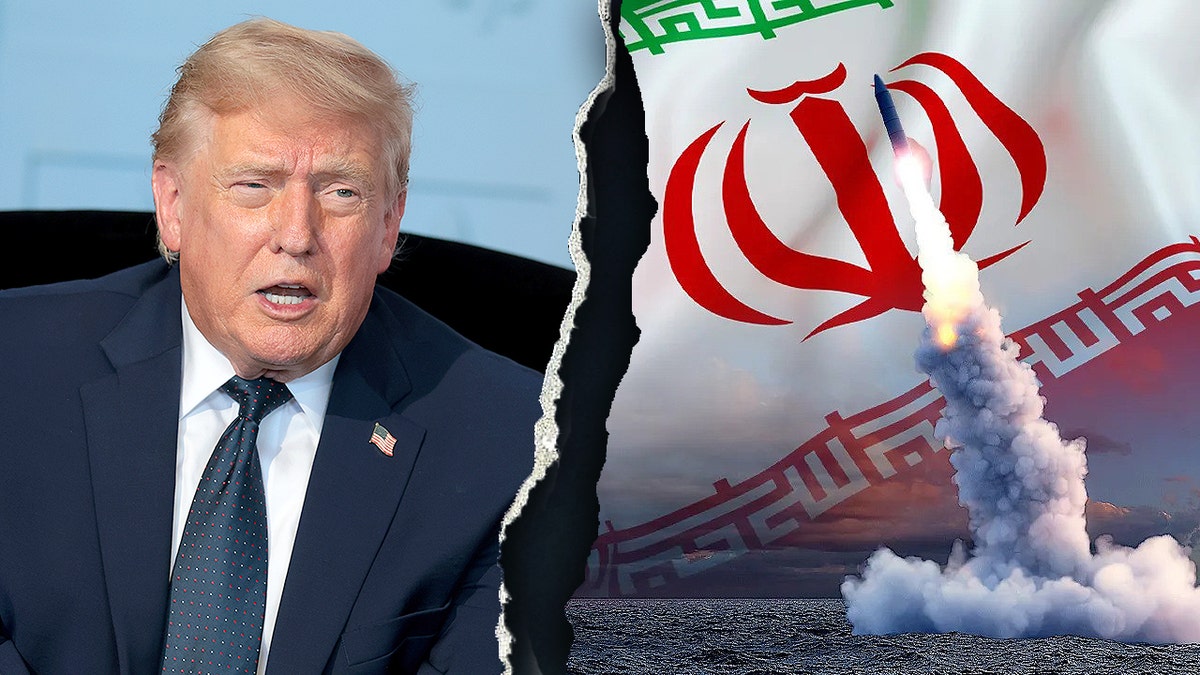
Representative Rich McCormick, a Republican from Georgia, expresses strong skepticism about the ongoing Iran nuclear negotiations. McCormick supports the stance of former President Donald Trump, describing the deal as akin to an ‘unconditional surrender.’ He voices concerns that unfreezing billions in assets could bolster Iran’s military capabilities. McCormick underscores the regime’s history of aggression and calls for its transformation.
Trump’s proposed framework faces criticism from nuclear experts. They warn that Tehran might retain excessive control over its uranium reserves unless inspectors ensure the material is located, secured, and verified. The Memorandum of Understanding (MOU) between the U.S. and Iran includes language about ‘downblending,’ which refers to diluting enriched uranium. This process, under International Atomic Energy Agency (IAEA) supervision, is the minimum way to handle the material.
Experts emphasize the necessity of unrestricted verification. Chuck DeVore, from the Texas Public Policy Foundation, insists on-ground inspections are irreplaceable, despite remote technological capabilities. The MOU sets a 60-day window for negotiations but lacks clarity on Iran’s enriched uranium stockpile.
IAEA recently highlighted limited access to Iran’s nuclear sites post-military strikes, with no information received aside from a single plant inspection. A senior U.S. administration official shared that the MOU demands Iran reaffirm its non-proliferation commitment as a fundamental step. Continued discussions aim to advance agreements on uranium stockpiles and inspection access.
Negotiations between the U.S. and Iran have faced delays amid tensions involving Israel and Hezbollah. Vice President JD Vance articulated that the deal’s effectiveness hinges on Iran fulfilling promises like dismantling enriched stockpiles and allowing inspector access.
Andrea Stricker, Foundation for Defense of Democracies’ deputy director, insists any credible agreement must begin with recovering and safeguarding Iran’s uranium. She warns that if left unchecked, the stockpile could allow for the production of nuclear weapons.
DeVore is cautious about estimating Iran’s potential nuclear capacity, citing the sophistication of weapon designs. He notes that downblending, if verified properly, targets rendering 60% enriched uranium unusable for further enrichment.
To enforce any deal, DeVore stresses the need for on-site verification. He criticizes previous agreements that allowed Iran to limit inspection access, asserting that new negotiations must avoid similar pitfalls.
Fox News Digital contacted the IAEA regarding its ability to verify Iran’s uranium stockpile and its stance on verification issues raised by the framework.