
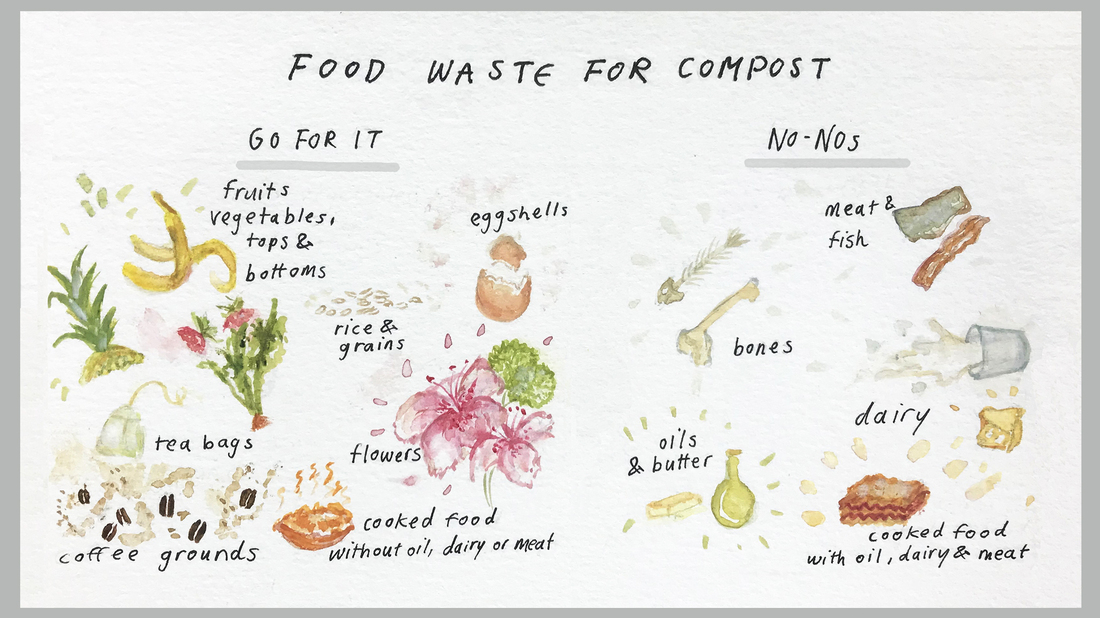
Climate change is impacting our food, and our food choices are affecting the climate. Approximately 8% of greenhouse gas emissions are from wasted food, and 30% to 40% of food gets wasted in the U.S. Keeping food out of landfills can mitigate climate change, and composting offers a simple solution for handling home food waste.
1. Select Your Food Scraps
Start with fruit and vegetable peelings, tea bags, coffee grounds, eggshells, and old flowers, even human hair. Avoid meat and dairy products to prevent attracting pests. Items labeled “compostable” may require industrial facilities and are not suitable for home composting.
2. Store Those Food Scraps
Store kitchen scraps in containers like an old milk carton or a bag in your freezer or refrigerator. This method prevents odors and insects. Use these scraps to layer and speed up decomposition.
3. Choose a Place for Compost
Consider your living space. Those without a backyard can take scraps to shared community piles. In apartments, vermicomposting with worms or Bokashi fermentation are alternatives. Small containers or community programs can collect and process scraps.
4. Make the Compost Mix
Mix “greens” and “browns” for compost. Greens provide nitrogen and include fresh food scraps and grass clippings. Browns offer carbon, including egg cartons and dried leaves. Layer browns first to allow aeration for microorganisms. Balance layers with more browns than greens.
5. Wait and Aerate
Decomposition time varies. Hot conditions can take two months; colder could need six months to a year. Turn the pile periodically for aeration. Compost should smell earthy when ready, not like a trash bin. Finished compost can enrich your garden or contribute to community efforts.
Composting requires time and patience. Below are some resources for troubleshooting:
- Texas A&M AgriLife Extension’s compost trouble-shooting guide
- Jeffrey Neal’s resources on worm composting and Bokashi
- Oregon State’s guide on composting and vermicomposting
- Cornell University’s detailed composting resources