
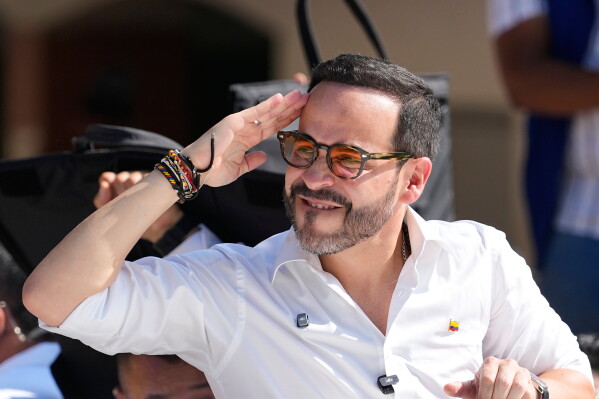
In Colombia, the presidential election has brought two significant contenders to the forefront: Abelardo de la Espriella, a tough-on-crime lawyer, and Iván Cepeda, known for his peace-oriented policies. The first round concluded with de la Espriella securing nearly 44% of the vote, while Cepeda garnered just under 41%. Neither reached the 50% needed for an outright victory, leading to a runoff scheduled for later in June.
Political Context and Candidates
De la Espriella, dubbed “El Tigre” or “The Tiger,” aligns himself with a strong-armed approach to crime, drawing parallels to U.S. policies under President Donald Trump. His promises include cracking down on criminal gangs and constructing large prisons, inspired by El Salvador’s strategy against gangs. This approach contrasts starkly with Iván Cepeda’s, which is rooted in his alliance with Colombia’s outgoing President Gustavo Petro and aims to extend a peace-focused agenda.
Cepeda’s campaign emphasizes continuing Petro’s efforts towards peace through negotiation, despite criticisms of past failures to curb violence. These differences set the stage for the upcoming runoff election, reflecting Colombia’s internal divisions on handling its longstanding conflicts.
Reactions to Election Outcomes
Current President Gustavo Petro has publicly challenged the integrity of the election results, suggesting interference without evidence. Paloma Valencia, a centrist voice and establishment party candidate, received less than 7% of the vote, indicating the current political climate’s polarization.
For many Colombians, the election acts as a broader referendum on Petro’s peace negotiations and progressive policies. Some voters, like Maria Eugenia, express skepticism toward peace initiatives, arguing they embolden armed groups. Instead, they favor de la Espriella’s hardline strategy as a solution to rampant rural violence.
Implications for Colombia and Beyond
Nationwide, the vote reflects broader trends across Latin America, where there is a noticeable shift toward candidates promising stronger security measures. Observers like sociologist Juan Acevedo caution that reverting to militaristic solutions risks reigniting cycles of violence. There is concern that such an approach may undo progress made by peace accords established a decade ago with groups like the Revolutionary Armed Forces of Colombia (FARC).
As the June runoff approaches, Colombian voters face a crucial decision. The outcome could influence regional politics, signaling whether Latin American countries might continue exploring progressive policies or return to more conservative, security-driven approaches. The results will also illuminate Colombia’s future direction—whether it will prioritize peace-building efforts or opt for a more aggressive stance against criminal groups.