
Clarifying H-1B Visa Holder Policy
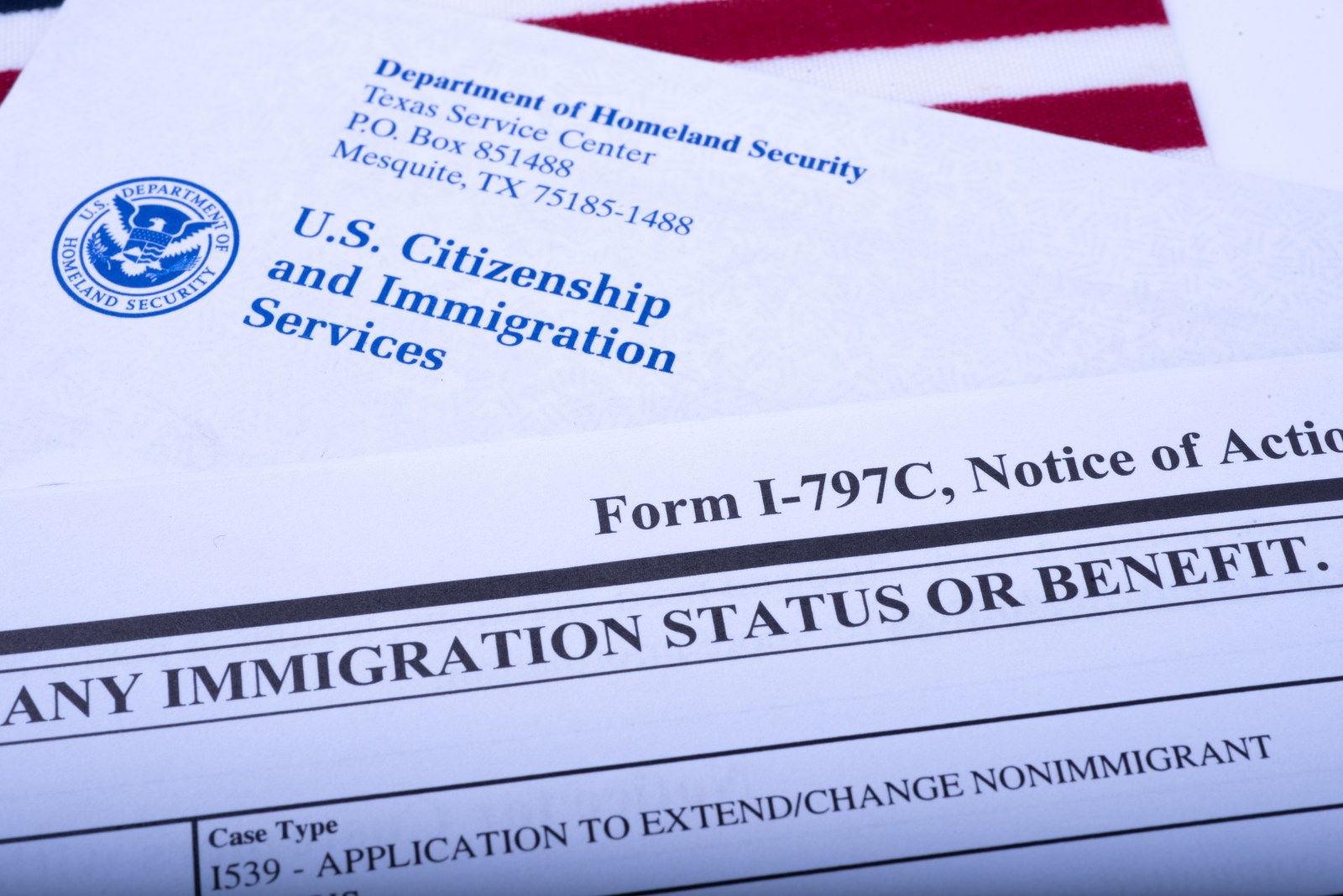
U.S. immigration authorities have clarified a policy from the previous administration regarding H-1B visa holders. This change may prevent many from needing to exit the country to apply for a green card. The clarification comes after a broad policy memo that limits the conditions under which foreign nationals living in the U.S. can switch to permanent residency without leaving the country.
Transition to Permanent Residency
The newly outlined approach alters the shift from temporary nonimmigrant status to permanent residency. For years, adjusting status domestically was a common administrative practice. Under new guidance, domestic adjustment is reserved for special cases.
Zach Kahler from USCIS emphasized that this policy intends to reinforce the original intention of the law, requiring those temporarily in the U.S. to apply abroad for permanent residency unless under extraordinary circumstances.
Impact on H-1B Visa Holders
“People who present applications that provide an economic benefit or otherwise are in the national interest will likely be able to continue on their current path,” said Kahler.
This statement highlights the importance of the “economic benefit” or “national interest” criteria for H-1B visa holders. These individuals support crucial U.S. sectors like technology, engineering, and healthcare.
Practical and Economic Implications
The policy could have extensive effects:
- Extended Travel Risks: Mandatory departure may lead to long absences due to visa backlogs or travel restrictions.
- Human and Corporate Toll: Potential for family separations and operational issues for employers.
- Lack of Clarity: The immigration system lacks clear criteria and timelines for exemptions.
Overview of the H-1B Visa
The H-1B visa is a nonimmigrant visa allowing U.S. companies to employ foreign workers. It lasts up to three years and can extend to six years.
- Statutory Caps: Limited to 85,000 new slots yearly, with 20,000 for those with advanced U.S. degrees.
- Educational Criteria: Jobs must require a degree, and workers must hold a suitable degree or equivalent experience.
- Employer Obligations: Employers must offer roles meeting specialty occupation standards and pay prevailing wages.
Future of the Pathway
Previously, various visa holders could adjust status in the U.S., keeping families together and reducing consulate pressures. Now, this process is a rare exception, with most expected to apply abroad.