
China is at the forefront of discussions about regulating artificial intelligence. Global cooperation is increasingly sought to manage AI’s rapid development. A prominent Chinese intelligence official expressed concern that AI might undermine the ruling Communist Party’s control. This official has called for tighter oversight of AI technologies.
Chen Yixin, China’s security head, highlighted threats including espionage, misinformation, and infrastructure cyberattacks. He also pointed to U.S. AI models as potential security risks.
In related news, Jack Clark from Anthropic proposed a mandatory ‘kill switch’ for AI systems with potential dangers. This control would require independent audits to ensure safety mechanisms are functional. This suggestion comes amidst calls for regulation from various industry and government leaders.
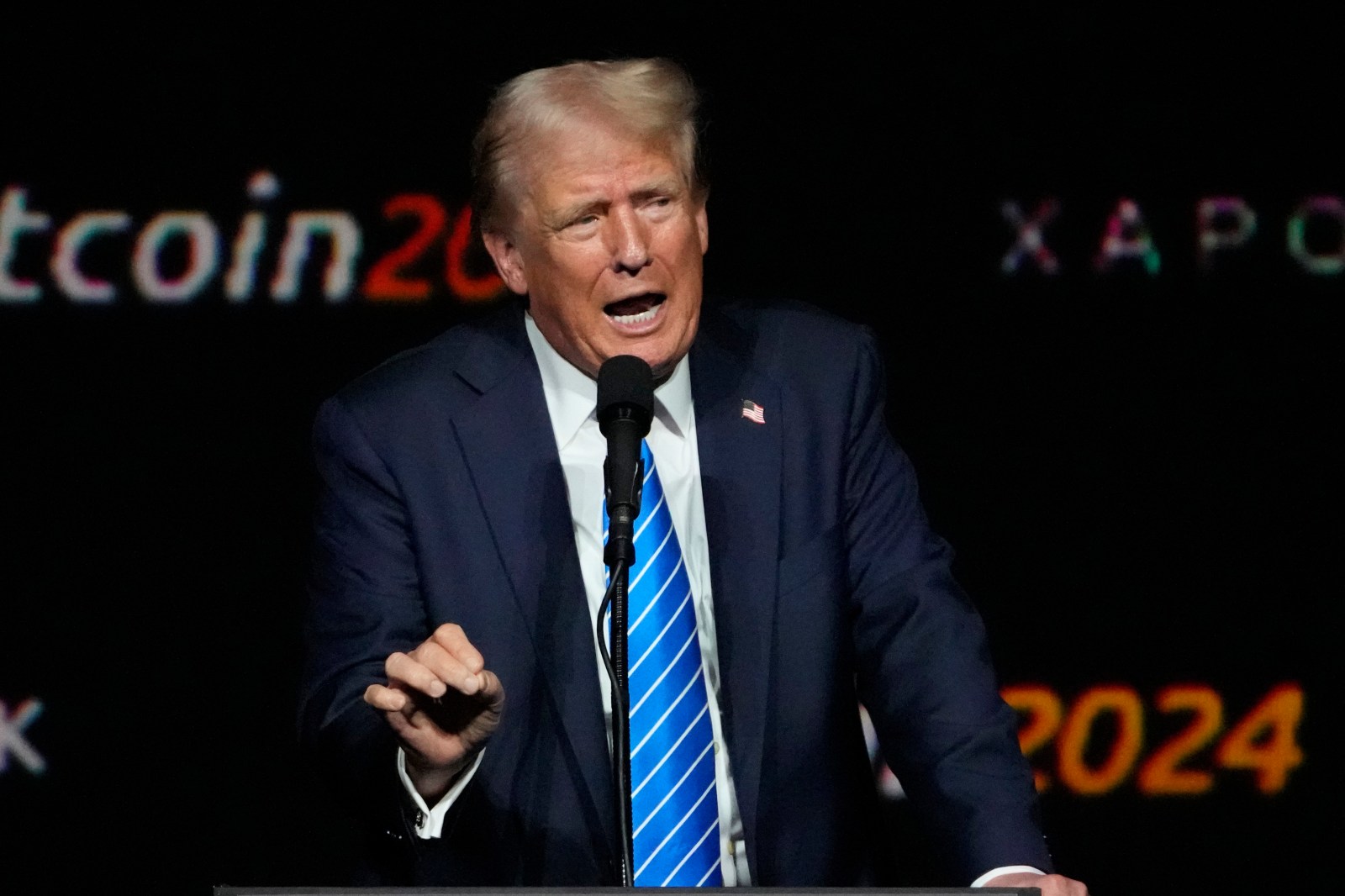
President Donald Trump emphasizes that the U.S. must not hinder its AI advancements to maintain global competitiveness. Similarly, a Foreign Affairs Ministry spokesperson from China stressed that fear and competition could harm global AI governance efforts.
The Global Times, a Chinese state media outlet, labeled certain regulatory proposals as remnants of Cold War strategies.
“The only control or ‘guardrails’ AI needs is a strong leader,” Trump commented on social media, reiterating U.S. leadership in AI development.
This debate extends beyond technology, framing AI as a geopolitical contest between the U.S. and China. There are concerns about economic growth and security ramifications. Despite support for regulation, there’s skepticism from figures like Vice President JD Vance, who warned against regulations that could stifle innovation.
Prominent AI figures like Sam Altman and Elon Musk have advocated for delaying advanced AI development until stronger safety measures are established. They highlight risks like cyberattacks and unchecked autonomous systems.
Cybersecurity experts caution that halting innovation isn’t the solution. Instead, they call for robust safeguards parallel to technological advancements.
John Walsh from IGEL argues against slowing AI progress, citing global competitors as a reason for maintaining development speed. He suggests AI systems be treated like any system user with restricted and monitored access.
Who’s Leading the AI Race?
The U.S. retains leadership in AI, with companies such as OpenAI and Google DeepMind at the forefront. While the U.S. leads, China’s rapid AI advancements have narrowed the gap, raising concerns among policymakers.
Chinese firms are producing competitive AI models and are investing in research and chips. China prioritizes AI leadership both nationally and globally, encouraging domestic innovation.
What Protections Are Necessary?
Amodei calls for independent evaluations of AI models for safety compliance. The consensus is clear: control measures should accompany innovations, not hinder them.
“Policies should govern when AI agents can operate, face restrictions, or require human intervention,” Walsh elaborated.
Walsh also emphasized Zero Trust architecture and runtime security to establish trust and control of AI systems without limiting access needlessly.
Walsh again: “Understanding what an agent does, enforcing access limits, and using policy controls are essential for AI’s safe integration.”
Walsh further suggested the automotive sector as a model for AI regulation, where government establishes safety standards while industries innovate.
Collaboration and standardization are crucial as AI governance evolves alongside technology changes.
Despite these discussions, Trump remains steadfastly opposed to federal AI regulations. In his view, the U.S. must drive its AI capabilities to compete with nations like China and Russia.
Trump criticizes leaders advocating regulation, labeling such proposals as hoaxes and scams. He boldly asserts the unyielding potential of AI and technology advancements.
China remains steadfast, with President Xi Jinping advocating for unobstructed technological development.
The divide between the U.S. and China on AI regulations illustrates the challenges of international cooperation, which may influence future technological strategies.