
Learn about key events in Chicago’s history that took place on June 6, spanning from pivotal moments during World War II to recent developments in urban spaces.
World War II: D-Day Observance
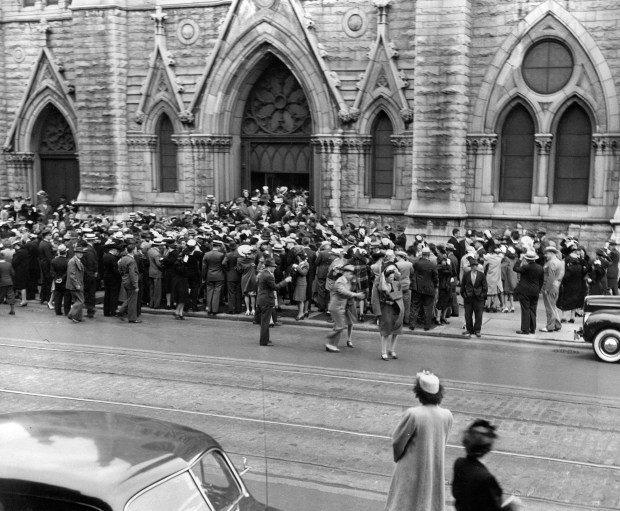
On June 6, 1944, Chicagoans gathered in communal prayer as Allied forces initiated the D-Day invasion of Nazi-occupied France. Attendees filled various churches, including Holy Name Cathedral. The day’s headline in the Chicago Daily Tribune boldly declared, “Allies Invade France.”
Weather Records for June 6
According to the National Weather Service, historical weather records for the date are as follows:
- High temperature: 97 degrees (1971)
- Low temperature: 39 degrees (1985)
- Precipitation: 1.6 inches (1931)
- No recorded snowfall
Medinah Temple: A Historical Landmark
In 1883, the Imperial Grand Council issued Charter No. 14 for Medinah Temple during its ninth Imperial Session in New York. The site, located in Chicago, has served various purposes over the decades, from hosting Shriners meetings to circuses and casinos.
Introduction of Chicago’s Elevated Railroad
Despite a lack of fanfare, the first elevated railroad in Chicago commenced service on June 6, 1892. The Chicago Tribune remarked on its “decided success,” as it facilitated transit between 39th and Congress streets.
The Helen Vorhees Brach Case
In 1995, Richard Bailey received a life sentence for his part in the disappearance of candy heiress Helen Vorhees Brach in 1979. His sentence was later reduced to 30 years. Prosecutors suggested Bailey hired someone to murder Brach to prevent her from discovering his fraudulent horse dealings. Though she was declared dead in 1984, her body was never recovered.
Riley Fox Case Resolution
On June 6, 2004, the body of three-year-old Riley Fox was discovered in Wilmington. Her father, Kevin Fox, initially faced arrest, yet he was later exonerated. In 2010, Scott Eby, a convicted sex offender, pled guilty to the crime, receiving a life sentence without parole.
Opening of The 606
The 606, a new elevated park system in Chicago, officially opened to the public on June 6, 2015. This development transformed old railway lines into a vital urban green space.
Stay informed and explore more about Chicago’s history through the Vintage Chicago Tribune newsletter or by joining local history discussions on social media.