
Chicago’s Budget Proposal Targets Large Corporations
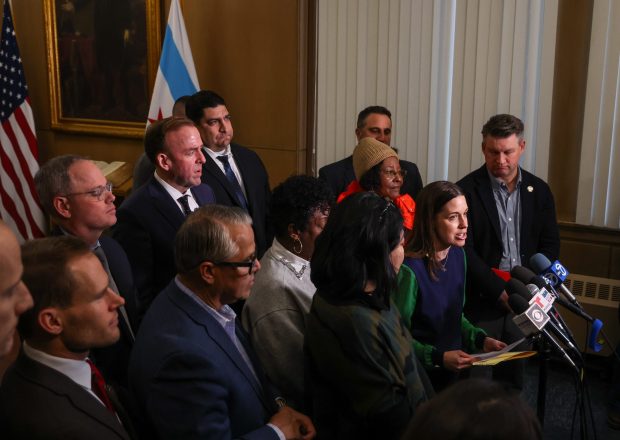
Mayor Brandon Johnson plans for Chicago to impose an employee head tax on big corporations when unveiling his budget proposal. This tax will exempt businesses in less wealthy areas of the city. Further, Johnson will propose borrowing $480 million to cover police lawsuit settlements and raise property lease transaction taxes from 15% to 20%. These measures aim to shield Chicago residents from direct tax hikes by placing a larger financial burden on larger corporations.
Johnson focuses on taxing the wealthy to balance the budget and avoid property tax hikes or layoffs as Chicago approaches its next mayoral election. His administration confirms the plan includes no broad layoffs or property tax increases. However, the mayor’s office declined to comment on the details.
Details of the Proposed Head Tax
The head tax levies a $25 charge per employee at companies with more than 125 full-time staff. Unlike previous proposals, businesses in socioeconomically disadvantaged areas will receive rebates. This approach incentivizes corporate presence in weaker economic regions and is estimated to generate $102 million.
Johnson revived the head tax fight, emphasizing taxing large entities to gather needed funds for city developments. Last year’s head tax attempt failed as the City Council opted for a different spending plan. Johnson believes targeting wealthier organizations underpins his political strength as he seeks reelection.
Expanded Tax Efforts and Borrowing Plans
Alongside the head tax, Johnson proposes raising personal property leasing taxes, targeting the reliance on cloud computing by large corporations. Borrowing $480 million will fund police-related settlements, including previous high-cost lawsuits. Johnson initially considered paying these without borrowing but included them in budget estimates.
Previous borrowing sparked concern over structural solutions for budget gaps. Despite Johnson’s rhetoric, additional fees and taxes may come if his budget passes. Increased taxes on sports betting, liquor, and package sales aim to raise substantial revenue.
Overall, large businesses bear the financial brunt under Johnson’s plan. He advocates taxing corporations for their fair share due to federal tax cuts allowing them more cash reserves. This approach highlights the resources needed for neighborhood investments and improved living standards.
Addressing Long-Term Financial Challenges
Chicago faces an $882.4 million budget deficit, largely due to pension liabilities and city settlements. Johnson committed to a significant pension payment in 2027, continuing previous policies to stabilize retiree funds. Rising pension costs will reach $2.94 billion due to increases in employee and energy expenditures.
The city’s debt service payments will rise, further burdening the budget. Chicago’s recent credit rating downgrades emphasize financial instability. Budgetary solutions will impact future borrowing costs and fiscal reliability.
Securing council approval will be essential for enacting Johnson’s budget plans, aiming for consensus among council members.