
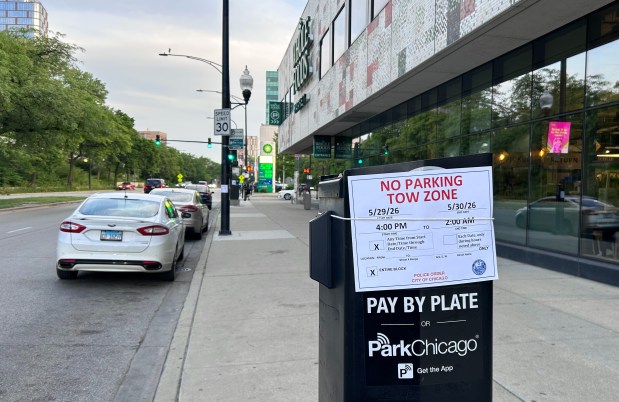
Chicago aldermen are seeking legal counsel and demanding more information as they consider the approval or rejection of a new sale involving the city’s parking meters. The main issue at City Hall is whether the City Council has the power to amend the controversial privatization deal.
Alderman Andre Vasquez expressed uncertainty, stating, “I don’t know.” In response, he suggested pausing the decision until further clarity is obtained.
Vasquez, along with 13 other aldermen, sent a letter to Stonepeak Partners, a New York investment firm interested in purchasing the lease from Chicago Parking Meters LLC. The letter expressed concerns about Stonepeak’s ownership of Omni Air International, a company involved in deportation flights.
Chicago’s values as a welcoming city require consideration of the broader human impact of partnerships and investments.
The aldermen requested more information from Stonepeak, such as their plans for data collection and any connections to immigration enforcement. The group also urged public engagement, allowing residents to express their opinions on the deal.
The letter signals that some City Council members might believe they can leverage their approval rights to secure concessions. However, the ability of aldermen to influence the deal remains the central question.
Back in 2008, the city secured a $1.15 billion cash payment in exchange for a 75-year lease of the parking system, a decision widely criticized for handing substantial profits to private owners. These profits far exceed the initial payment, generating significant revenue since the sale, while limiting the city’s ability to make changes that reduce parking.
Aldermen arguing that they possess leverage point to specific clauses in the original ordinance and contract. One clause states that aldermen must approve any sale, while another considers the “background and reputation” of potential operators.
The stakes are high. Stonepeak and other parties likely contend that the city’s approval should only hinge on proving that a buyer can operate the system effectively. Blocking a sale could lead to a costly lawsuit.
Mayor Brandon Johnson has largely refrained from engaging in the debate. He commented that aldermen have a minimal role in reviewing the buyer.
Johnson’s administration argues that legal constraints prevent interference in the deal. Some aldermen have accused him of withholding crucial information, blaming a confidentiality agreement for the lack of transparency.
A group of 22 aldermen wrote to Mayor Johnson, vowing to oppose the deal due to limited information available for review. They criticized Johnson for the confidentiality agreement and the lack of adequate time to evaluate the sale.
Johnson’s team rejects these allegations, stating they informed aldermen “at the earliest practicable opportunity.” The administration provided connections to Stonepeak and hired law firm Jones Day for independent analysis.
Some aldermen remain divided over their ability to influence the deal. Alderman Gilbert Villegas labeled the deal “ironclad,” yet also emphasized personal opposition based on past voting preferences. He suggested that it’s up to the mayor to secure enough support among council members.
Despite the political maneuvering, many aldermen, including progressives, have expressed skepticism about the deal, particularly regarding Stonepeak’s deportation ties.
Alderman Vasquez criticized the lack of communication and inclusion among those opposing Johnson. He called for a pause and detailed scrutiny of the deal, which might take considerable time.
Aldermen Bill Conway and Red Burnett were among the first to argue for negotiation leverage. They stressed focusing on the deal’s impact on taxpayers. Conway dismissed the mayor’s role in advising business decisions, urging for independent counsel instead.
According to Burnett, it’s too early to determine if the aldermen will unify to exert any potential leverage.