
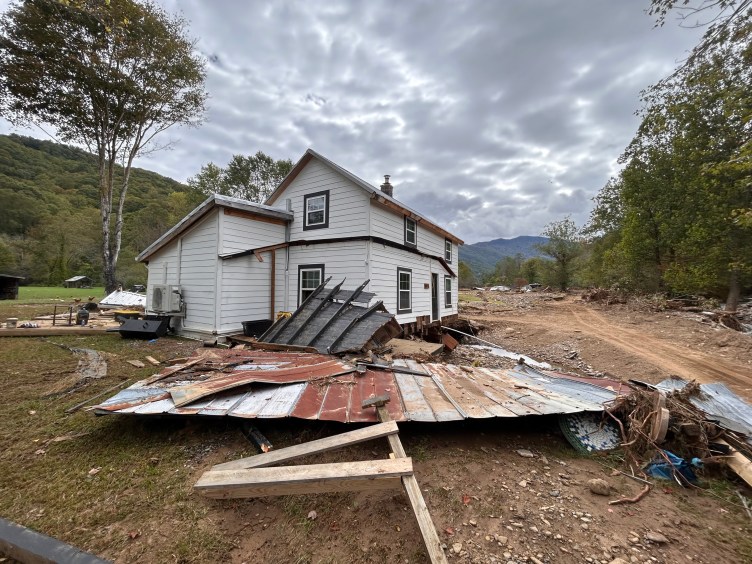
Struggles for Aid After Disaster
A year following Hurricane Helene, many people still deal with the aftermath. The Federal Emergency Management Agency (FEMA) offered assistance to those who lost homes, including the Hills family in North Carolina. Despite various hurdles, they received nearly $40,000 from FEMA, close to the maximum for repair and rebuilding. However, some others faced issues like withdrawn applications or clerical errors that hampered their aid.
Income Disparities in FEMA Assistance
An investigation revealed income disparities in FEMA’s housing aid during Helene. In rural counties like Yancey, higher-income households received significantly more assistance compared to lower-income ones. In theory, aid from FEMA should not be influenced by income levels. Nevertheless, wealthier residents seem to navigate the application process more successfully, often because they have more time and resources.
“Disasters pull back the curtain on inequity,” said Sarah Labowitz, who studies disaster responses.
Barriers in the Application Process
FEMA’s application system can be particularly challenging for those with limited resources. The process requires navigating complex documentation and can feel overwhelming for those with fewer means. Rural and poorer communities often receive less aid due to these barriers.
Real-World Examples
The Hills managed to secure FEMA aid and began rebuilding, though it took considerable effort. On the other hand, the Parkers, another impacted family, faced severe challenges accessing aid. With previous reconstruction experience after Tropical Storm Fred, they hesitated to rebuild again after Helene without sufficient support.
Challenges and Changes in FEMA’s System
Improving access to FEMA assistance has been an ongoing challenge. Until 2024, efforts were made to simplify the application process. Nonetheless, staff cuts under the Trump administration disrupted these efforts, reducing the team working on system improvements significantly.
Hope and Ongoing Struggles
One year later, hope appears for some, with rebuilding efforts visible in places like the Hills’ home. Yet, others like Michelle Parker still face uncertain futures, struggling to secure funds for permanent housing. She credits community support for helping her through the year, but the journey to permanent housing remains fraught with challenges.