
Long Delays in Home Rebuilding
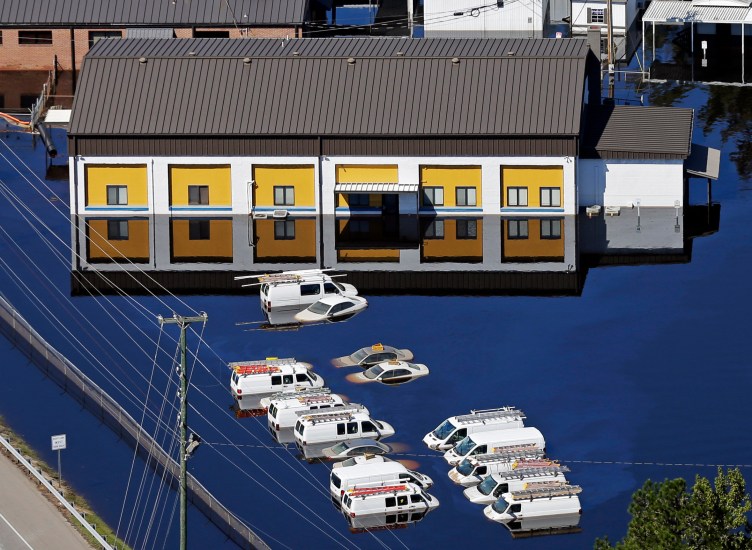
A report highlights the lengthy wait times for families affected by Hurricanes Florence and Matthew under North Carolina’s home rebuilding initiatives. Many families waited over seven years to return to their homes due to administrative challenges.
Program Challenges
The rebuilding programs faced difficulties in tracking expenses and holding contractors accountable for delays. This led to the introduction of a new program for Hurricane Helene recovery, aiming to learn from past errors.
“It’s like being in jail,” said Willa Mae James, reflecting on her housing plight.
Current Situation
Roughly 5,000 homeowners still await state assistance following Hurricane Helene. Issues such as inflexible rules and staffing shortages persist. Renew NC, a new initiative launched by Governor Josh Stein, aims to address these challenges.
Early Efforts Under Renew NC
Launched in June, Renew NC has completed work on only 16 out of 2,700 planned home repairs. Despite reforms, issues from the previous program, such as contractor accountability and rigid procedures, are still evident.
Background and Complications
The earlier program, ReBuild NC, was intended to assist low- and moderate-income homeowners with repairs. Reports revealed financial mismanagement and a lack of contractor oversight, leading to heightened costs and delays.
The struggles included inadequate local government support and an overwhelmed administrative process. Consequently, the response to both hurricanes was labeled a ‘disaster’ by State Auditor Dave Boliek.
Despite the challenges, officials remain committed to resolving these issues and serving those affected by the hurricanes.
New Program Ambitions and Reactions
Renew NC underlines the necessity for stricter contractor scrutiny and better financial oversight. While efforts for a more efficient program are underway, similar rigidities in application processes are emerging.
On-The-Ground Impact and Personal Stories
Many homeowners continue to experience lengthy wait times for basic repairs. Stories like that of Kath Durand, whose home repair process was fraught with miscommunications and setbacks, illustrate the broader systemic failures.
Durand, along with other homeowners, contends with delays that complicate return timelines and lead to additional hardships.
Institutional Reforms and Future Challenges
Efforts to prevent similar setbacks in the future include relocating program offices to disaster-affected areas and unified management of construction and relocation services to improve coordination.
Despite reforms, concerns remain over limited support for temporary housing costs, placing financial burdens on affected homeowners.
Stories like Chuck Brodsky’s highlight ongoing inadequacies. His home, perched precariously after landslides, faces costly repair options not fully covered by the current program framework.