
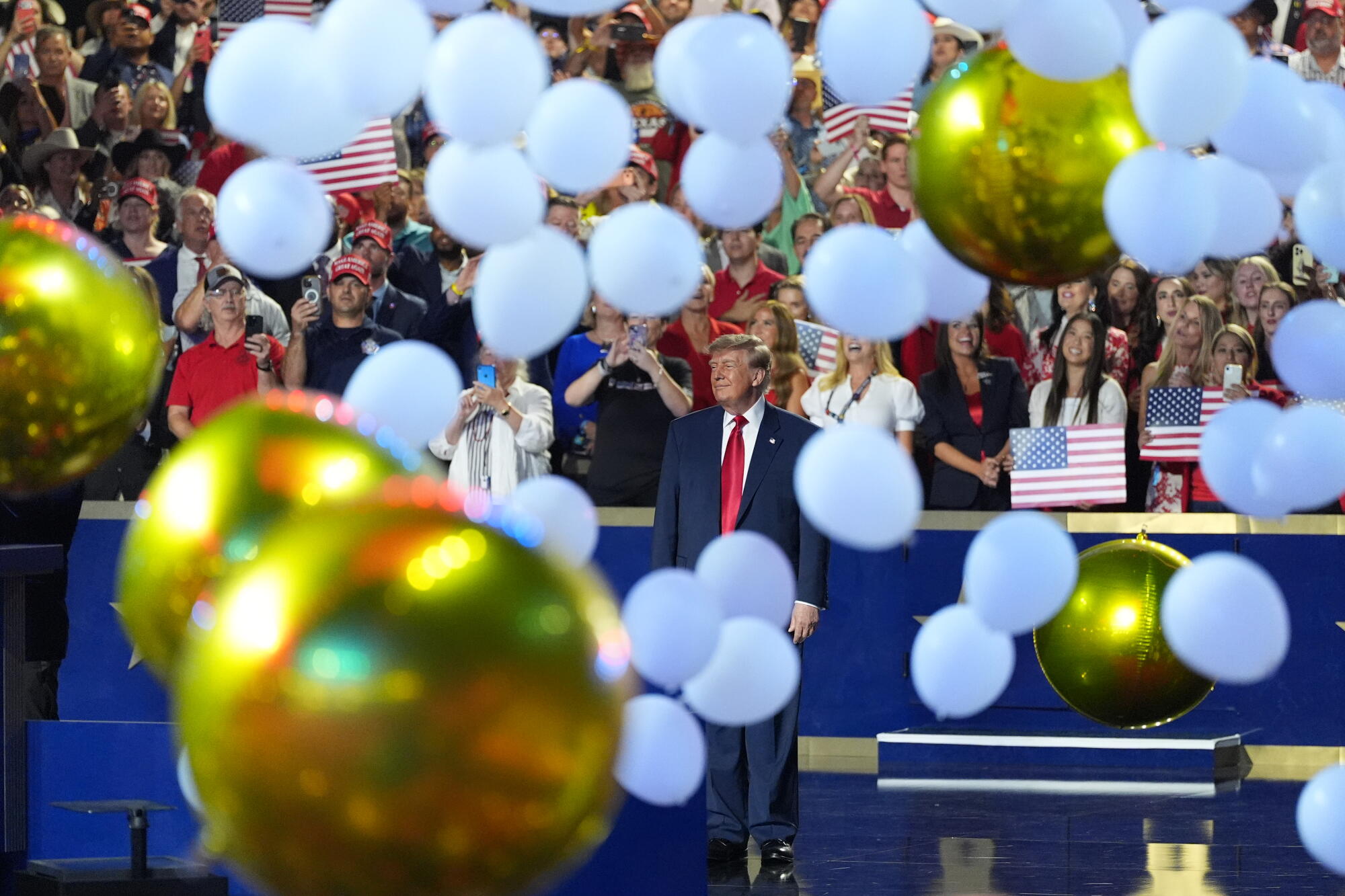
In the lead-up to the November elections, President Trump has urged supporters to vote as if he were on the ballot. However, California Republicans in close congressional races are taking a different approach. These candidates are keeping a strategic distance from Trump, particularly as they navigate through challenging political environments.
Campaign Strategies Diverge
California Republicans running in the most competitive U.S. House races, along with a Republican contesting a fellow party member, are focusing on local and state issues. This is in stark contrast to Trump’s strategy, highlighted at the Dallas midterm convention. Instead of attending the convention, some candidates are modifying their campaign tactics by removing references to Trump from their materials. A strong emphasis on localized messaging is evident.
You’ve got to do me the biggest favor you’ve ever done me. You’ve got to do this for me: You have to pretend I am on the ticket.
These words from Trump underscore his approach to the elections, viewing them as a demonstration of loyalty. At the same time, the need to appeal to swing voters and independents in the redrawn California districts is crucial for Republican candidates. Proposition 50 reshaped the congressional landscape, making it more favorable for Democrats and nudging Republicans to attract unaffiliated voters and moderate Democrats.
Facing Election Challenges
The midterm elections present usual challenges for the party in power. California Republicans are particularly concerned due to Trump’s declining approval ratings and public dissatisfaction over issues like the economy and international tensions. Polls reveal that these factors heavily influence voter sentiment.
Trump has continued to support AI advancement, despite backlash concerning its impact. Additionally, he proposed a $5,000 payment to adults if Republicans secure key victories, a move that has drawn internal criticism.
Data shows Republican candidates mentioning Trump less frequently. Skipping his convention and addressing critical issues without his direct involvement are tactics some are using to resonate with their electorate. A recent survey highlighted a preference among independents for Democratic candidates in numerous districts.
Local Issues Take Center Stage
Orange County Representative Young Kim and others are realigning campaign strategies to focus on regional dynamics rather than national themes tied to Trump. For example, Kim removed “America first” branding from her materials. Similar actions are seen with James Gallagher, who has omitted Trump’s endorsement from campaign platforms.
David Valadao, Kevin Lincoln, and Jim Desmond are also prioritizing regional appeal. Their campaign visuals are crafted to reflect local concerns over aggressive partisan politics. The absence of these candidates from Trump’s event aligned with a strategic choice to harness local issues affecting their constituents.
Robust campaigns in California are leveraging concerns over cost of living, tying these to Democratic policies, while suggesting Democrats focus significantly on Trump rather than offering viable solutions.
Political consultant Mike Madrid notes this distancing from Trump is indicative of shifts within party lines. The repeated absence of Trump-themed messaging underscores a cautious stance taken by candidates familiar with area-specific contexts.
Vice President JD Vance acknowledges the need for persistence and time to continue Republican policy objectives. His appeal to voters highlights an intriguing dynamic as the elections approach.