
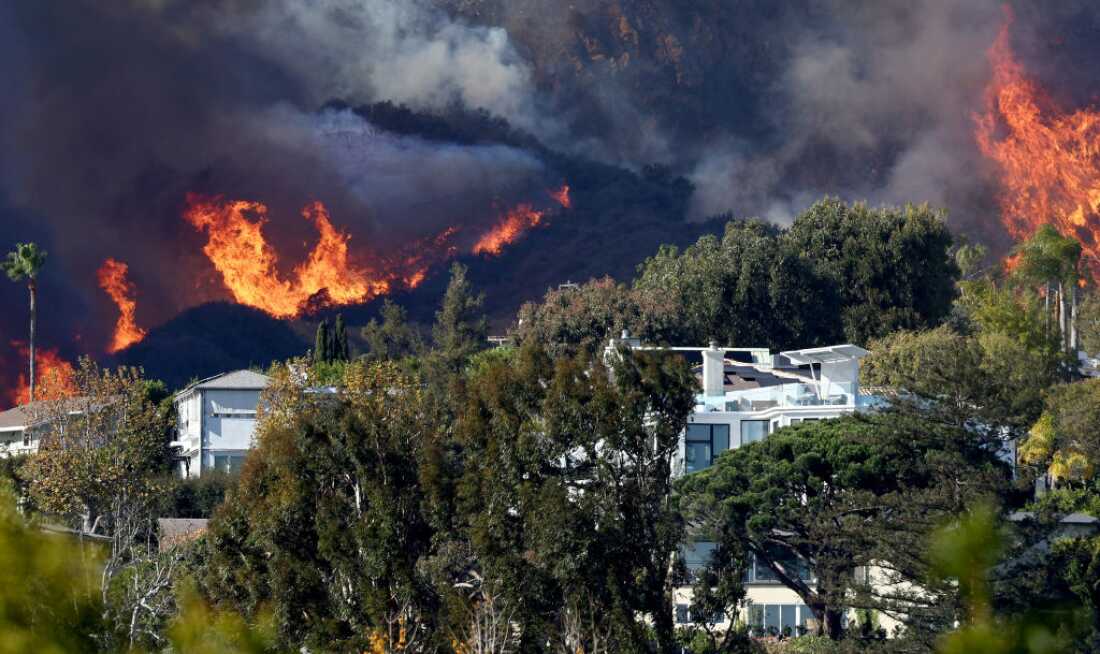
Wildfire experts have identified that homes with dense vegetation face a higher risk of ignition, as observed in the Palisades Fire of 2025. New regulations in California mandate homeowners to manage plants within five feet of their homes. This is part of a broader effort to protect communities from wildfires.
As severe wildfires impact the Western U.S., California now has the strictest regulations in the nation for wildfire protection. Homeowners in areas prone to wildfires must limit plants close to their homes. Experts emphasize that dry, dense vegetation can facilitate wildfire spread. High winds often carry burning embers far beyond the fire, sparking new flames when they contact vegetation, endangering nearby buildings.
After extensive debate and delays, the California Board of Forestry and Fire Protection voted on new regulations. The initial proposal to restrict all vegetation within five feet of a home, aside from well-maintained trees, met resistance. Residents were concerned about losing garden greenery and increased maintenance costs. Regulators reached a compromise, allowing lawns, flowers, and non-woody plants under 18 inches tall, provided they are not under a home’s roofline. Trees are permitted if branches are trimmed five feet from the structure.
These rules take immediate effect for new constructions and will gradually apply to nearly 2 million homes in high-risk areas. Rising temperatures from climate change contribute to more frequent extreme wildfires. Over 57,000 homes and buildings in California have been destroyed over the past decade.
“California’s faced an existential crisis affecting our health and financial stability, especially related to housing and insurance,” stated Yana Valachovic of the University of California Cooperative Extension during a hearing.
Western States’ Growing Tensions
The debate in California mirrors growing concerns across the Western U.S. about wildfire preparedness. Experts warn that fires originating in wilderness areas can rapidly transform into urban ones, devastating neighborhoods previously considered safe.
This summer, more than 800 homes were lost in Spokane, Washington, due to wildfires spreading through densely populated areas. Homeowners from several states argue that wildfire regulations encroach on property rights, reduce wildlife habitats, and impose significant financial burdens.
“You are about to impose regulations costing California homeowners billions,” testified Dave Lefkowitz, president of the Mandeville Canyon Association.
In Oregon and Washington, similar proposals were defeated. Misinformation and calls for more scientific research contributed to the pushback. Research indicates that even green plants can ignite in extreme conditions, emphasizing that vegetation near homes increases risk. Maintaining defensible space around structures aids firefighters in defense efforts.
California’s Wildfire Policy Leadership
California has led in wildfire policy, setting examples for others. Its building codes have required fire-resistant materials for nearly two decades, with some states following suit. Although no solution guarantees home survival in fires, combining resilient building materials and vegetation management offers the strongest protection.
Voluntary actions have proven insufficient, prompting regulators to implement widespread rules. Dense, dry vegetation on one property can endanger neighboring homes. Additionally, California insurers must provide discounts for fire-resistant home modifications.
Enforcement and Future Compliance
While the new rules offer homeowners more flexibility, some wildfire experts consider them inadequate because any combustible material near a house could pose a threat. Local fire departments and state agencies will enforce compliance through annual inspections, focusing initially on education.
“A clean Zone Zero is a five-minute inspection,” said Todd Lando from the Central Marin Fire Department, explaining its simplicity for homeowners. However, conditional judgments during inspections may complicate compliance, affecting education strategies for homeowners.
The new rules for existing homes will be implemented by 2029 at the earliest, allowing time for adaptation and compliance.