
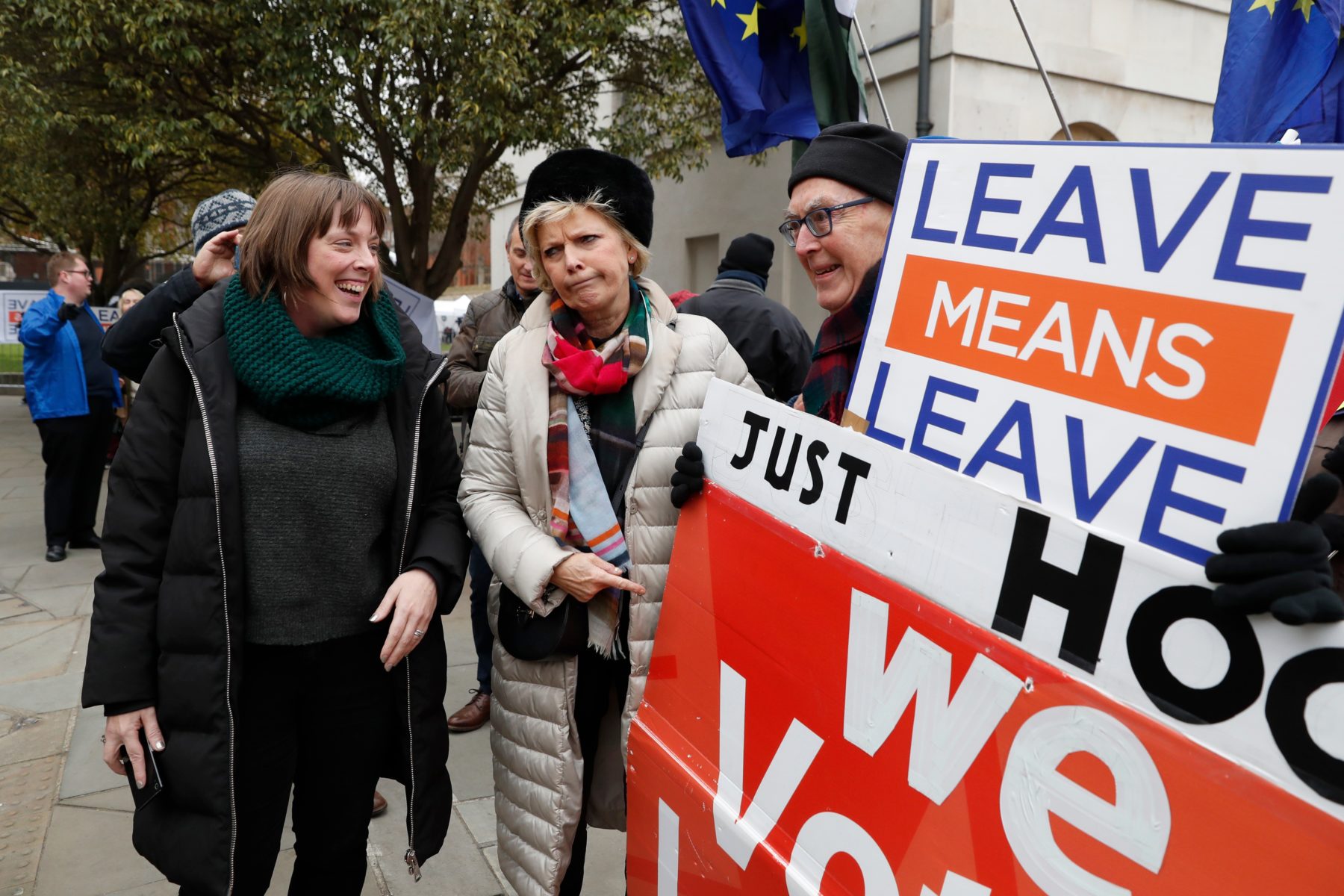
Brexit has left a lasting impact on the European Union and British politics. Since the decision to leave the EU on June 23, 2016, the UK has seen six prime ministers come and go. David Cameron, the Conservative PM who initiated the referendum, resigned immediately after the vote, which favored leaving the EU by 52% to 48%.
The consequences of Brexit have been a challenge for all his successors. Labour Prime Minister Keir Starmer recently announced his resignation after two years, citing a faltering economy and governmental issues, factors all tied to Brexit.
The Lingering Effects of Brexit
Even though Brexit no longer dominates news, its effects continue to influence British politics. Academics, like Chris Grey, point out that Brexit’s influence endures, contributing to the country’s political instability.
The Promise of Taking Control
Brexit campaigners promised that exiting the EU would allow the UK to regain control over its laws, economy, and borders. The ‘leave’ campaign focused on emotional appeals, whereas the ‘remain’ side highlighted potential economic challenges. Boris Johnson, former prime minister and leading Brexit figure, famously described unseen opportunities, comparing them to ‘sunlit meadows.’
Historian Margaret MacMillan noted that the Brexit sentiment stemmed from nostalgia and concerns over immigration and EU regulations without a clear outline of what Brexit entailed.
The Reality of Making Brexit Work
The UK faced difficulties implementing Brexit promises like immigration control and trade deals. Negotiations were contentious and extended, with the UK officially leaving the EU on January 31, 2020, followed by a transition period.
Theresa May attempted to negotiate exit terms but resigned in 2019 due to lack of support. Boris Johnson managed a limited trade deal, but his tenure ended under the weight of scandals. Liz Truss briefly succeeded him before Rishi Sunak took over, improving EU relations without major concessions.
Political Fragmentation
The political landscape has been altered, with factions within the Conservative and Labour parties showing differing stances on Europe. Historian Anthony Seldon observed that Cameron’s referendum intended to resolve party disputes but only intensified them. Political parties face division on the EU stance, and voters are shifting towards alternative parties like the Green Party and Nigel Farage’s Reform UK.
Impact on Economy and Society
The UK’s economy has faced challenges beyond Brexit, including the pandemic and geopolitical tensions. Think tank director Hannah White remarked on politicians’ failure to communicate an honest outlook on taxes, debt, and public services, leading to public disillusionment.
Despite a rise in net migration after Brexit, debates over immigration persist. Incidents of street violence have raised concerns about political discourse and social boundaries eroding.
The Brexiteer’s Regret
Polls indicate some ‘Bregret,’ with many in the UK favoring rejoining the EU. A recent Ipsos survey showed 52% support for rejoining, although Brexit remains a contentious and complicated issue.
Despite Brexit’s challenges, the UK has yet to fully address its ramifications. Chris Grey likened the situation to a chronic condition lacking proactive treatment, indicating ongoing issues that the country must eventually confront.