
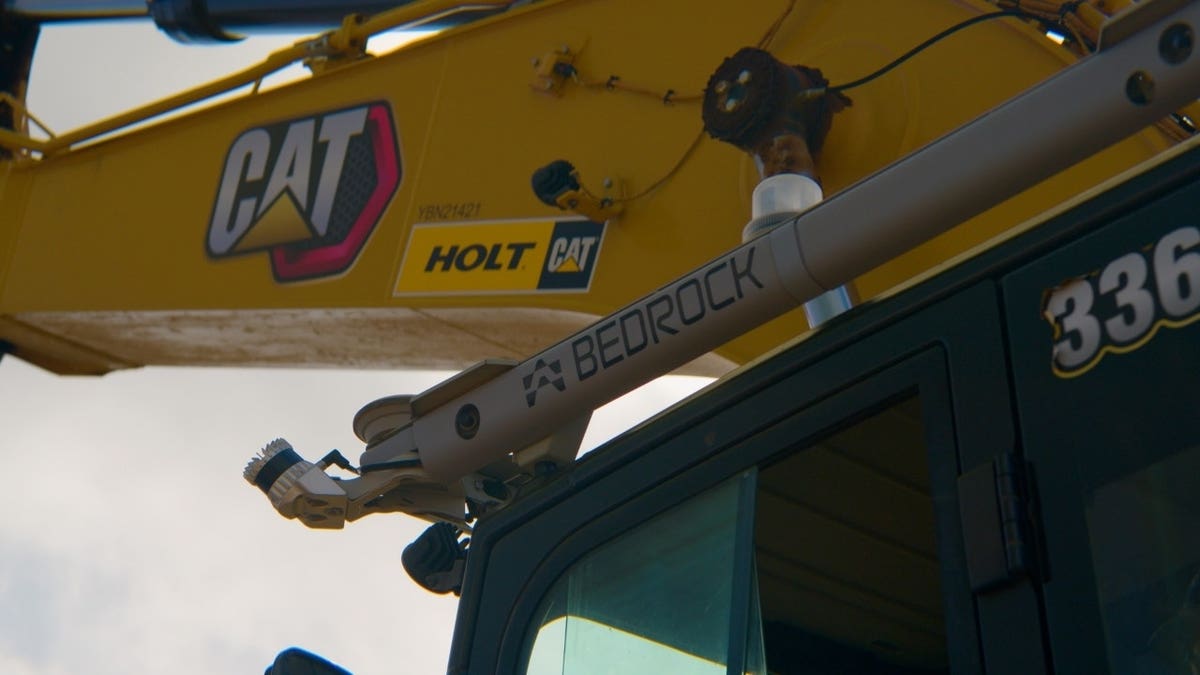
If you’ve ever watched an excavator at a construction site, you likely assumed a skilled operator was at the controls. However, in parts of Texas and Nevada, some excavators operate autonomously with no one inside. Bedrock Robotics, a company based in San Francisco, has developed autonomous excavators for real commercial projects. This follows a year of testing under human supervision.
Impact of AI on Construction Sites
AI handling software tasks is one thing, but watching it manage a large excavator feels different. Bedrock claims this technology helps address worker shortages and improve project efficiency. Their autonomous excavators are already being used in significant infrastructure projects.
Bedrock’s excavators operate at a Nevada water treatment facility and perform large-scale earthwork in Texas. Additionally, they handle a 1.2 million-cubic-yard project with Zachry Construction Corporation.
The focus is on initial earthmoving and foundation tasks. According to Bedrock, these are critical since delays here can impact the entire project timeline.
Productivity and Deployment Methodology
Productivity is measured by the cubic yards of earth moved per shift. A Bedrock representative stated that by August 2026, the excavators’ productivity was nearing that of human operators.
The system, known as the Bedrock Operator, can be retrofitted onto existing equipment. This installation takes about a day and doesn’t require permanent machinery alteration. After initial setup by a site manager, the software manages the excavation work.
Safety and Human Oversight
Safety is a primary focus for Bedrock as it deploys autonomous technology. The systems are designed to halt if something unexpected is detected in their path. Human oversight remains essential. While interventions are rare, they occur when unfamiliar situations arise.
Bedrock’s machines can feature automated safety responses, stopping if objects or people get too close until the area clears.
Chosen Path: Excavators and Their Complexity
Excavators were selected because they represent a substantial portion of a contractor’s equipment and require years of expertise to operate proficiently. By using autonomous machines, repetitive tasks can be automated, allowing skilled operators to focus on detailed work or oversee operations.
Addressing Industry Worker Shortages
The construction industry faces a growing shortage of skilled workers, with many workers nearing retirement age. This shortage, alongside high project demand, highlights the potential role of autonomous machines in maintaining project timelines.
Despite automation, Bedrock sees a future where operators still play an essential role, such as supervisors managing autonomous machines or focusing on intricate tasks.
Future Developments and Coordination
Bedrock envisions multiple machines working in tandem. The goal is for software to coordinate machines like excavators, bulldozers, and trucks to streamline project scheduling and execution. While this is still in development, Bedrock continues to expand task capabilities and deployment.
With the increased presence of autonomous equipment, safety, and productivity in real-world scenarios remain key elements for assessment.
Implications for Construction Projects
Autonomous equipment might speed up construction timelines, improving housing, road, and infrastructure projects. By working alongside humans rather than replacing them, these machines could support existing crews and aid in repetitive tasks.
Bedrock’s approach of using autonomous equipment alongside human oversight might create new roles, like machine foremen, allowing skilled workers to continue playing crucial roles in construction projects.