
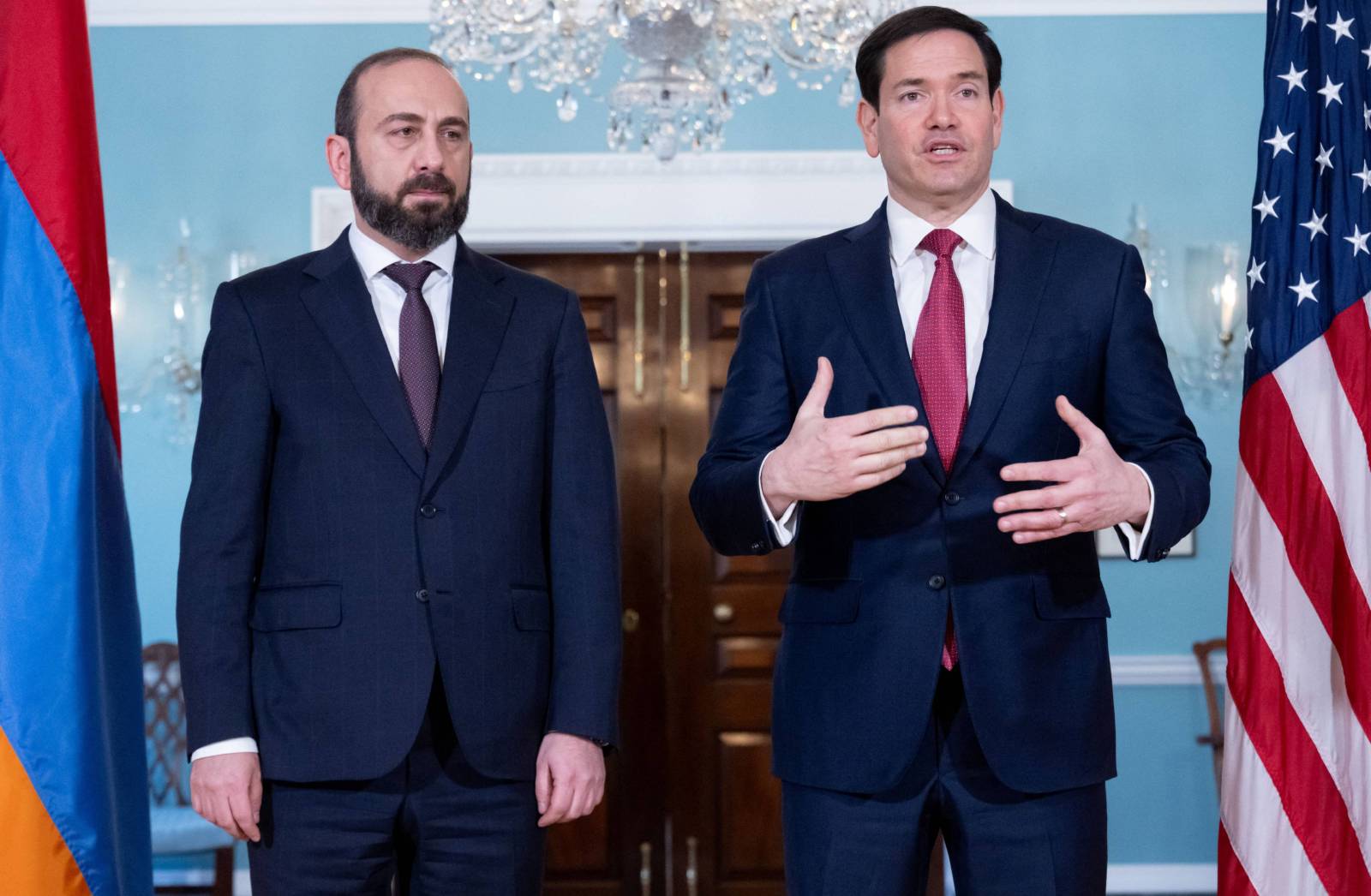
Armenia conducted a parliamentary election on June 7, a significant event viewed as a referendum on the nation’s geopolitical decisions. Armenia’s shift toward a Western orientation signals a move away from heavy reliance on Moscow, seeking broader partnerships with Europe and the United States. This move reflects a nationwide reassessment of strategic alliances.
Evidence of this new strategy can be seen in the recent changes. The European Union summit held on May 4 in Armenia emphasized the country’s increased importance. It acts as a potential democratic and logistical bridge in the South Caucasus. U.S. Secretary of State Marco Rubio’s visit to Yerevan highlighted this by signing several agreements. These included a strategic partnership and cooperation on critical minerals and a proposed transit corridor linking Azerbaijan to Turkey through Armenia.
These agreements emphasize the South Caucasus region’s growing importance in Western strategic planning. Europe and the United States look for new routes that avoid Russia and Iran, making Armenia a crucial partner. As a result, Armenia has diversified its partnerships, hosted Western leaders, and lessened its dependence on Russia. A country once seen as isolated is now looking outward with newfound confidence.
This transformation, however, came with significant sacrifices. Armenia paid the price by losing Nagorno-Karabakh, known to Armenians as Artsakh. For decades, this mountainous enclave functioned as a de facto Armenian state. After Azerbaijan’s military assault in September 2023 and a nine-month blockade, the enclave collapsed. Over 120,000 ethnic Armenians fled to Armenia, fearing persecution under Azerbaijani rule. This led to the vanishing of one of the oldest Armenian communities overnight.
The trauma remains for many Armenians. The global focus shifted rapidly from their plight. Attention turned to the Middle East after conflicts involving Hamas and Israel. In the South Caucasus, the focus moved towards infrastructure deals and regional relations. Refugees carry stories of lost homes, cemeteries, and churches. While they received sympathy, they found little justice or compensation.
Another issue threatens Armenia’s progress with Azerbaijan and Western integration: the imprisonment of former Artsakh officials in Azerbaijan. Among them is Ruben Vardanyan, sentenced to 20 years in prison. These individuals are seen by Azerbaijan as criminals, but Armenians see them as political prisoners. Their detention complicates the reconciliation process, as many Armenians feel that concessions made by Armenia are not balanced by Azerbaijan.
International attention on these prisoners is limited, even as Azerbaijan seeks legitimacy and Western commercial ties. The recent diplomatic moves give Europe and the U.S. leverage they haven’t used. Rubio’s recent visit to Yerevan reflects a significant geopolitical shift in the region.
Azerbaijan desires stability, investment, and recognition as a central transit hub. Armenia seeks security and Western support amidst pressures from Russia. The region is closer to reordering based on connectivity rather than conflict. Now is the moment for the West to insist on resolving the prisoner issue as part of the broader settlement.
Western governments endorse Armenia’s democratic path and willingness to compromise post-defeat. They should now emphasize that regional integration requires obligations from all, including Azerbaijan. Releasing Artsakh’s political detainees should become central in negotiations. This step would strengthen moderates in Armenia. It would show that the U.S. partnership with Armenia is principled, not merely transactional.
Proving that diplomacy can protect dignity even after devastating losses is vital. It counters the idea that Armenia shoulders sacrifices while power goes unchecked globally. Alternative approaches risk long-term instability. Peace agreements based on mere expediency rather than moral legitimacy tend not to endure. True peace in the South Caucasus requires justice as much as infrastructure. The situation of Artsakh prisoners is the clearest test of this principle.
Grigor Hovhannissian is Armenia’s former ambassador to the U.S. and Mexico and a former deputy foreign minister. The views in this article reflect those of the author.