
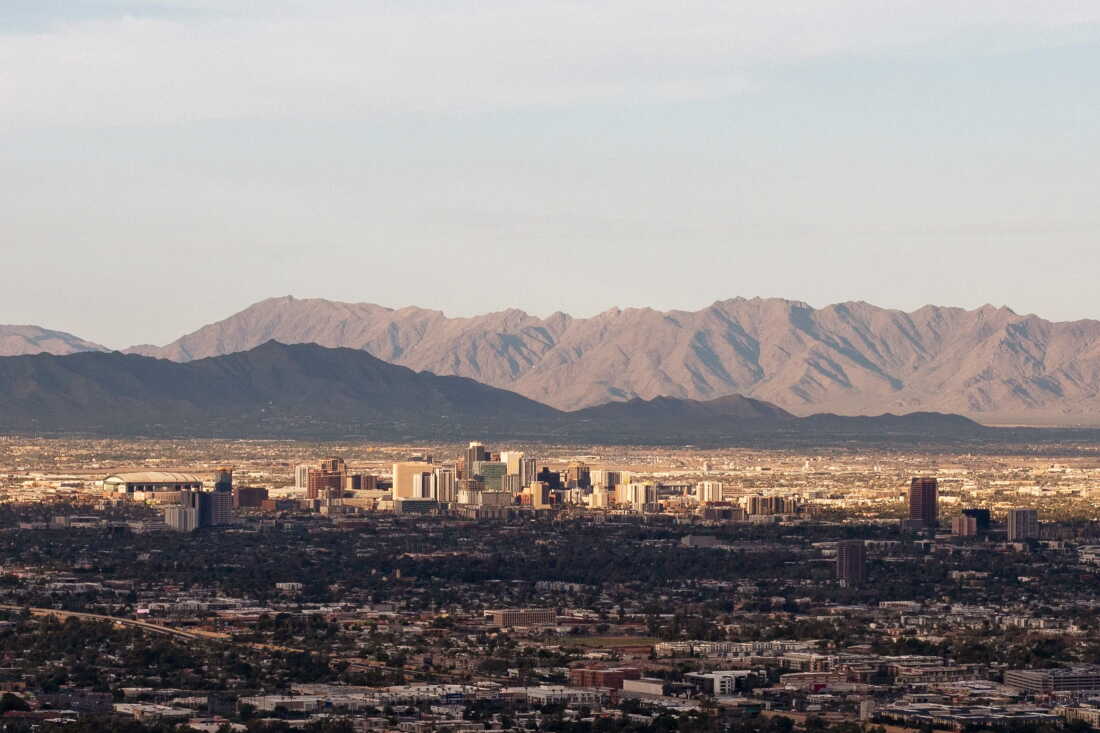
Arizona faces a severe heat crisis, with many of the state’s residents dying annually from heat-related causes. A significant number of those at risk live in manufactured homes, such as mobile homes and trailers. An NPR investigation reveals that heat-related deaths in the U.S. are often underreported, with thousands more deaths than official statistics suggest. This issue is particularly acute in Arizona.
High Risk for Manufactured Home Residents
Patricia Solis, a geographer at Arizona State University, focuses on identifying who is most at risk and why. Through her research, Solis discovered that the risk of heat-related deaths is six to eight times higher for mobile home residents in Maricopa County compared to those in traditional housing. This observation highlights a significant risk factor tied to housing type.
The Reality of Arizona’s Heat
The Sonoran Desert surrounds the cities of Phoenix and Tucson, leading to extreme temperatures. Climate change exacerbates conditions, making these areas hotter. Some cities have taken steps like starting construction at 5 a.m. to protect workers from peak temperatures.
Case Study: Sheri Petty
Sheri Petty lived in a blue trailer with her daughter Tara and granddaughter on Tucson’s outskirts. Despite efforts to stay cool with window AC units and a swamp cooler, a breakdown in their cooling systems during a heatwave had deadly consequences. Petty’s inability to afford repairs or access timely assistance led to her tragic death from heat exposure.
The Condition of Manufactured Homes
A significant portion of manufactured homes in Pima County predates 1976, when updated federal building regulations aimed at energy efficiency were enacted. These older homes often have inadequate insulation and outdated electrical systems, complicating efforts to maintain a cool living environment. The situation is exacerbated by a lack of shade and green spaces in many mobile home communities.
Financial and Structural Challenges
Many residents of mobile home parks face prohibitively high electric bills due to inefficient cooling options and complex billing practices. Additionally, the common structure of owning a manufactured home but leasing the land complicates financing for improvements. This situation can deter significant investments in home upgrades.
Efforts to Address the Crisis
Officials in Arizona are starting to tackle these issues. Tucson and Pima County, along with various nonprofits, offer programs to enhance homes with improved insulation and more efficient cooling systems. However, these programs often reach capacity quickly, and there is a need for broader, scalable solutions.
Advocacy and Education
Efforts include advocating for residents’ rights to modify their homes with shade sails or window AC units. Educational campaigns also aim to raise awareness about heat risks and available resources. Mark Kear, a geographer at the University of Arizona, suggests shifting attention to the dangers present inside homes rather than solely focusing on outdoor conditions.
These combined efforts aim to prevent tragedies like Sheri Petty’s and better protect residents living in manufactured homes from extreme heat.