
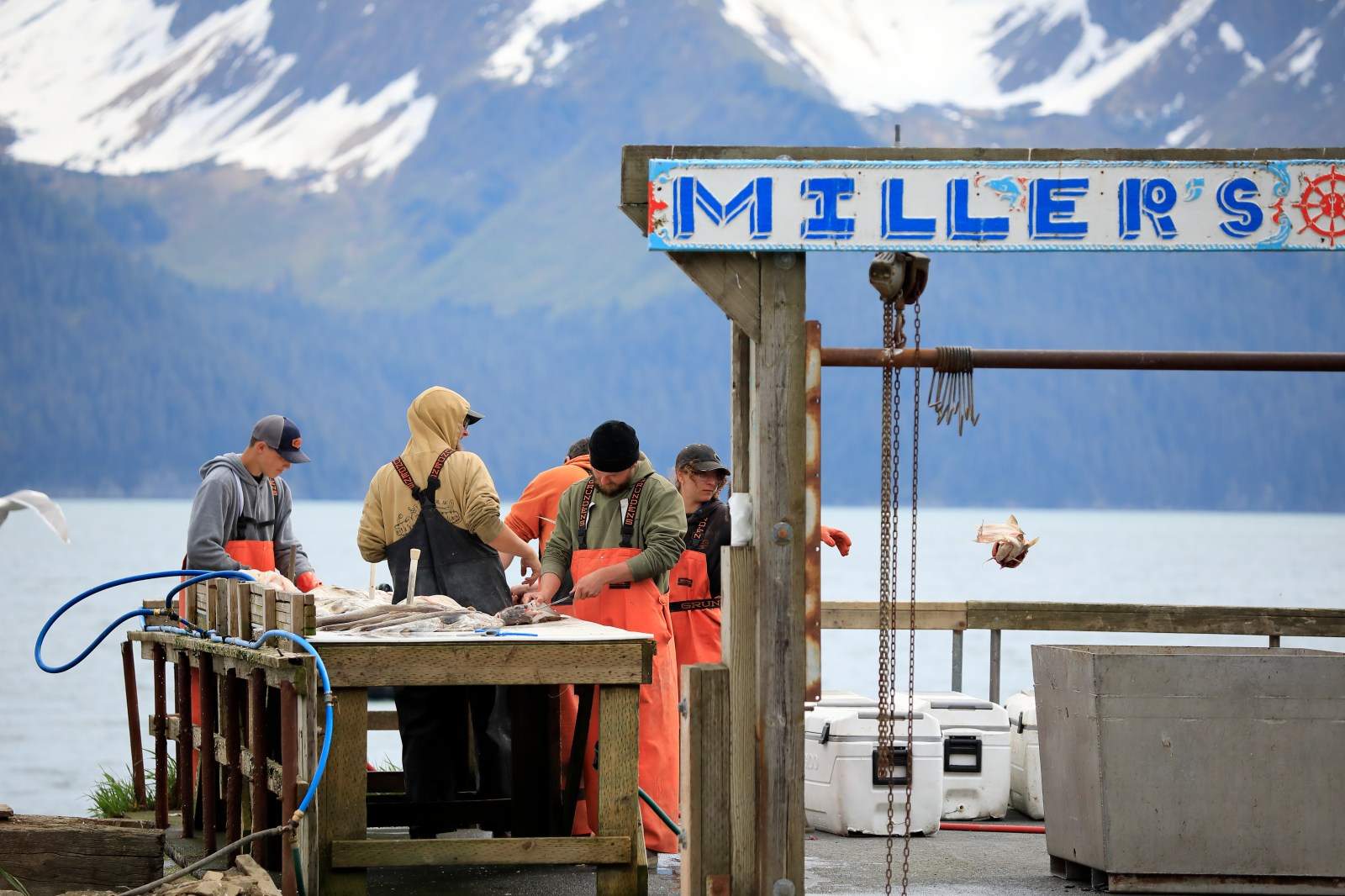
Alaska’s midterm voters are engaged in a unique debate, focusing on issues deeply intertwined with the state’s identity—salmon runs, bycatch limits, and the fishing industry’s future. These concerns play a significant role in the potential electoral outcome, where Democrat Mary Peltola seeks to unseat Republican incumbent Dan Sullivan.
Key Political Dynamics
Nationally, Democrats have limited chances to flip Republican-held Senate seats in 2026, with Alaska being a crucial battleground. The state has not elected a Democrat to the Senate since 2008. Unlike many regions, Alaska’s political dynamics are influenced by its distinctive voter composition and ranked-choice voting system.
Aubrey Wieber, executive director of the 907 Initiative, explained that Alaskans face elevated living costs, aggravated by the state’s logistical challenges.
He emphasized that while similar economic issues persist nationwide, Alaska has a notable secondary issue—trawl bycatch, which has been a longstanding concern within fishing communities.
The Importance of Fishing in Alaska
Fishing is a vital industry for Alaska, significantly impacting the state economy. It supports diverse sectors, from commercial fishing to coastal communities. Unlike oil, fishing is dispersed across many areas, including Bristol Bay, Kodiak, and Prince William Sound.
Wieber highlighted Alaska’s cultural connection to salmon as both a food source and an identity, particularly in remote regions where traditional food choices are limited.
Despite this connection, salmon stocks have shown fluctuations, with both environmental changes and actions by large commercial trawlers from outside the state contributing to the decline.
Matt Alward of the United Fishermen of Alaska noted the impact of misinformation during the election campaign, attributing stock declines to changing environmental conditions rather than solely to trawl fisheries.
Campaign Stances on Fishing
The fishing industry is central to both Sullivan’s and Peltola’s campaigns, although their approaches differ significantly. Peltola focuses on the damage caused by out-of-state trawlers, advocating for stricter controls and greater tribal involvement in management.
Peltola emphasizes, “Strong fisheries are the lifeblood of our economy, communities, and families.”
Conversely, Sullivan stresses his track record in achieving results for Alaskan fishermen, underscoring the need for enhanced scientific monitoring of the industry. He introduced the Bycatch Reduction Act, aiming to minimize environmental impacts and address international seafood trade concerns.
Alward acknowledged Sullivan’s efforts to improve access to federal assistance for the seafood sector, highlighting the establishment of the Office of Seafood at the USDA.
Impact of Fishing on Election Outcomes
Given Alaska’s prioritization of fishing issues, Senate control may hinge on a topic unfamiliar to many Americans. The importance of fishing resonates strongly with state voters, reflected in significant support for banning trawling off Alaska’s coast.
Wieber stressed the issue’s prominence, saying, “Now, the bandwagon is jam-packed. Every candidate wants to talk about trawling, because it’s what everyday Alaskans care about.”
He pointed out Sullivan’s evolving position on the issue, acknowledging its centrality to Peltola’s campaign strategy.
Ballot Controversy in the Senate Race
A legal complication arose with the presence of two candidates named Dan Sullivan on the ballot. The Department of Justice (DOJ) has filed a lawsuit to address potential voter confusion caused by this situation.
The Trump administration aims to block Alaska from certifying the election results if the incumbent loses, citing the possible influence of this ballot anomaly. An Alaska court had initially ruled out excluding the additional candidate, labeling it an attempt to mislead voters.
The outcome of this legal challenge will further impact the tightly contested race, with broader implications for the electoral integrity and transparency in Alaska.