
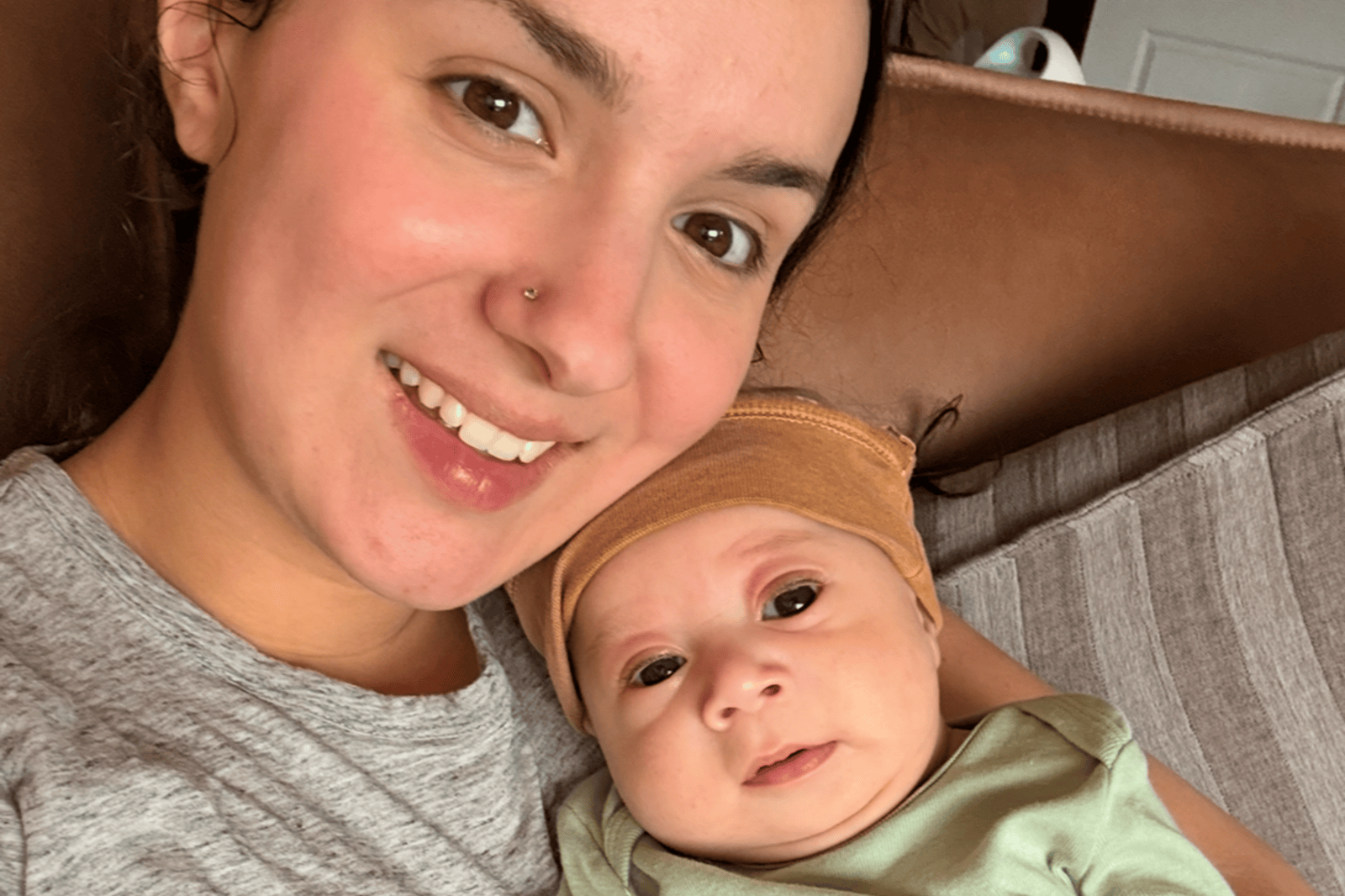
From the moment her son was born, Lauren Musso from Schenectady, New York, sensed something was amiss. Observing her newborn’s movements, concerns had brewed months earlier when a sudden change in his womb movements caught her attention. “Overnight, the strength and frequency of his kicks dropped dramatically and never returned,” she shared with Newsweek. Despite reporting these changes, her concerns faced dismissal as he was meeting minimum kick counts.
During her pregnancy, Musso suffered from severe hyperemesis gravidarum (HG) which led to multiple hospitalizations due to extreme nausea and vomiting. In search of answers, she advocated for an ultrasound which was not routinely offered. After some insistence, a provider agreed, noting they could “make a case for it.” Further scans displayed her baby, Avery, remaining motionless for prolonged periods. Despite these signs, a fetal MRI was scheduled weeks later, with a specialist assuring “99 percent” outcome positivity. Musso recalled, “Those words haunt me.” She had an unsettling feeling that something was catastrophically wrong.
Dr. Jeffrey Chapa, National Medical Director of Maternal-Fetal Medicine at Obtelecare, notes reduced fetal movement is a common pregnancy concern. While often linked to normal factors like sleep cycles or placental placement, it can indicate fetal wellbeing issues needing evaluation. “A maternal-fetal medicine specialist can investigate decreased fetal movement,” Chapa said.
Upon Avery’s birth, he spent time in the neonatal intensive care unit. While showing some improvement, he struggled to gain weight and developed laryngomalacia, a condition affecting his voice box and causing a distinct breathing sound. Despite persistent issues labeled normal, Avery’s health worsened, leading to multiple hospital readmissions. He experienced his first cardiac arrest at a clinic, where his nanny performed CPR.
On this day, Musso recounted her conversation with a neurologist at Avery’s bedside, describing his hand as “limp” and “lifeless,” pleading for a full neurological evaluation. Eventually, a brain MRI revealed multicystic encephalomalacia, a severe form of irreversible brain damage. Although Musso’s concerns were valid, Chapa remarked that diagnosing Avery earlier may not have changed the outcome as severe brain injuries have multiple potential causes.
Seizure activities were identified days prior to Avery’s passing. He spent his final weeks in the pediatric intensive care unit, much of it on a ventilator, and died at 3½-months-old. Musso recalled holding him close, whispering her love, and feeling both sorrow and peace after his last breath.
In the days following Avery’s death, Musso struggled with the surreal experience of transitioning to hospice care just the day before his passing, having little time to process his condition’s reality. The family’s grief deepened upon learning that an autopsy they consented to was not conducted, as Avery’s body was transferred to a funeral home without their knowledge, leaving them without answers and trust shattered.
Avery’s story, branded “Ave the Brave” by his family, serves as a beacon of unconditional love. His short life left lasting impacts on his family, inspiring them to hope medical professionals treat parental concerns seriously. Musso urges the need for compassionate, individualized care and stresses the importance of addressing severe pregnancy sickness like HG.
“Sit with a grieving parent without trying to fix the unfixable,” Musso expressed. “Avery is our deeply loved son. His short life and spirit remain living forces in our lives.” The medical center involved in Avery’s care refrained from commenting, citing patient confidentiality.