
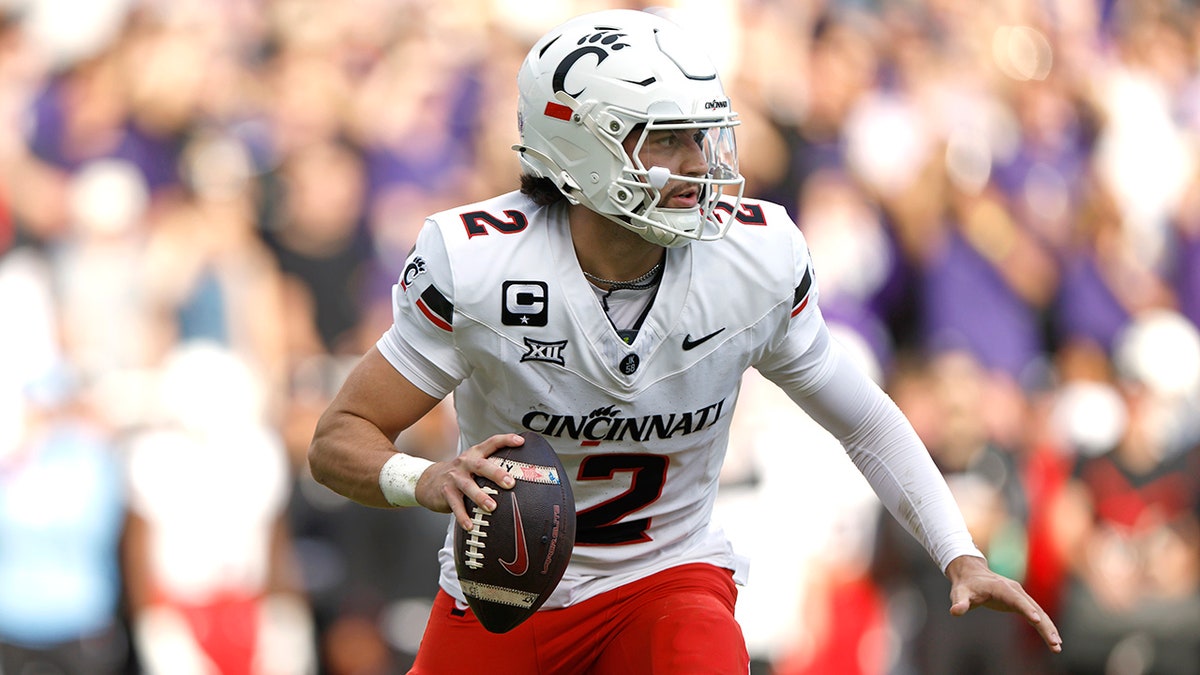
A district court judge in Lubbock, Texas, will consider a motion on Monday that could impact the future of Brendan Sorsby, quarterback for Texas Tech. Sorsby and his legal team are seeking an injunction against the NCAA, hoping to reinstate his eligibility to play despite admitting to significant gambling activities.
The issue arises from Sorsby’s admission of placing bets over four years, including on his own team. These actions have drawn attention across college athletics. Sorsby joined Texas Tech only five months ago, yet, his future with the team is uncertain. His attorneys argue that a doctor from an Arizona rehabilitation center has diagnosed him with a condition that influenced his gambling behavior.
Mr. Sorsby is currently ineligible to play for Texas Tech due to prior violations of the NCAA’s sports gambling rules. Rather than support a student-athlete’s recovery from a gambling addiction, the NCAA has weaponized his condition to shore up a facade of competitive integrity,the complaint read.
Between playing for Indiana, Cincinnati, and Texas Tech, Sorsby bet approximately $90,000, utilizing betting apps like FanDuel and Underdog. He transferred around $60,000 to friends to place bets for him. The NCAA has ruled him ineligible for the 2026 season due to these actions.
Sorsby’s gambling affected his eligibility after placing 2,900 wagers during his time at Indiana. He admitted to betting on his team to win but says he ceased before his Indiana debut. NCAA rules prohibit athletes from betting on sports that feature collegiate championships, a rule Sorsby violated.
The quarterback’s legal team contends that Sorsby’s gambling addiction continued at Texas Tech. The court filing revealed he sent $5,000 to friends who bet on his behalf. Sorsby noted, “Given the money I had and earned from NIL, the total amount of money I made from 2022 to 2025 was not a big deal to me. I never kept track of my betting over time, but I’m pretty sure I lost more than I won.”
Despite the situation, Texas Tech supports Sorsby, advocating for a two-game suspension rather than a career-ending ban. They argue this would not set a bad precedent. The school stated, “By imposing a two-game suspension on Sorsby and allowing him to continue his final season of eligibility, the NCAA would not be creating bad precedent, nor flouting existing precedent.”
Texas Tech and Sorsby’s attorneys argue against a severe punishment, suggesting it would discourage athletes facing mental health issues from seeking help. Though Sorsby did not initially disclose his gambling, a tip to the NCAA triggered the investigation. The decision in this case could have broad ramifications for college sports.