
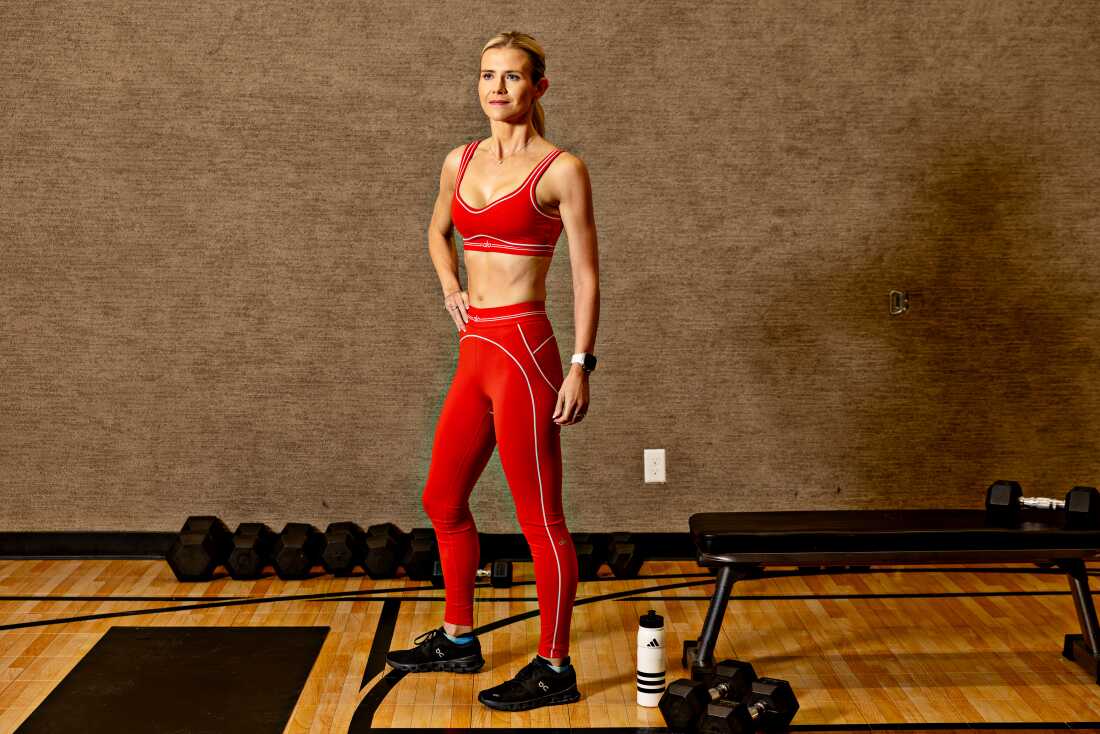
Elizabeth Smart, known for her advocacy for women and victims of sexual violence, has found a new source of confidence: bodybuilding. Smart, who survived a traumatic kidnapping at the age of 14, stepped onto a bodybuilding stage for the first time with fear. Her hands trembled as she struck choreographed poses under bright lights. Wearing costume jewelry and blonde hair extensions, she had a mishap that left her laughing later — her ring caught on the hair, ripping an extension, but she continued with her routine.
For Smart, the journey in bodybuilding isn’t about collecting trophies, despite earning several medals in competitions. It’s about gaining confidence in her body. She emphasizes that she wants to celebrate her body now, free of shame.
A Traumatic Past
In 2002, Smart was abducted at knifepoint by a self-proclaimed prophet from her bedroom in Salt Lake City while she slept next to her sister. A massive search ensued, with her image splashed across media. She was held captive for nine months, surviving abuse and psychological manipulation. Her book, Detours, speaks of trauma as an unexpected path. She clung to memories that connected her to life beyond her captivity.
Smart recalls her body’s resilience, saying it felt crushed but carried her through her ordeal.
Reconnecting with the Body
Developing a positive relationship with one’s body after trauma can take years. Virginia-based therapist Robyn Brickel, who specializes in trauma, explains that victims often disconnect from their bodies to survive abuse. They focus on minute details in their surroundings instead. This disconnection often persists after the trauma ends, with survivors feeling multiple negative emotions towards their bodies.
Smart experienced this disconnection, compounded by her conservative upbringing, which emphasized modesty. She felt intense shame and pressure to embody the ‘innocent victim’ image. Rescued in 2003, she faced the challenge of healing in the public spotlight.
Now, Smart sees her identity evolving. As an advocate, she still surprises herself by stepping onto bodybuilding stages. Licensed therapist Brickel notes this transformation from seeking invisibility to embracing visibility is key for many trauma survivors, who often strive to remain unnoticed.
Embracing Fitness
Smart’s approach to exercise has evolved. Initially, she sporadically ran for fitness. She later pursued marathon running until knee pain compelled her to quit. She turned to bodybuilding for its structure and clear goals.
Research reveals weightlifting aids trauma survivors in reconnecting with their bodies. A recent study in Frontiers in Psychology linked resistance training to diminished PTSD symptoms and enhanced emotional wellness. Brickel cautions, however, that exercise for some survivors can become another form of emotional evasion rather than healing. The intention behind exercise is crucial for it to support recovery.
Smart emphasizes less on perfection and more on being present in her body. She refers to a passage from Jane Eyre about the resilience of the soul, explaining that while her body felt broken, it remained the vessel for her spirit and life. Her body allowed her not only to survive her kidnapping but also to have three children, prompting her to state, ‘My body is incredible.’
Smart, now contemplating another bodybuilding event, looks forward with optimism, determined not just to survive but to thrive. She dreams of enjoying sweet treats from The Great British Bake Off and hopes to continue her journey without being defined solely by her past trauma. Her approach to life is multifaceted, reinforcing that survival does not limit what individuals can become or accomplish.