
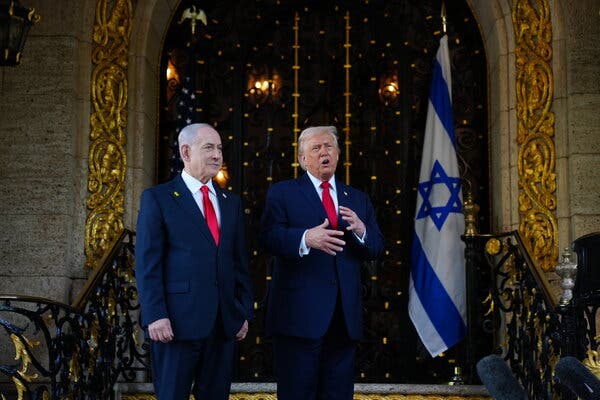
In a recent strategic setback, Israel finds itself excluded from crucial peace talks. This development poses significant risks for Prime Minister Benjamin Netanyahu and his nation.
Earlier this year, before the attack on Iran on February 28, Prime Minister Netanyahu met with President Trump in the Situation Room. He was optimistic, suggesting that a joint U.S.-Israeli assault could potentially lead to the collapse of the Islamic Republic.
However, the situation changed rapidly. Israeli leaders, previously central to discussions, suddenly found themselves on the fringe. According to two Israeli defense officials, the Trump administration largely cut Israel out of the negotiations between the United States and Iran.
Deprived of direct information, Israel relies on regional connections and its own intelligence to understand the dynamics between Washington and Tehran, according to the anonymous officials. This marginalization could have substantial consequences for both the country and Prime Minister Netanyahu, especially as he faces a challenging re-election campaign.
Netanyahu has positioned himself as pivotal in engaging with President Trump, claiming a strong personal rapport. He has publicly stated his frequent communications with Trump, portraying their relationship as a strategic asset for Israel.
The February offensive against Iran aimed to thwart its nuclear ambitions, a longstanding goal of Israel. The initial success, marked by significant damage to Tehran’s governance, raised hopes for even more ambitious outcomes, such as destabilizing the regime.
As Israel navigates this diplomatic exclusion, the country and its leaders must reassess their strategies and alliances to ensure their interests remain safeguarded in the shifting geopolitical landscape.