
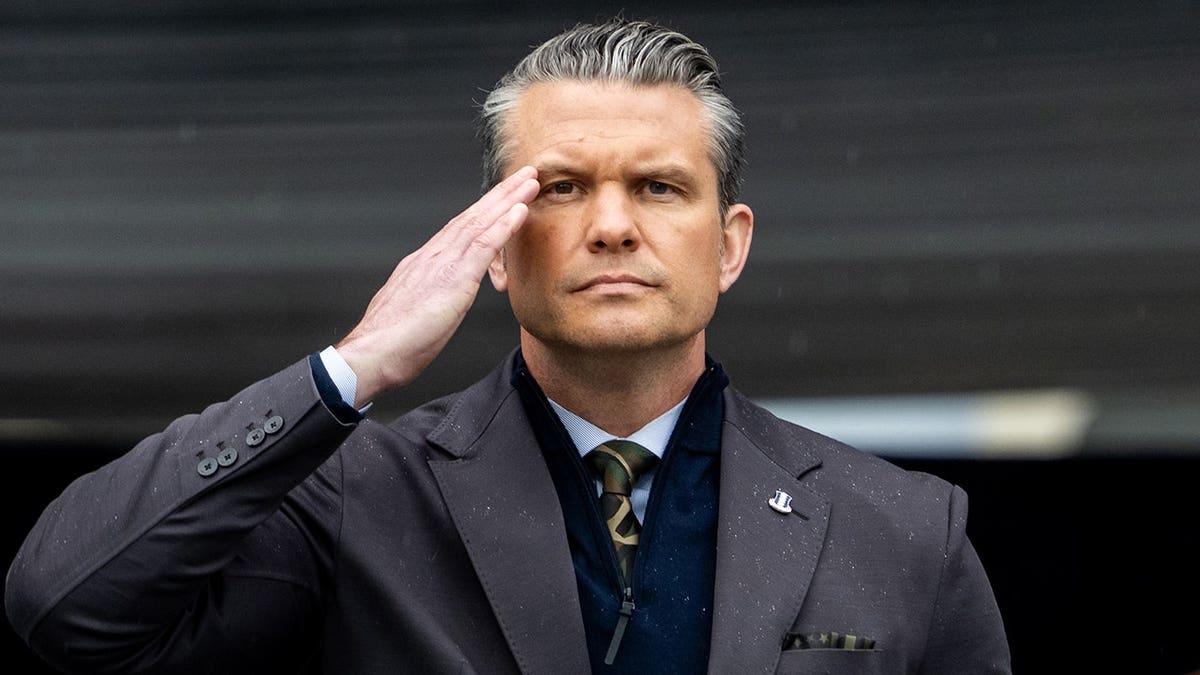
On a rainy Saturday morning, I watched as cadets at the United States Military Academy stepped into the Long Gray Line. This scene evoked memories of my graduation from West Point in 1973. The ceremony included a commencement address that emphasized God, duty, sacrifice, and war. Secretary of War Pete Hegseth delivered the speech.
I first met Pete Hegseth in the summer of 2000 when he was an intern at the Family Research Council, where I served as vice president for policy. He was a Princeton student and impressive in his dedication and faith. Over the years, he became a prominent television personality and served in the Army National Guard, deploying to Iraq and Afghanistan. His background gave him standing among the 994 graduating cadets.
Hegseth delivered an unsanitized speech that acknowledged the reality of their future roles. He quoted Isaiah 6:8: “Whom shall I send, and who will go for us?… Here am I! Send me.” These graduates are more than diploma recipients; they are officers destined to lead soldiers in combat, with some facing immediate deployment to dangerous regions.
Since its founding in 1802 by President Thomas Jefferson, West Point has upheld the mission of producing leaders of character. Its motto — “Duty, Honor, Country” — underscores sacrifice and responsibility. Historically, West Point graduates have served in major conflicts, and those same values continue to be relevant today.
The backdrop of today’s world includes ongoing conflicts and technological shifts in warfare. Hegseth addressed how the military has been distracted by initiatives that neglected readiness. He reinforced the importance of merit and the enduring framework of “Duty, Honor, Country.” The military’s main purpose is to win the nation’s wars, and this message was crucial for the current graduates to hear.
Combat challenges every ideology and calls for moral clarity. As Hegseth noted, officers must make decisions with incomplete information and lead bravely under circumstances that test human limits. One memorable part of his speech involved his own family. He expressed a hope that his son might one day answer the nation’s call.
The ceremony also highlighted the continuous tradition at West Point. As the Cadets sang “The Corps,” I realized the ongoing legacy that each new class joins. Changes in warfare technology require leadership grounded in character, not machines. America’s need is for leaders who comprehend the moral responsibilities of command as they answer the call: “Here am I, Lord. Send me.”