
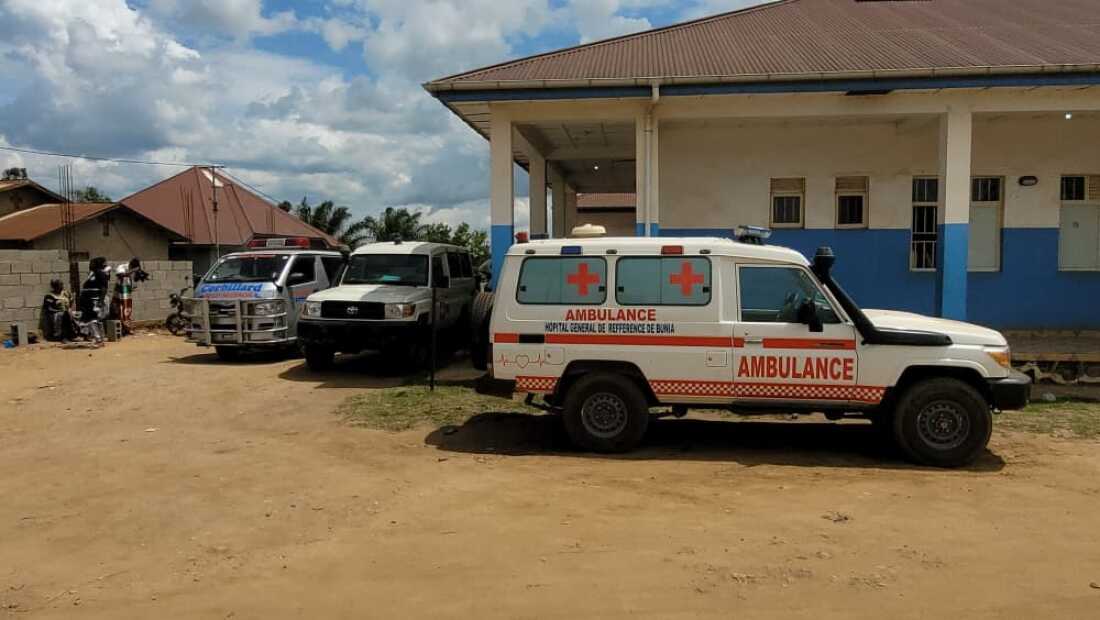
The World Health Organization (WHO) has announced a new Ebola outbreak in the Democratic Republic of Congo (DRC) and Uganda, labeling it a ‘public health emergency of international concern’. Despite this, WHO Director-General Tedros Adhanom Ghebreyesus emphasized that the outbreak does not qualify as a pandemic emergency. He advised countries not to close their borders.
The outbreak originated in the DRC’s eastern Ituri province and was reported last Friday. Hundreds of cases are suspected, including one crossing into Uganda. The Africa Centres for Disease Control and Prevention (Africa CDC) stated there is currently no vaccine for this strain.
Ebola spreads through blood and bodily fluids, as well as contaminated surfaces. Symptoms include fever, body pain, weakness, vomiting, and in some instances, bleeding.
Dr. Jean Kaseya, director general of Africa CDC, informed during a video press conference that the outbreak likely started in late April. Most cases have been identified in Mongbwalu and Rwampara, two mining towns in the DRC with high movement of workers.
There are currently ten confirmed cases, 336 suspected cases, and 88 deaths in the DRC. Uganda has two confirmed cases, including one death. The U.S. Centers for Disease Control and Prevention (CDC) assures that the risk to the American public remains low and is actively collaborating with partners to manage the outbreak.
CDC Incident Manager Dr. Satish K. Pillai confirmed that over 30 CDC staff members are present in the DRC, with more personnel expected. The CDC also acts to safely withdraw a small number of affected Americans.
Africa CDC leads the regional response to prevent further spread. Dr. Kaseya highlighted challenges, sharing the story of a Congolese man who died from Ebola in Uganda after extensive contact with the community. He stressed the importance of protective equipment for healthcare workers, although PPE production shortfalls persist.
Two previous outbreaks of this rare Bundibugyo strain occurred, but it eludes standard rapid tests. Infectious disease expert Boghuma Titanji noted the virus spread unnoticed for weeks, complicating the response.
No approved treatments or vaccines exist for this strain, yet researchers are exploring an experimental vaccine showing 50% efficacy in monkeys.
The Africa CDC is collaborating with health organizations and pharmaceutical companies to strengthen surveillance, preparedness, and response actions. Dr. Craig Spencer, who contracted Ebola in 2014, remarked on social media about the outbreak’s size and the challenges due to delayed recognition.
Between 2014 and 2016, Ebola infected 28,600 people and claimed 11,325 lives in the largest known outbreak, originating from Guinea and spreading widely in West Africa.