
More than 40 Americans are in quarantine for up to six weeks after a hantavirus outbreak on a cruise ship. Former patients from high-security medical isolation units share their experiences of prolonged separation from the outside world.
Dr. Kent Brantly reassures those affected that they are receiving the best care possible. He spent weeks in isolation after contracting Ebola in 2014 and emphasizes that they are in the most capable hands.
The outbreak, identified on the MV Hondius in early May, resulted in three fatalities and 11 illnesses. The affected Americans returned home Monday after being confined to cabins and are now quarantined in facilities for infectious disease exposure.
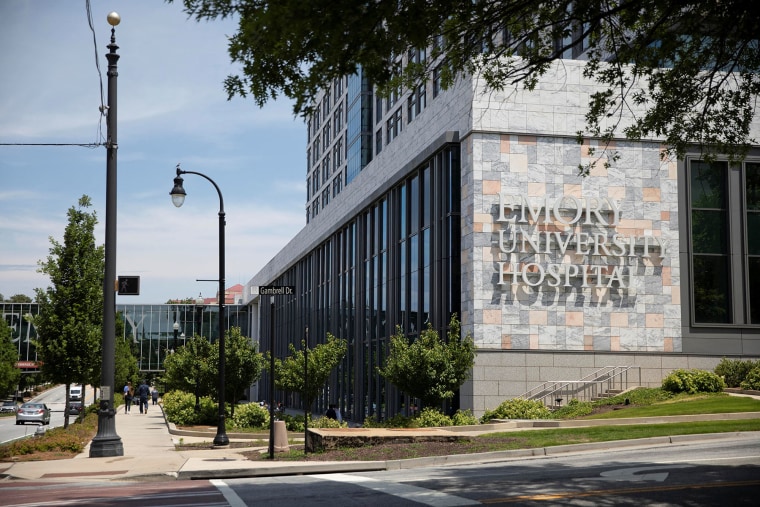
Emory University Hospital and the National Quarantine Unit in Omaha are monitoring these patients. The World Health Organization confirms none have tested positive, though isolation could last up to 42 days.
Brantly shares insights from his Ebola isolation, highlighting the equipped facilities and round-the-clock monitoring at Emory University Hospital’s biocontainment unit. He describes the attentive medical team and holistic care prioritizing physical, emotional, and mental well-being.
Jake Rosmarin, a social media creator, is currently quarantined at Nebraska’s National Quarantine Unit, showcasing life in isolation via Instagram. His room includes amenities like a bed, smart TV, spin bike, and access to meals and takeout.
Rosmarin maintains a positive outlook as he counts down the days of isolation, noting the support from medical staff and family.
Carl Goldman, who quarantined at UNMC after contracting Covid-19 on the Diamond Princess, reflects on his experience in a biocontainment unit. The isolation was surreal, yet he acknowledges the support and community within the facility.
Their stories underscore the importance of mental resilience and adaptability during extended quarantine periods. Positive interactions with healthcare professionals and maintaining a hopeful perspective are critical.