
After the recent midterm elections, Senate Republicans continue to feel the impact. The political landscape reveals challenging prospects for the GOP to reclaim control of the Senate for several years.
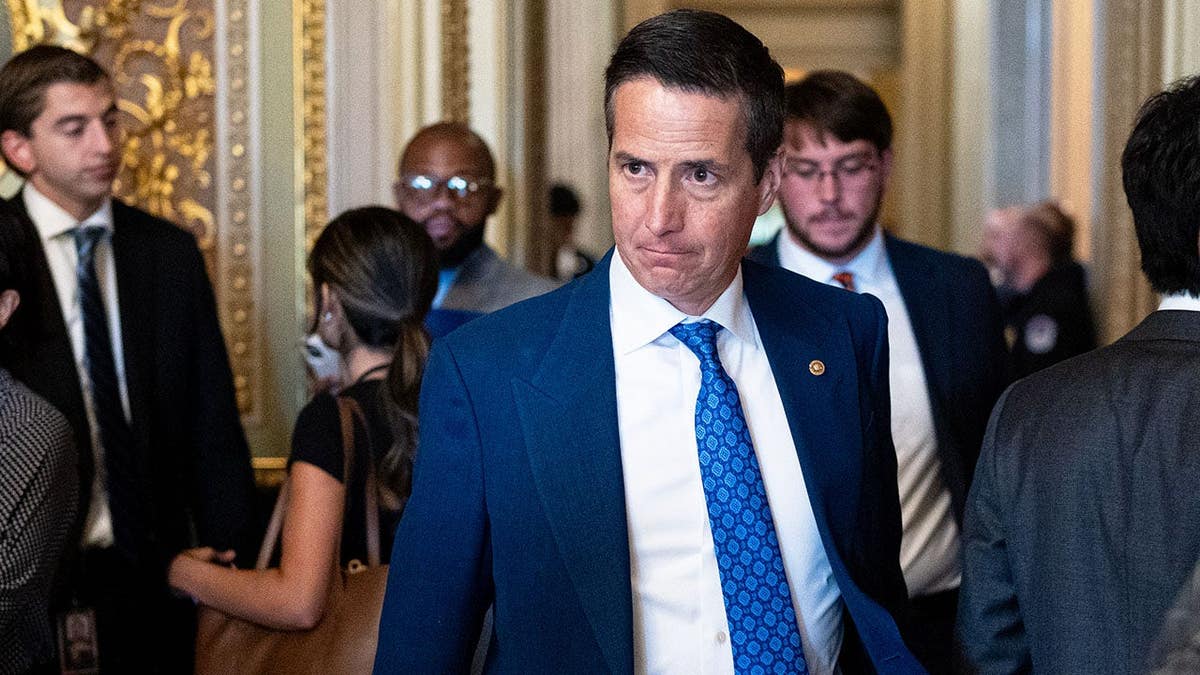
The current Senate map was initially favorable for Republicans, offering a chance to maintain or even expand their 53-seat majority. However, the upcoming 2028 election cycle presents significant hurdles. The GOP’s campaign chief, Sen. Bernie Moreno of Ohio, described the map as ‘very tough.’ Currently, only three Democratic incumbents seek re-election in battleground states, while Republicans defend numerous seats in previously secure, strong red states, including the Carolinas, Kansas, and Iowa.
Sen. Bernie Moreno, reflecting on future political battles, noted Republicans have faced tough situations before. He emphasized the importance of discipline and accountability for incumbents and candidates. Moreno aims to appeal to donors with a clear strategy for victory.
Other Republicans, like Sen. Steve Daines of Montana, offer a more cautious outlook. As the former chair of the National Republican Senatorial Committee during the successful 2024 campaign, Daines likens the current situation to overcoming an early deficit in a baseball game. He suggests that Democrats’ potential overreach could provide Republicans with opportunities but warns it may take several cycles to regain a majority.
Senate Majority Leader John Thune of South Dakota shares similar sentiments. After becoming the incoming minority leader following the midterms, Thune acknowledges potential changes in the political atmosphere that might benefit Republicans. He recalls the 2005 Republican 55-seat majority and the subsequent return to the minority by 2006. According to Thune, the election cycle will depend on both the map and national sentiment.
The election losses have created an opportunity for Republicans to focus on state-specific campaigns. With Trump’s influence waning, candidates will no longer run predominantly on his platform.
Sen. Thom Tillis, from North Carolina, highlights the challenges Republicans face in regaining control by 2028, suggesting that favorable conditions might not emerge until 2030.
Discussion continues within the party regarding the impact of the Trump administration on voter sentiment. Tillis mentions a growing awareness of necessary changes and stresses the importance of performance over rhetoric in future elections.