
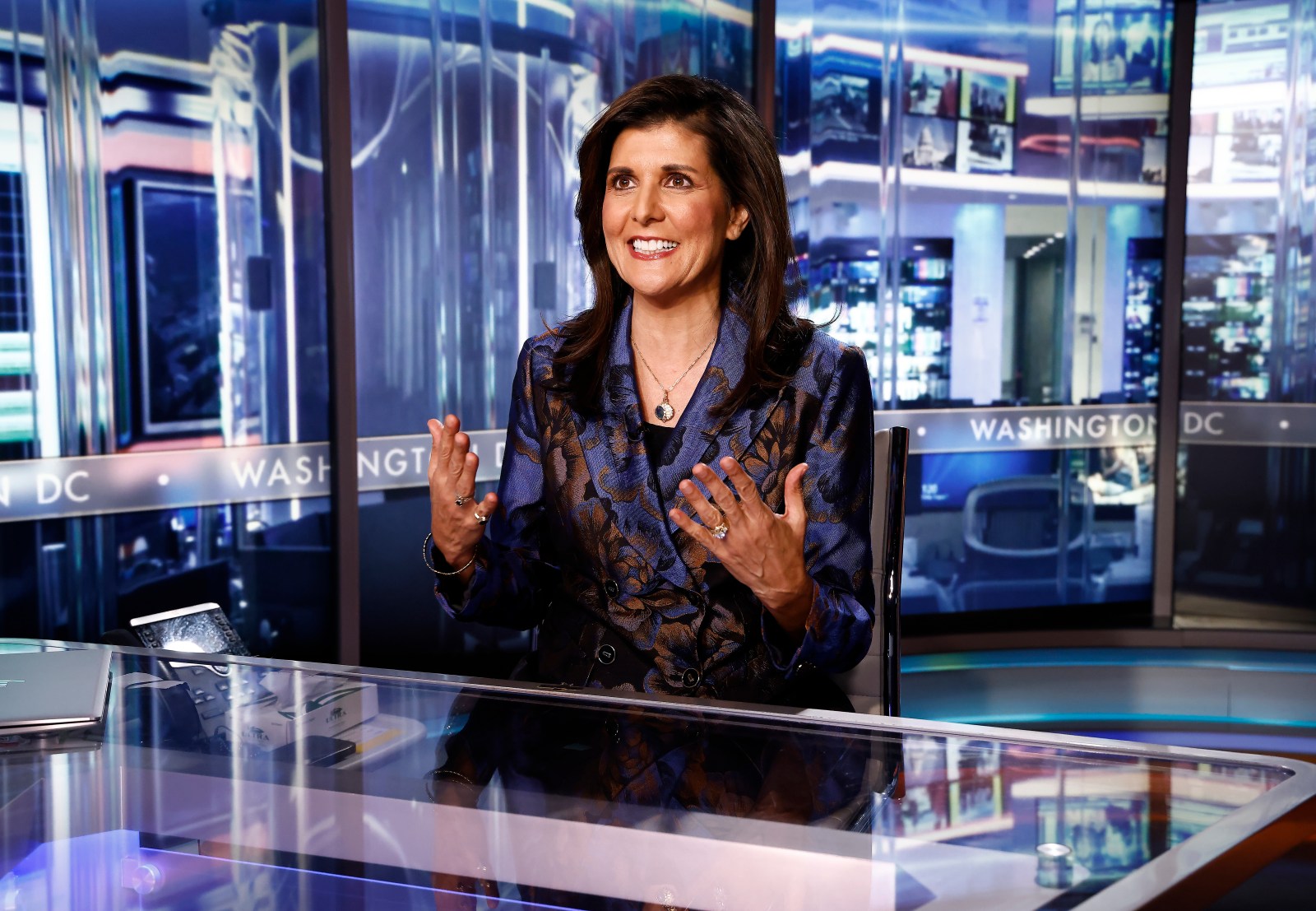
Nikki Haley, former South Carolina governor and United Nations ambassador under President Donald Trump, announced she will not seek the presidency in 2028. Speaking to CNBC, she emphasized her continued commitment to advocating for policies she believes in and supporting capable candidates, highlighting the significance of a strong America.
Haley remarked on the talent present within the Democratic lineup for 2028, acknowledging Republican opportunities for a competitive field as well. The Republican Party faced substantial losses in the recent midterms, losing majority control of both the House and Senate.
The aftermath has stirred discussions around potential Republican candidates. Florida Governor Ron DeSantis expressed criticism of the party’s direction, suggesting voter choices reflected dissatisfaction with Trump and Republican leadership. His media appearances have fueled speculation about his possible candidacy.
Potential runs by Secretary of State Marco Rubio and Vice President JD Vance are also topics of interest. Even former President Trump remains undecided on endorsing a candidate, mentioning that staying uninvolved might be preferable. Recent interviews and public statements reflect his cautious stance.
Chris Christie has shown interest in running in 2028, partly due to Republican midterm performance.
Christie criticized DeSantis and aligned himself against candidates associated with the Trump administration. He stressed consistency in political principles as vital for the Republican nominee.
Discussion continues within Trump’s circle about the midterm outcomes. Vance, after consultations, identified several areas of focus, including foreign policy and economic concerns, to strengthen the Republican platform. Rumors of Trump’s potential endorsement for Vance remain unconfirmed.
Political analysts weigh in on Haley’s decision. Robert Y. Shapiro from Columbia University suggests her exit could benefit candidates like Rubio and Ted Cruz, distancing them from negative election impacts. Conversely, Grant Reeher from Syracuse University views Haley’s absence as opening the path for conventional Republicans, highlighting Rubio’s potential candidacy.
Republicans seek to regroup post-midterm losses, while figures like Rubio garner support from party members. Despite calls for his candidacy, Rubio remains non-committal about future elections, preferring to keep options open.
Prediction markets reflect fluctuating odds for various GOP candidates. Currently, JD Vance leads with a notable chance of securing the nomination, while DeSantis and Rubio trail behind. Other candidates, such as Ted Cruz and Thomas Massie, register lower percentages in these speculative markets.
This article was produced with the assistance of Martyn, Newsweek’s AI tool designed to enhance storytelling. For inquiries, contact Newsweek editors.