
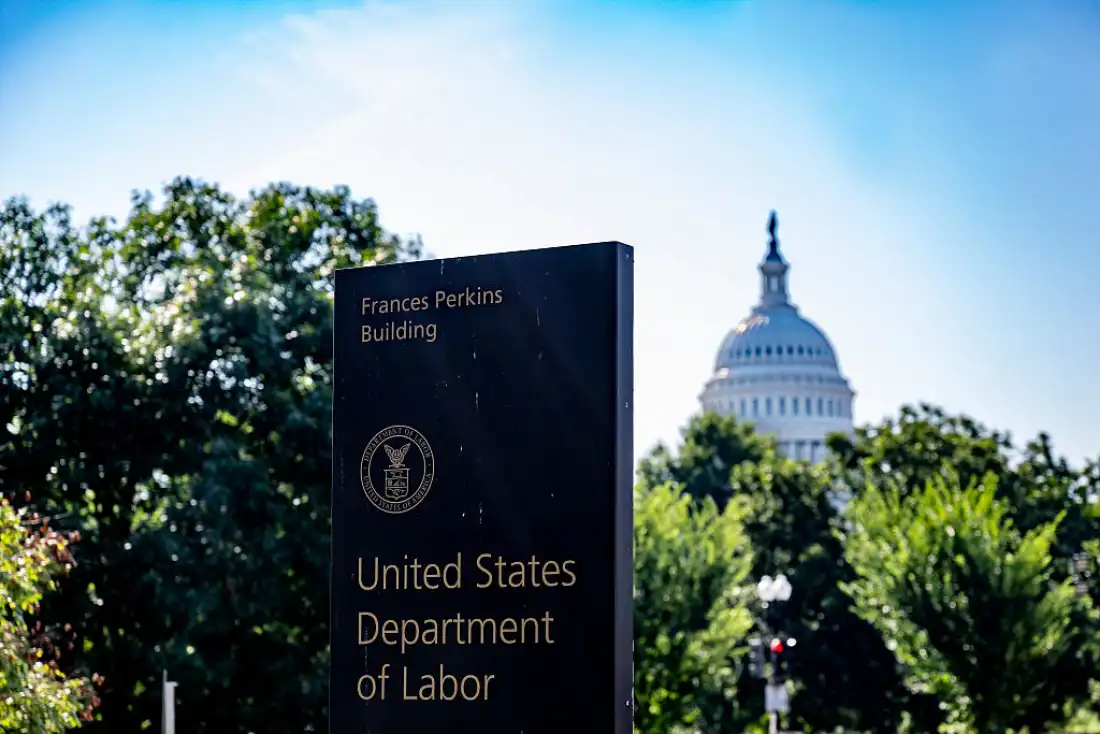
The U.S. Supreme Court deliberated on a case questioning the authority of federal regulatory agencies to impose fines on businesses violating federal laws. A key example involves Sun Valley Orchards in New Jersey, which the Department of Labor fined for unsanitary conditions like unsafe drinking water and inadequate housing, alongside wage violations.
Sun Valley disputes these fines, arguing that the Department’s ability to impose penalties through its administrative processes lacks constitutionality, as it bypasses jury trials in federal court appeals. At issue is the broader concern about executive branch power potentially infringing upon judicial responsibilities.
Chief Justice John Roberts expressed concerns over the executive branch’s overreach, suggesting it might intrude on judicial functions. Justice Sonia Sotomayor raised questions about potential disruptions if courts had to enforce laws like the Department of Labor traditionally does.
Representing the government, Deputy Solicitor General Sarah Harris cautioned against mandating civil penalties to always be resolved in Article III courts, arguing it might disrupt vital programs like Medicare and federal student loans, leading to severe under-enforcement due to resource constraints.
Sun Valley’s lawyer, Robert Johnson, maintained that penalties should be adjudicated in federal courts. However, his stance prompted warnings from justices like Sonia Sotomayor and Brett Kavanaugh, who highlighted conflicts with legislative intent and a lack of clarity in Sun Valley’s argument.
Justice Samuel Alito commented on the complexity and potential inconsistency of the proposal, with Justice Elena Kagan humorously noting that such complexity wouldn’t come from their court.
Deputy Solicitor General Harris, reflecting on the case’s implications, suggested significant governmental challenges if the court ruled against the current administrative structures. She called for clear directives if legislative interventions were required to address potential statutory upheavals.