
The release of the first College Football Playoff poll triggered reactions ranging from shock to anger among fans of college football. For supporters of the SEC, however, the outcome was expected.
Critics claim the SEC teams are given undeservedly high rankings. Notably, some coaches have suggested a link between ESPN, the SEC, and the playoff committee possibly compromising objectivity.
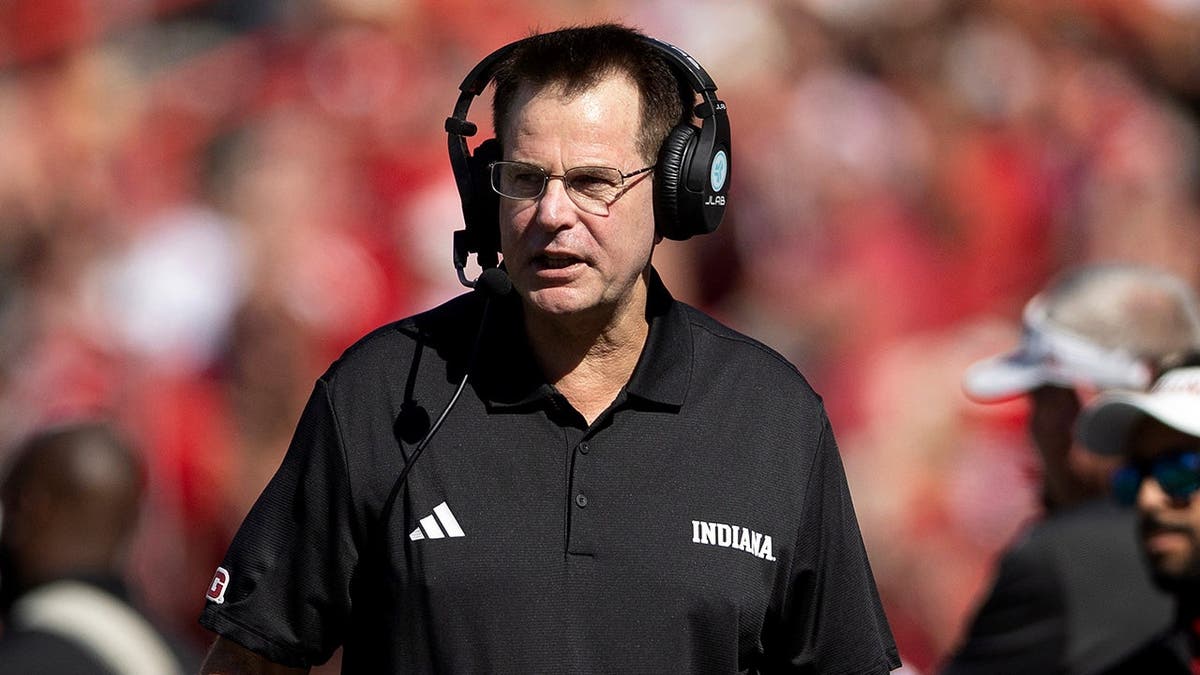
Indiana’s head coach, Curt Cignetti, expressed doubts about committee bias. He remarked, “SEC gets a lot of love from ESPN and all their writers that they don’t technically pay but march to their drum.” His comments underscore suspicions of preferential treatment towards SEC teams.
Curt Cignetti, Indiana’s head coach, criticized the perceived bias favoring SEC teams.
LSU Tigers head coach Lane Kiffin actively participates in these discussions. Kiffin has voiced concerns about the addition of more games in the SEC schedule, arguing this affects the evaluation of their teams. He promotes the idea that the SEC should be viewed as unique due to differences in schedules and playing conditions compared to other conferences.
Despite Kiffin’s assertions, SEC’s bowl game performance has been disappointing. In the 2025-2026 season, they recorded a 1-8 result in bowl games and 0-3 in playoffs against non-SEC Power 4 opponents.

The criticism extends to SEC’s travel advantages. For instance, SEC teams like LSU often have fewer challenging travel schedules compared to Big Ten teams.
Historically, claims of SEC’s superiority have been pervasive. Quotes from figures like Lane Kiffin, Vanderbilt quarterback Diego Pavia, and Texas A&M head coach Mike Elko emphasize the purported difficulty of the SEC.
Examples of past statements highlighting SEC’s perceived dominance are numerous.
Ian Miller, a writer, argues that this perceived superiority is unfounded and often unfavorably skewed in SEC’s favor.
The upcoming evaluations by the committee are anticipated to reveal whether previous patterns of favorability towards SEC teams persist despite documented failures when competing against other conferences.