
In 2005, I met a violinist living near Pershing Square who spent his nights on Skid Row. This encounter marked the beginning of my close observation of how Los Angeles mayors address homelessness. Over the years, leaders like Antonio Villaraigosa, Eric Garcetti, and Karen Bass have made promises to solve the problem, yet none have succeeded.
Despite significant investments in resources, these efforts have only managed to aid thousands temporarily, while the homeless population exceeds 40,000 people. Mayor-elect Nithya Raman now faces this enduring issue. Although homelessness slightly increased citywide, it significantly decreased in Raman’s council district.
In a recent campaign, Raman criticized Bass’s costly and ineffective strategy, pledging to halve tents and encampments by the Olympics and to house all tent residents by the end of her first term. Though hopeful, skepticism arises from previous unfulfilled promises by past mayors during events aiming to end homelessness.
Homelessness stems from complex issues, including economic disparity, the high cost of housing, untreated mental illness, and addiction. Addressing these problems needs coordination across federal, state, and city agencies. Yet, wastage of resources has been prevalent. Bass’s Inside Safe program moved 6,000 individuals into interim housing at $300 million, but 41% returned to the streets.
Raman plans to replace this program with cost-effective rental vouchers. Her strategy includes auditing homeless spending, increasing Street Medicine teams, and enhancing shared housing and management services. Despite challenges in uniting City Council support, Raman’s background in urban planning and her involvement with the SELAH Neighborhood Homeless Coalition are assets.
Louis Abramson of SELAH suggests Raman’s expertise could lead to more affordable housing. Building strong community ties remains a key mission. Recovery often involves setbacks but demands long-term support. Testimonials from former homeless individuals at Chrysalis, who have found stability through work and housing, demonstrate the importance of lasting solutions.
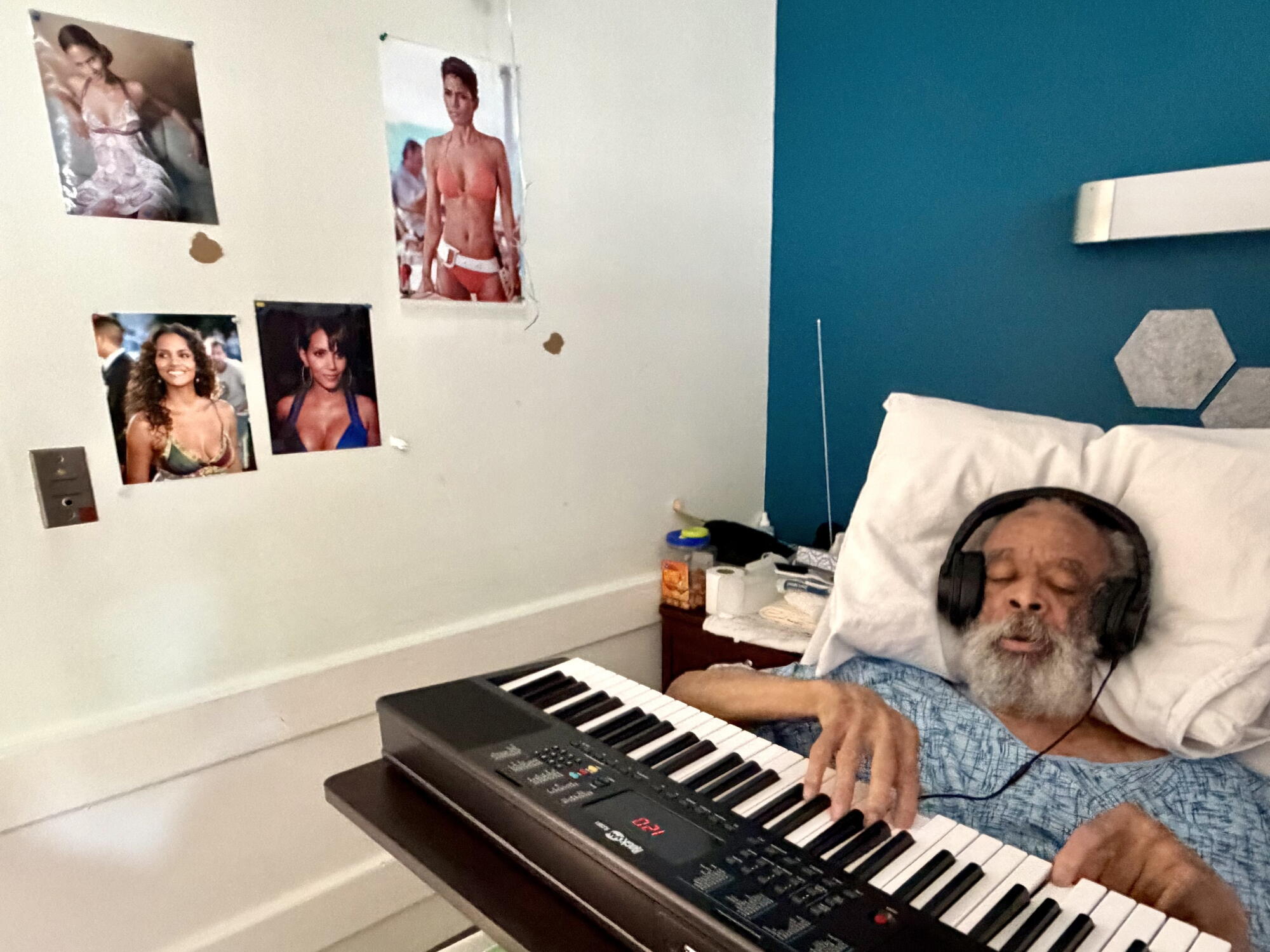
Raman’s focus should include transforming able-bodied individuals into a workforce to address the city’s needs, encouraging community volunteering for organizations like SELAH. Nathaniel Ayers, once a homeless musician, now finds solace in music while residing in a nursing home with friends’ support.
Abramson emphasizes the necessity of human relationships in tackling homelessness. There’s a need to focus beyond statistics and on stories, fostering community involvement by acknowledging shared human experiences.
For the thousands affected in Los Angeles, there’s hope the next mayor’s approach can bring substantive change.