
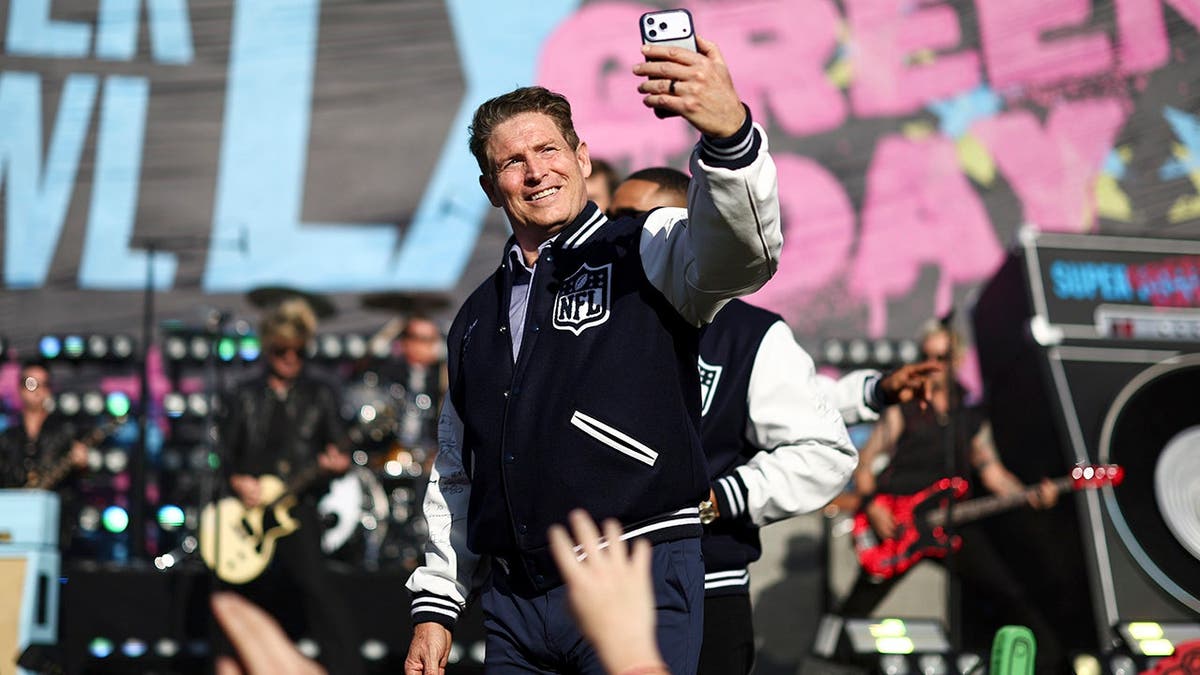
When name, image, and likeness (NIL) compensation made an impact on college football in 2021, NFL legend and BYU alumnus Steve Young had questions about how BYU would adapt. Contrary to his concerns, BYU has thrived. Tied with Boise State for the ninth-most wins since 2021, BYU reached number 2 in the AP poll after defeating Notre Dame. They have a chance to climb higher with an upcoming game against Utah.
I’m not throwing anyone under the bus,” BYU Vice President of Advancement Keith Vorkink stated, addressing rumors of player payment before NIL regulations existed. “We’re grateful for the opportunity NIL provides.
BYU’s approach to NIL involves aligning with the university’s core values, which are deeply rooted in the culture of The Church of Jesus Christ of Latter-day Saints. This alignment is crucial in their assimilation into the NIL landscape.
Vorkink emphasizes that the school’s mission remains paramount. “Our football coach, Kalani Sitake, embraces the university’s unique culture,” Vorkink said, pointing out that the school attracts student-athletes for its culture rather than financial incentives.
Sitake’s strong cultural influence is praised by Young, who notes the challenge of maintaining consistency amid a competitive financial environment. “It’s hard to build affinity,” Young said, highlighting Sitake’s success in fostering unity despite the financial pressures characterizing modern college football.
Vorkink shared that star players like freshman Bruce Branch and quarterback Bear Bachmeier chose BYU’s culture over higher-paying options elsewhere. This decision reflects BYU’s success in attracting talent that resonates with their values, even among non-members of the faith.
The story of AJ Dybantsa, the 2026 NBA Draft top pick, illustrates a similar sentiment. Despite higher offers elsewhere, Dybantsa thrived at BYU, thanks to a connection with head coach Kevin Young and an appreciation for the university’s environment.
BYU requires all students to adhere to an honor code prohibiting substances like alcohol and tobacco, as well as premarital sexual relations. Young believes that this unique expectation can appeal to recruits seeking authenticity. “It’s counterintuitive,” Young said, referring to the conversations initiated by the honor code, which invites openness and personal expression.
Young credits Sitake for preserving BYU’s identity amid the complexities of NIL. “There’s big money involved, and it’s not simple,” Young commented, recognizing Sitake’s dedication to an inclusive community that values every part of its members’ identity.
While both Young and Vorkink acknowledge BYU’s success, they also advocate for regulation of NIL to ensure stability. “Every university seeks a stable framework for student-athlete compensation,” Vorkink said. Young believes that legislative solutions are needed to balance compensation with educational commitments without disadvantaging athletes.
Young is hopeful that Congress can mediate the system better, citing the previous issue of athletes being underpaid. “Congress is the only one that can put that back together,” Young added.
In the end, Young praises BYU for succeeding in the NIL environment according to its principles. “We compete, but we do it the BYU way,” he stated.