
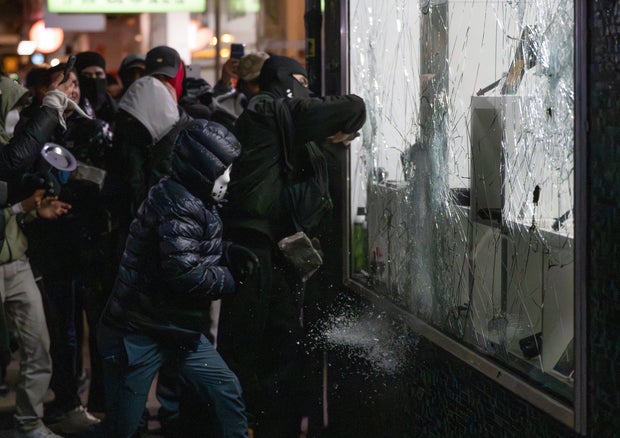
On October 31, 2026, protests erupted in Frankfurt, Germany over the escalating cost of living. The demonstrations were part of a larger movement led by a youth initiative, ‘Gen Z regelt,’ meaning ‘Gen Z’s got this.’ The movement organized rallies in more than 30 cities to advocate for education, health, climate protection, and affordable living conditions, while opposing the return of military conscription.
Organizers claimed tens of thousands joined the protests across Germany, though official numbers were unavailable. Initially peaceful, the protests descended into violence in Frankfurt, Berlin, Cologne, and Hamburg as night fell.
In Frankfurt, within the financial district, masked individuals broke storefronts and engaged in looting. Rioters hurled stones, fireworks, and pepper bombs at law enforcement. The police reported that weapons were stolen from a gun store but were subsequently recovered. Some of the protesters employed Molotov cocktails against the police, exacerbating the situation.
Hamburg faced a similar violent turn where protesters launched pyrotechnics at the police and set barricades ablaze. The police responded by deploying water cannons and tear gas to disperse the agitated crowds.
A photograph captured in Frankfurt shows riot police moving past a burning trashcan amidst the chaos, highlighting the intensity of the situation.
The earlier stages of the protests were notably peaceful, particularly in Berlin where young demonstrators collected at the Brandenburg Gate. They pushed for increased investment in education and housing. A high school student, Lara Breitenbach, implored for more funding towards social services and climate protection, emphasizing the lasting impacts on their generation.
Another student from Berlin, Janelle Schulz, underscored the dire conditions in her school, mentioning water damage, a shortage of teachers, and inadequate facilities. She stressed the urgent need for more educational investments.