
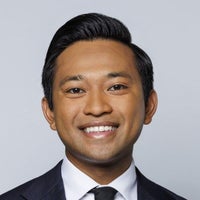
Grosse Pointe Woods, Michigan — At a campaign event near Detroit, GOP Senator Ted Cruz from Texas accused Democratic candidate Abdul El-Sayed of having connections with the Muslim Brotherhood. El-Sayed has consistently denied these allegations. Cruz referred to El-Sayed as the ‘jihadist leprechaun’ and expressed concerns about El-Sayed obtaining top-level security clearance if elected to the U.S. Senate. Cruz warned that, if placed on the Senate Intelligence Committee, El-Sayed’s supposed allegiance to the Muslim Brotherhood could endanger American lives.
This claim has become central to the closing campaign message for Republican nominee Mike Rogers in Michigan’s tight Senate race. The Trump administration labeled some branches of the Muslim Brotherhood as terrorist organizations in January. In contrast, El-Sayed told Fox News that he has never been and will never be part of the Muslim Brotherhood. His campaign has criticized the accusations as a ‘bigoted anti-Muslim smear campaign’ and an attempt to shift voter attention from economic issues.
In response to Cruz’s comments, El-Sayed’s campaign spokesperson Cole Wozniak called Cruz an unpopular politician with a record of supporting policies that have harmed Michigan families, including cutting healthcare. Wozniak said Cruz’s remarks were another distraction, diverting focus from rising costs in goods driven by former Trump administration policies.
The Republican accusations stem from historical posts by El-Sayed’s half-sister, mentioning their birthmother’s involvement in the Muslim Brotherhood during the 1970s. El-Sayed, born in the U.S., explained that his parents divorced when he was three, and he has had little contact with his birthmother regarding her past. He noted that his upbringing was by his stepmother.
Cruz drew attention to El-Sayed’s time as president of the Muslim Students’ Association at the University of Michigan and his past op-ed in support of protests against then-Egyptian leader Mubarak. Cruz, alongside Rogers, highlighted an open letter El-Sayed signed in 2012 in support of President Mohamed Morsi, who led Egypt’s political wing of the Muslim Brotherhood until removed by a military coup. Rogers had previously noted U.S. engagement with Morsi’s government during his time in Congress and his voting decisions regarding funding for Egypt.
El-Sayed stated Republicans were questioning his loyalties, suggesting that as a Muslim, he would have ‘dual loyalties’ if elected. He urged voters to evaluate him based on his own actions and commitments, reiterating his commitment to the U.S. Constitution.
Republicans have intensified anti-Muslim rhetoric against El-Sayed as elections near, with even former President Trump labeling El-Sayed as a ‘jihadist Muslim Brotherhood member.’ Cruz also speculated on future Democratic presidential candidates, suggesting Rep. Alexandria Ocasio-Cortez could be nominated in 2028 and claimed she too could win.
At the event, El-Sayed’s competitor, Rogers, emphasized the significance of the Michigan race, describing it as crucial at a national level. Rogers alleged El-Sayed was dishonest about his ties to the Muslim Brotherhood and stressed the importance of transparency in candidates.
The Michigan Senate race remains closely watched, with Michigan’s voting history showing a shift between parties. The race is currently considered a toss-up, as rated by CBS News Battleground Tracker.