
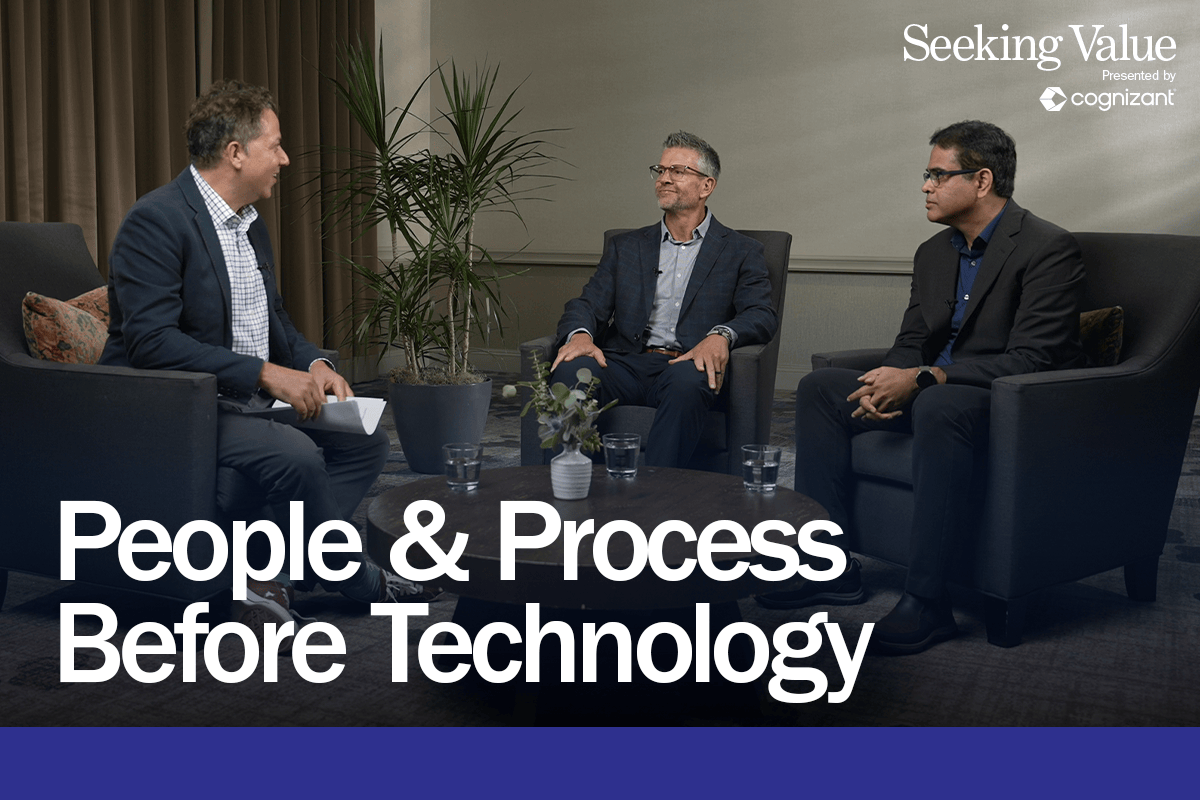
Toyota Motor North America faces a hefty monthly supply-chain planning process that involves managing over 75 spreadsheets. This cumbersome task often needs restarting as soon as it is completed. In response, Toyota is developing digital tools to ease this burden, contributing to a broader transformation that has yielded a significant return on investment. Jason Ballard, vice president of digital innovations at Toyota Motor North America, stated that these initiatives have returned $3 for every $1 invested over a span of five to six years. This impressive figure stems from various operational and technological enhancements, including machine learning, rather than focusing solely on generative AI.
The discussion on these endeavors formed part of the Seeking Value video series by Cognizant. Jason Ballard was joined by Nishanth Vallabhu from Cognizant, moderated by Gabriel Snyder, Newsweek’s executive editor, enterprise.
Addressing Supply Chain Challenges
Toyota’s reevaluation of its supply chain arose from two major crises: the COVID-19 pandemic and the semiconductor shortage. Ballard highlighted the immense pressure faced by experienced employees to maintain operations, revealing a reliance on individual judgment. The disruptions led to a significant drop in dealer inventory, shifting from over 50 days’ supply to numbers in the teens. This situation raised critical questions about Toyota’s ability to understand customer demand and ensure they provided the desired vehicles.
“How come I can track a Domino’s pizza, but I can’t track where my $50,000-or-more vehicle is?”
This query, frequently posed by friends and family, encapsulated the persistent visibility issues within vehicle orders. To address these challenges, Toyota initiated tests with individual applications, identifying effective strategies that could be scaled across the organization.
Building a Modular Architecture
Toyota’s platform development began by integrating machine learning and optimization to enhance demand forecasting and supply planning. The architecture supports various applications by incorporating shared components, data reliability, and a developing intelligence layer for supporting agents and employees. This structure allows Toyota to choose from different AI models, offering flexibility as technology evolves.
Ballard stressed the importance of avoiding costly technology decisions that plagued past enterprise software. Initial financial assessments provided a range of potential outcomes, with early projects delivering strong returns that justified ongoing investments.
Optimizing Vehicle Configurations
Financial improvements primarily came from optimizing vehicle configurations for profitability. Machine learning enabled Toyota to better align configurations with customer demand, thereby boosting revenue. During the semiconductor shortage, a digital twin assessed component availability and guided production decisions, ensuring assembly lines remained operational.
The technology has transformed planning teams’ roles, shifting focus from routine tasks to strategic decision-making based on enhanced information access.
Measuring the Value of Change
Nishanth Vallabhu noted the challenge in measuring improvements, especially those related to office workers’ productivity and its economic impact. While productivity enhancements lay the foundation for future changes, the true financial benefits often depend on subsequent developments. Vallabhu underscored the importance of bold decision-making in pursuing value.
Though self-reported productivity gains form a solid basis for further adjustments, Vallabhu urged companies to validate true financial impact, especially when AI influences customer interactions and sales.
Collaboration with Cognizant
Cognizant’s collaboration with Toyota spans approximately two decades, focusing on understanding Toyota’s work culture and introducing innovative ideas. Vallabhu explained how Cognizant balances traditions with technological advances to enhance operation efficiency.
The partnership involved close work between Cognizant and Toyota, fostering a dynamic environment for exchanging fresh perspectives and challenging existing practices.
Involving Employees in Transformation
Employee participation proved crucial for Toyota’s transformation. Ballard emphasized respecting team members and continually improving operations through their hands-on experience and insights into emerging technologies.
This collaborative approach ensures a comprehensive transformation, aiming not merely to update tasks but to entirely reimagine business operations. Ballard highlighted the significance of articulating the advantages of new tools to employees, ensuring they perceive these changes as beneficial rather than imposed.
“You don’t want it happening to them. You want everyone to feel like this is happening for us.”
The overarching goal remains a radical transformation that redefines how Toyota conducts its operations and serve its team members.