
The Pentagon has confirmed the deployment of US weapons in space, presenting a significant revelation. This announcement highlights the escalating space arms race as Russia and China expand their capabilities.
Former NASA astronaut Butch Wilmore provides insights into the strategic necessity of controlling the space domain. He addresses the complex challenges associated with both kinetic and non-kinetic weaponry.
Challenges of Space Debris
Space is not only populated with astronauts but also vast amounts of debris. Thousands of pieces move at high speeds around Earth, including derelict satellites and remnants from past collisions. Even small debris poses a risk to functioning spacecraft.
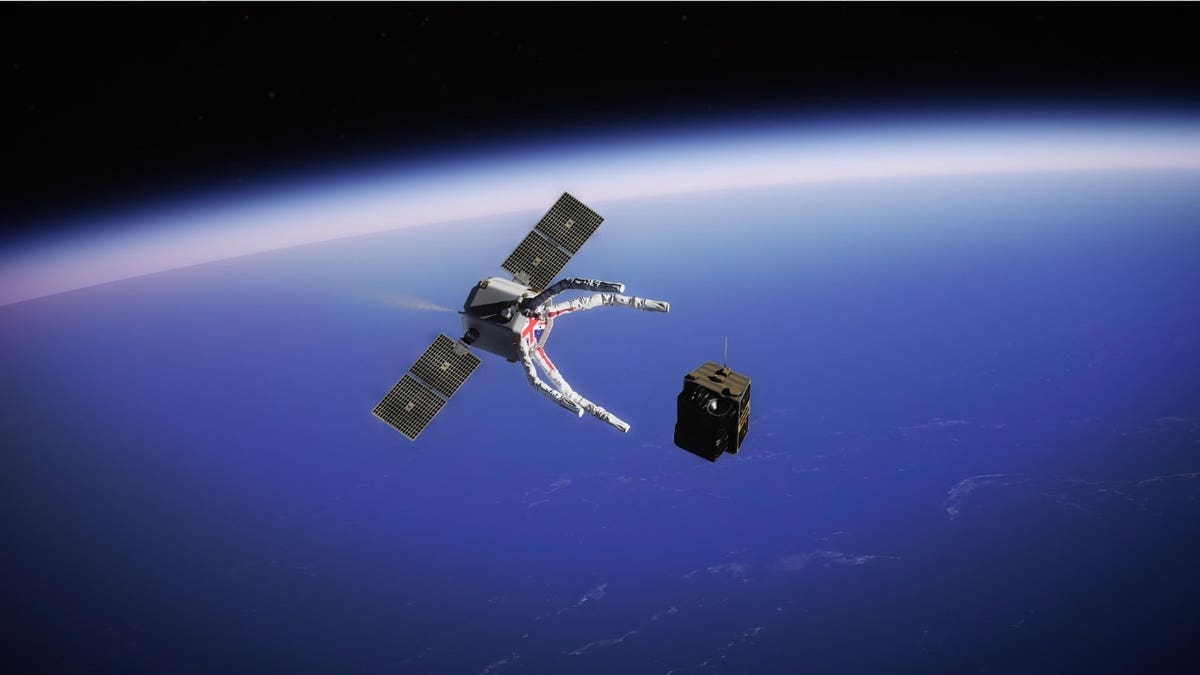
The UK proposes a unique solution to this issue. It plans to develop a robotic spacecraft equipped with giant claws to capture dead satellites and safely dispose of them by burning them up in Earth’s atmosphere.
UK’s Initiative to Remove Space Debris
The UK aims to invest approximately $81 million in this endeavor. If successful, the mission can change the way space debris is managed. Set to launch in 2029, the spacecraft will target the removal of two inactive UK satellites.
This initiative could demonstrate the ability to safely capture and dispose of multiple satellites, fostering a practical and sustainable approach to managing space debris.
Technical Details of Capturing Satellites
Catching satellites in orbit is a complex task due to objects moving at 17,000 mph or higher. ClearSpace’s robotic technology aims to overcome these challenges with specialized capture systems that coordinate movements with targets.
The spacecraft is designed for refueling and reuse, offering the potential for future cleanup missions without launching new vehicles.
Impact of Space Junk
Space debris poses a threat not only to expensive satellites but also astronauts in the International Space Station. Disruptive incidents, such as the Russian anti-satellite weapons test in 2021, underline the risks.
The European Space Agency estimates significant risks from uncontrolled debris, emphasizing the importance of active debris removal.
Space Debris Falling to Earth
Some space debris eventually returns to Earth, with larger objects potentially surviving reentry and posing risks. The increased frequency of rocket launches raises concerns about falling debris.
Analyses by experts highlight the cumulative risk associated with uncontrolled debris reentries. Preparation and planning are crucial to manage these risks.
Potential for a Space Cleanup Industry
As satellites continue to orbit long after their utility, new technologies offer opportunities for their removal or service extension. ClearSpace’s mission highlights feasibility for creating a sustainable space cleanup industry.
Companies may eventually pay for satellite removal or life extension services. However, the commercial potential greatly depends on successful technology demonstrations.
Impact of Space Debris on Everyday Life
While many people rely on GPS and satellite technology daily, the safety of orbital infrastructure is crucial. Successful removal missions could help protect these systems and support efficient operation.
The broader effort to secure orbital regions fosters the reliability of satellite-based services that have become integral to modern life.
Overall, Britain’s mission represents a step forward in addressing the challenges of space debris, offering a path to mitigate risks while considering economic and technical factors.