
A Black conservative filmmaker is questioning the Smithsonian’s decision regarding his documentary, which critiques progressive views on race and has not been publicly screened at its African American history museum. The museum has hosted films discussing systemic racism in the past.
The film titled “White Guilt,” directed and co-produced by Eli Steele, is based on a book by his father, Black conservative academic Shelby Steele. Eli Steele, who is Black, Jewish, and deaf, challenges current perspectives on race and identity through his experiences.
The documentary asserts that White guilt stemming from America’s racial past, combined with fears of being labeled racist, has led institutions to favor racial identity over personal merit.
This development occurs amidst rising pressure from President Donald Trump and his administration, who argue that the Smithsonian exhibits ideological bias in its American history portrayal. The White House claims the institution favors progressive narratives, threatening to cut federal funding as a consequence.
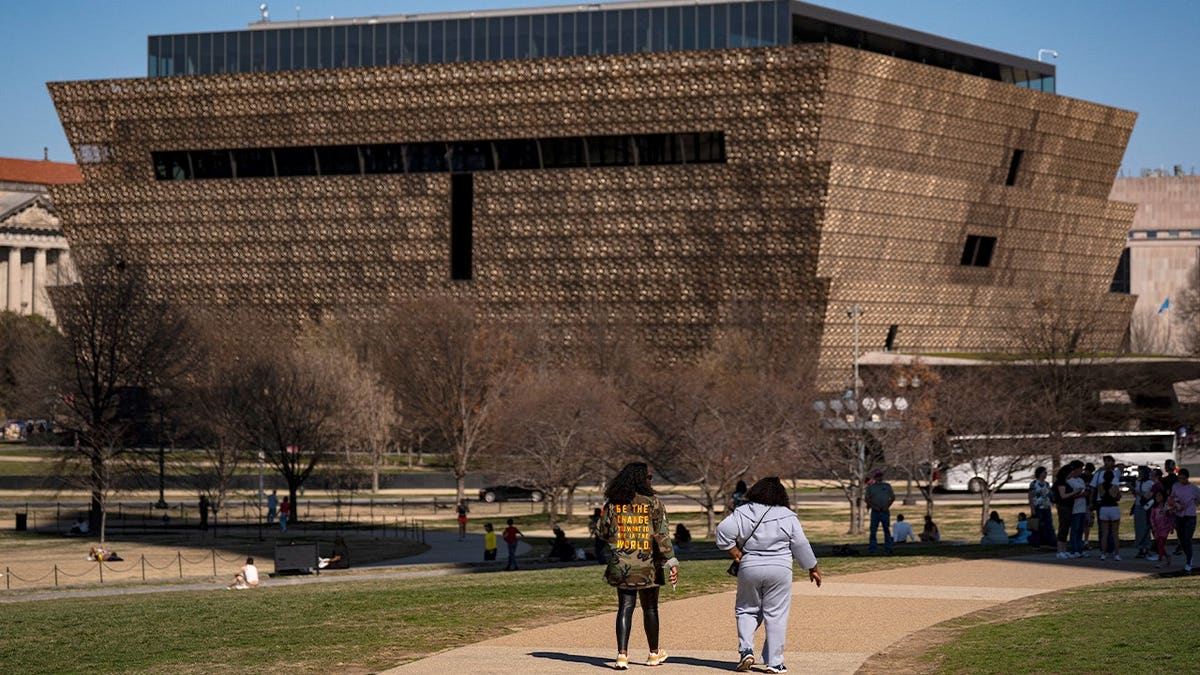
The Smithsonian’s National Museum of African American History and Culture in Washington D.C. has previously showcased films focused on race and American history. Examples include documentaries like “13th,” which examines how the 13th Amendment allowed racial control to continue post-slavery.
Eli Steele shared communications with Fox News Digital, indicating that the museum declined his proposed screening dates. They offered a private rental option instead. He awaits a response on alternative public screening dates.
Talking to Fox News Digital, Steele voiced concerns: “The film is professionally shot, the quality is there. A comparable film they’ve shown is ’13th,’ which is controversial as well. So we ask: Is there diversity of viewpoints here or not? Do you need to be the right kind of Black to be shown at the Smithsonian?”
While Steele refrained from directly accusing the museum of bias, fellow Black conservatives see the decision as part of a common pattern.
Retired professor Carol Swain expressed her perspective: “Institutions like academia once celebrated itself as a marketplace for ideas, but over time, conservatives were less tolerated, especially Black conservatives.”
Wall Street Journal columnist Jason Riley believes the Smithsonian’s decision reflects the broader liberal ideology prevalent in academia and media: “This film might challenge their narrative too closely, thus sparking self-interest.”
Riley also mentioned that presenting the film could benefit White progressives by challenging their assumptions on race and whether their favored policies aid Black Americans. He believes Black museum attendees could benefit from Steele’s message.
Recent criticism from Republican officials targets the Smithsonian for allegedly prioritizing political bias over objective history presentation. The Trump administration threatens to limit federal support as a result.
Steele and his team contacted the Smithsonian in August about a public screening. They filled out an event application form in early September, proposing two screening dates. The museum later informed them both dates were unavailable for public screening, instead offering a private space rental for $35,000.
Despite requesting alternative public screening dates, the filmmaker received no further communication.
Professor Glenn Loury of Brown University, having viewed the film, described it as a powerful depiction of ideas Shelby Steele has developed over four decades. Loury advocated for it to be shown at the Smithsonian as it provokes critical engagement across different political viewpoints.
Eli Steele, in a statement to Fox News Digital, highlighted his father’s legacy in examining racial change in America. He asserted that the conversation initiated by “White Guilt” deserves a place at the Smithsonian.
The proposal remains open, with the filmmakers still seeking a response from the museum.