
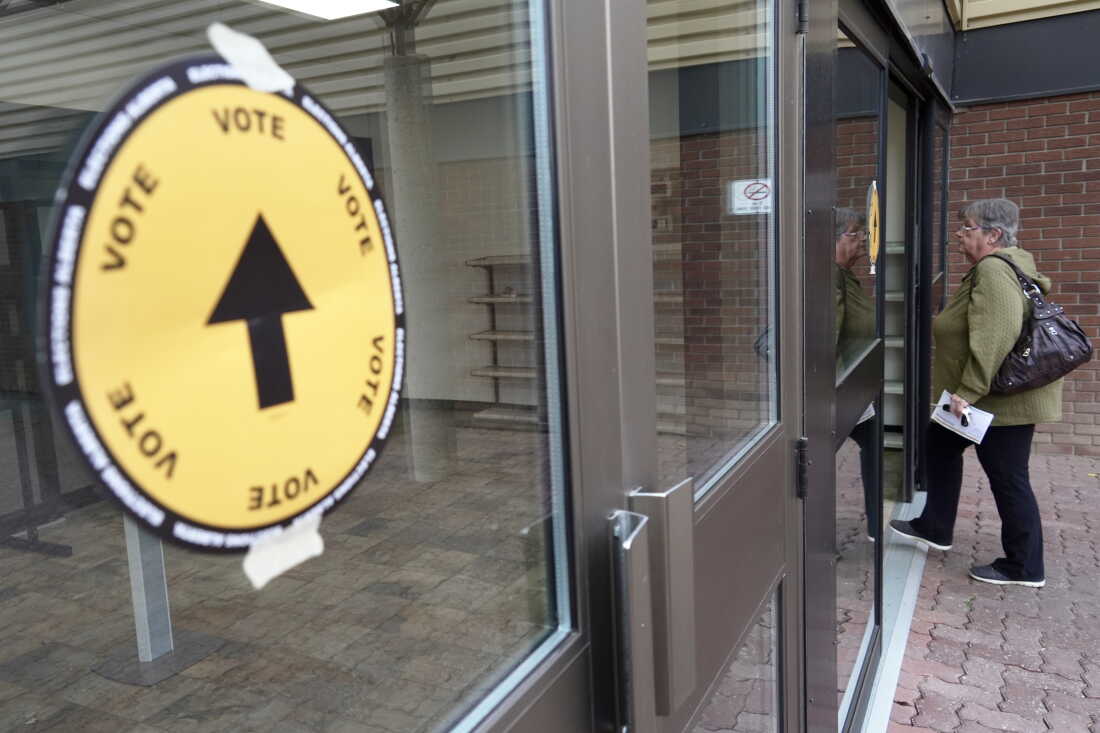
In Edmonton, Alberta, early referendum results showed overwhelming support among voters for remaining a part of Canada. With over a million votes counted, 77% of voters favored staying in the country, while 23% supported initiating talks about separation. This unofficial outcome, shared by Elections Alberta, came during a time when U.S. President Donald Trump was involved in a trade war and threatening annexation.
Prime Minister Mark Carney expressed gratitude towards Albertans, noting, “Albertans made a clear choice. They chose unity, to build together, and to take care of each other. Above all, Albertans chose Canada.” He believes this decision will usher in a new era of trade diversification and infrastructure development, positioning Canada, with Alberta at its center, as a global energy leader.
Some separatists found hope in the results. Keith Wilson, a figure in the separatist movement, remarked that despite the preliminary results, “at least a quarter of Albertans feel that Alberta needs to be treated better.” Alberta Premier Danielle Smith also acknowledged the early results, highlighting support for a united Canada and pledging to address the province about its future.
The referendum, proposed under Smith’s leadership amid pressure from separatists, wasn’t a direct vote on independence. Instead, it aimed to gauge public interest in a future separation vote.
Delayed polling station openings extended voting hours, impacting result timings. As a region with shared cultural traits with the American West, Alberta’s conservative values generate long-standing dissatisfaction with federal governance from Ottawa. Despite the apparent rejection of the separation proposal, separatist leaders argue their movement has gained traction.
Carney’s campaign for unity capitalized on unease over Trump’s aggressive policy stances. Former Premier Jason Kenney noted that historically, separatism was a fringe notion. However, discontent with COVID-19 policies fostered a broader separatist support base.
Jeff Rath, advocating for separation, was hopeful of securing 30% voter backing for dialogue on separation. He questioned Premier Smith’s leadership and foresaw possible political realignments.
Some voters voiced frustrations. Wainwright resident Dustin Degenhardt felt the federal government unfairly exploited Alberta. Another voter, Taylor MacIsaac, advocated for separation based on her conservative upbringing.
Others like Dave Malka from Edmonton criticized resource allocation, suggesting undue focus on separation talks with health care in need. Jake Graham from Calgary, attending a Carney rally in patriotic attire, hoped the vote would settle disputes around Alberta’s place in Canada.