
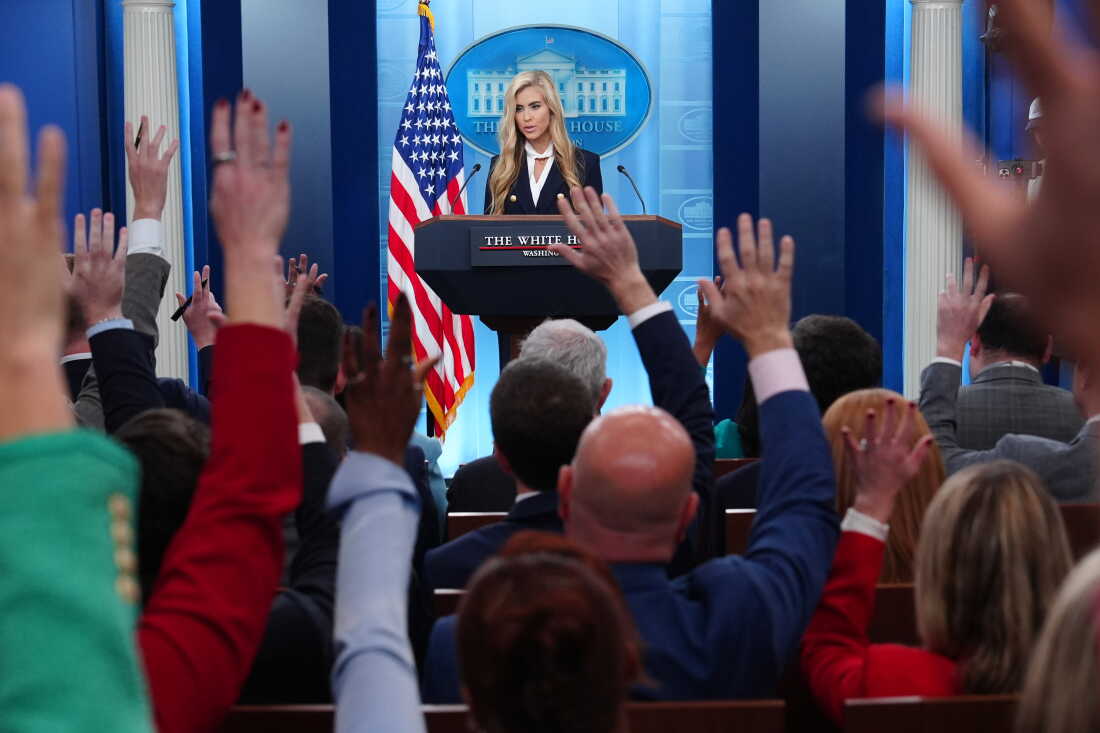
The position of White House press secretary is crucial within any administration, yet it comes without a formal job description or specific qualifications. No Congressional vetting is required, and the role can be terminated swiftly after appointment. Since the development of a modern press corps nearly 100 years ago, a designated individual speaks on behalf of the U.S. president.
Former Pentagon Press Secretary John Kirby points out that the press secretary also answers to the public. Serving under both the Obama and Biden administrations, Kirby emphasized the need for transparency. According to him, “You are expected to be the president’s voice and sometimes the president’s face on issues on a daily basis. This requires access to the president and an understanding of their viewpoint on policy issues, while also being accountable to the American people.”
The press secretary must respond to questions thoroughly and honestly, while handling challenging inquiries from the press. This posed difficulties for Katie Zacharia, who was dismissed a week after assuming the role. During her inaugural briefing, Zacharia appeared anxious and limited her responses to talking points, addressing only a few questions. Additional scrutiny arose after she identified herself as a lawyer, despite having failed the California bar exam, disqualifying her from being an attorney. Though legal qualifications are unnecessary, a press secretary should remain assertive with reporters.
The role demands resilience in the face of media scrutiny. Sean Spicer, who served during Trump’s first term, often clashed with the press. Spicer gained notoriety when contesting the reported size of the crowds at Trump’s inauguration, stating, “Sometimes we can disagree with the facts.” These contentious exchanges were parodied on NBC’s “Saturday Night Live,” with Melissa McCarthy emulating Spicer’s interactions.
The role carries nearly a century of presidential tradition, yet it isn’t designated by Congress. Historical accounts from the White House Historical Association indicate that by the late 1800s, the White House became a regular beat for reporters. In 1929, George Akerson became the first official press secretary under President Hoover. Since then, 37 individuals have occupied this position. Dee Dee Myers became the first female press secretary in 1993, while Karine Jean-Pierre made history in 2022 as the first Black and openly gay press secretary.
The role can be perilous, as demonstrated by James Brady, who was shot during an assassination attempt on President Reagan in 1981. The briefing room, named after Brady, is where press secretaries address and field questions.
Ari Fleischer, former press secretary under President George W. Bush, described a briefing as akin to “intellectual chess.” He remarked that discerning what not to disclose is the most challenging aspect of the role.