
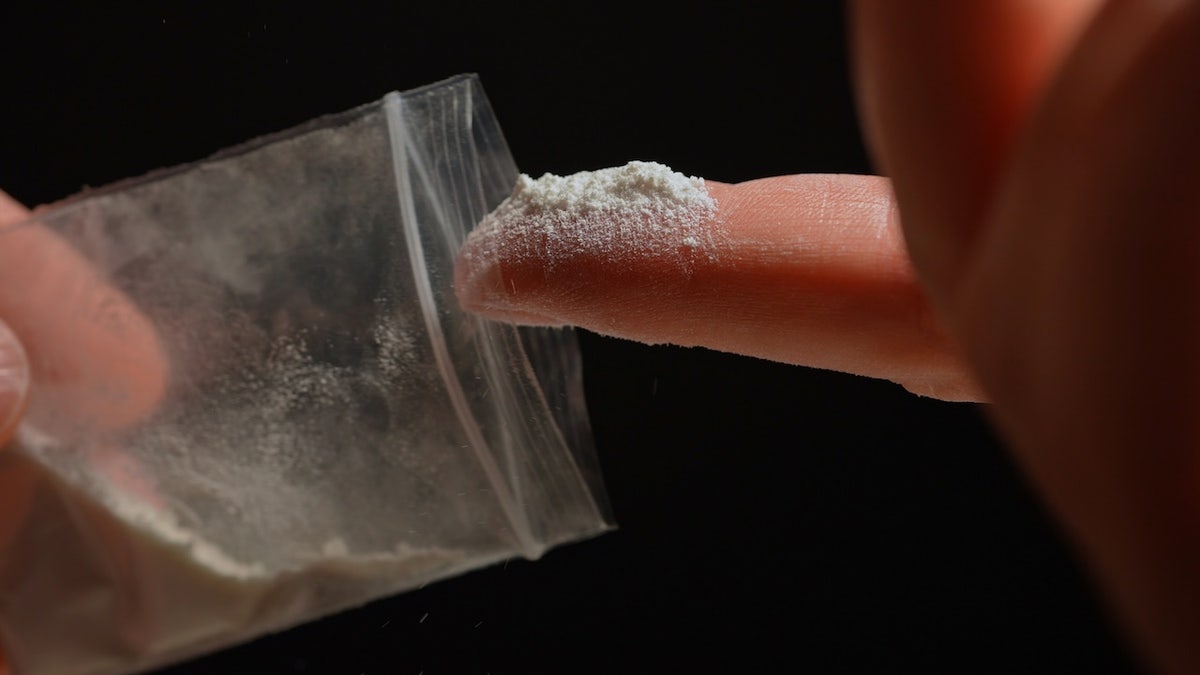
A new synthetic opioid called cychlorphine has raised alarms due to its potent effects, leading to numerous recent deaths across the United States. Health officials are sounding the alarm about its dangerous impact.
Recent Developments in Tennessee
Tennessee emerged as a critical area for cychlorphine-related incidents. By March 2026, the state’s health department reported over 30 fatal overdoses linked to cychlorphine since October 2025. The White House’s Office of National Drug Control Policy highlighted at least 41 deaths in Tennessee between July 2025 and February 2026, with a national toll reaching at least 55 fatalities.
Nationwide Impact
Other states like Illinois, California, and Oklahoma have reported fatal overdoses due to cychlorphine. The synthetic opioid, said to be more potent than fentanyl, continues to raise significant concerns according to public health and law enforcement records.
Understanding Cychlorphine
The Los Angeles County Department of Public Health warned that cychlorphine’s extreme potency means even a small amount can induce dangerous respiratory depression. Nicholas Kardaras, CEO of the New York Center for Living, described cychlorphine as “the new fentanyl on steroids,” highlighting its perilous potency.
Cychlorphine’s Impact and Usage
The Drug Enforcement Administration notes that cychlorphine affects the same receptors as fentanyl. It remains unapproved for medical use yet is found in illicit drugs and counterfeit pills. Its potency results in profound sedation, respiratory distress, and even death. Younger people face increased risk due to experimentation with substances and the prevalence of counterfeit drugs.
Many users encounter cychlorphine unknowingly as it is often blended with other drugs. According to Kardaras, cychlorphine is up to 10 times more potent than fentanyl, making it extremely dangerous.
Risks and Challenges in Detection
Cychlorphine comes in several forms including pills, powder, or intravenous administration. The risk increases as cychlorphine is frequently mixed with other drugs, often unbeknownst to users.
The effectiveness of naloxone, known under the brand name Narcan, can help reverse cychlorphine’s effects, but it may require multiple doses as opposed to standard situations with other opioids. Kardaras emphasized that traditional fentanyl test strips and regular hospital opioid urine screens fail to detect cychlorphine. This presents yet another challenge in addressing cychlorphine’s growing presence.
Ultimately, cychlorphine poses a significant risk due to its potency, absence in current detection methods, and its requirement of extensive naloxone doses. Handling this threat demands concerted effort and updated measures to ensure public safety.