
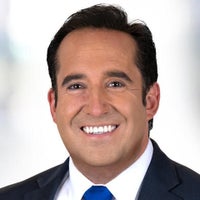
PHILADELPHIA — In the months leading up to basketball star LeBron James’s choice to join the 76ers, Aaron Selkow, a loyal season ticket holder, faced a significant decision: Should he renew his tickets for a 59th season or step away from a decades-long tradition?
“I’d been thinking about it forever,” Selkow, 56, shared with CBS News. “Those seats are us. I went from being a baby sitting on my parents’ lap to being next to my dad at games. The Sixers are more than a basketball team.”
Aaron’s father, Don Selkow, bought those season tickets back in 1968, paying $6.50 each for seats just a few rows behind the visitor’s bench.
“It’s like watching ballet,” Don remarked. “They’re right in front of us. We love the sport. We love each other. What could be better?”
Over the years, they watched legends such as George McGinnis, Julius Erving, Charles Barkley, and Allen Iverson play. By 2026, however, the cost for each game ticket surged past $600.
Aaron noted, “It wasn’t even just the finances. We have a daughter in college who wants to pursue graduate studies. We’d also like to do some fun things in our lives.” After nearly 60 years, the decision to stop was tough; instead of speaking with his father, Aaron wrote a heartfelt letter. This letter was later published in an op-ed in the Philadelphia Inquirer, and its sentiments resonated with sports fans nationwide.
“Whether it’s Eagles, Giants, or Pistons tickets, things have changed,” Aaron explained. “Price increases are outpacing inflation. The Sixers want someone who’ll pay the price, and that’s their business model.”
Growing Costs of Attending Live Sports
Attending live sports events has become significantly more expensive, rising 123% since 2000 based on the Consumer Price Index. This increase isn’t simply due to inflation.
Initially, the 76ers played at the Spectrum, an arena akin to the Boston Garden and Chicago Stadium. By 1996, the team shifted to the renamed Xfinity Mobile Center, a larger arena with plush seating options, suites, clubs, and restaurants. A recent $400 million renovation modernized the facility.
Though the number of seats rose, those available for average fans decreased, a trend seen nationwide across all major sports leagues.
The CBS News Data Team evaluated stadiums in America’s major sports cities, noting a reduction of nearly 90,000 seats since 2000. Many seats now cater to clubs, boxes, and suites.
In the NFL, Buffalo’s new Highmark Stadium is the smallest among 32 teams, with only 60,000 seats, down 16% from the previous Bills Stadium capacity. The stadium hosts two suite levels, and the team sold over 3,600 club suite licenses for $65 million.
Similarly, Globe Life Field, home to the Texas Rangers, decreased by more than 16% compared to its predecessor. It includes over 130 suites and more than 3,000 club seats. The Texas Rangers celebrated their fans at Globe Life Field in September 2026.
Renovations also reduce seats; Anaheim’s Angels Stadium lost 19,076 seats in 1998, while Miami’s Hard Rock Stadium shed 10,692 in its 2015-16 remodel. In 2003, Soldier Field, home to the Chicago Bears, cut 5,444 seats.
Franchises such as the Bears, Kansas City Chiefs, Dallas Stars, Washington Commanders, and Philadelphia 76ers plan to build new arenas and stadiums within the next five years.
Increasing Expenses in the Sports Industry
Game attendance costs have risen, and running a sports franchise has grown more expensive, especially in maintaining competitive teams.
Mike Vorkunov, sports business writer for The Athletic and The New York Times, described how owners aim to boost revenue through premium seating and exclusive offerings.
“Everything is getting more expensive,” Vorkunov told CBS News. “Player costs, coaching expenses, general manager salaries, travel, scouting, and R&D costs have all climbed.”
New franchise owners, after paying billions for their teams, strive to make substantial profits.
Vorkunov explained, “Previously, sports were seen as fun, often run by mom-and-pop operations, tolerating small losses. But now, with enormous purchase prices and potential losses, the sports ecosystem pushes teams to profit every year.”
For loyal fans like the Selkows, Vorkunov emphasized that franchises increasingly recognize the need to appeal to returning customers, once the backbone of their business model.
“Everyone must confront the reality that sports are becoming less accessible,” he noted.
The Selkows might not occupy their stadium seats as the 76ers chase a championship, but if LeBron James propels them to success, Aaron and Don will undoubtedly be watching together.
“Everybody who knows us recognizes that the Selkows and the Sixers go hand in hand,” Aaron declared.