
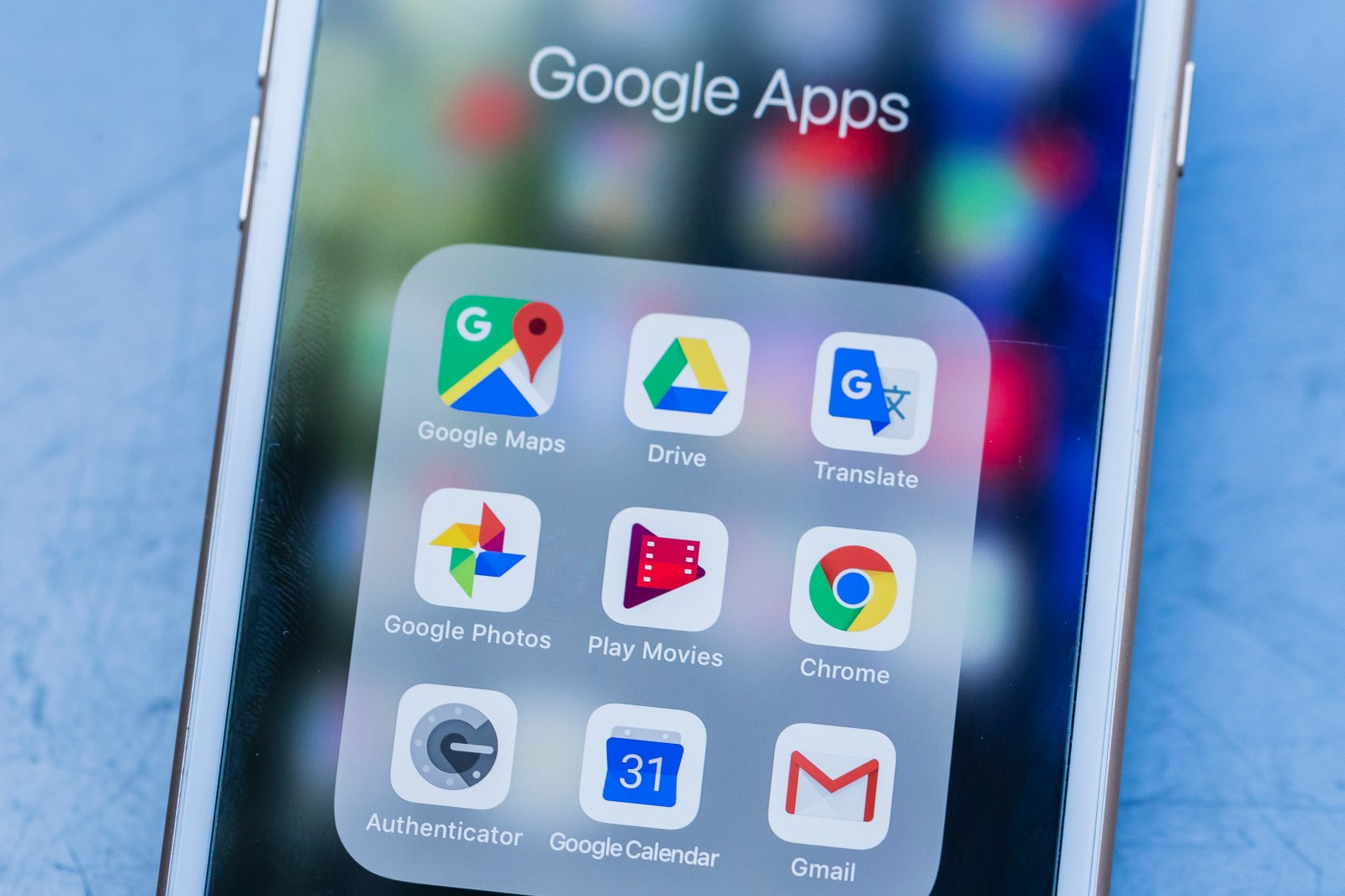
On Monday, Americans might receive different answers about which holiday they are observing, depending on whether they use Google Calendar or Apple Calendar. Apple’s U.S. Calendar displays both Columbus Day and Indigenous Peoples’ Day, while Google Calendar lists only Columbus Day. This difference highlights a national debate over Christopher Columbus’ legacy and whether the second Monday in October should celebrate the Italian explorer, honor indigenous peoples, or recognize both.
Google’s approach to calendar events changed significantly in mid-2024. Initially, the Calendar team manually added various cultural celebrations, teacher days, and more, catering to many countries globally. However, maintaining this approach proved unfeasible, as the feedback indicated many events and countries were missing. Consequently, Google decided to simplify its calendar by relying primarily on public holidays and national observances supplied by Timeanddate.com.
The distinction is significant because Columbus Day remains the federal holiday’s name. Although Indigenous Peoples’ Day is recognized in various forms across numerous states and Washington, D.C., it is not a federal holiday.
Why It Matters
The divergence between Google’s and Apple’s calendar platforms offers a prominent example of the larger national debate on the interpretation of October’s federal holiday. Columbus Day supporters emphasize Columbus’ 1492 voyage, especially within the Italian American community, while highlighting the discrimination faced by Italian immigrants. Conversely, many Native Americans and critics see Columbus as a symbol of European colonization and violence, arguing that the holiday fails to acknowledge the serious consequences of displacement and the losses suffered by indigenous communities.
A growing number of groups advocate using the occasion to highlight Native American history and culture. Bryan Driscoll, an HR consultant, remarked that the debate over these holidays has become another political battleground, dividing people into camps. He emphasized that Indigenous Peoples’ Day is about recognizing that history did not begin with Columbus’ arrival and acknowledging his legacy of colonization and violence.
Five states—Montana, Nebraska, Ohio, Pennsylvania, and Rhode Island—recognize Columbus Day alongside Indigenous Peoples’ Day. Tension persists over which holiday should be prioritized.
What Google and Apple Calendars Show
Google’s calendar displays only Columbus Day. Apple’s calendar includes both holidays, though the company has not publicly explained this choice. Google’s broader policy change in February 2025 clarifies how holidays and observances are decided. The company stated that initially, it added a broader set of cultural events, but feedback highlighted missing events and countries, prompting a shift to focus solely on public holidays provided by Timeanddate.com.
Kecia Thomas, an industrial organizational psychologist, noted Apple’s inclusion of both holidays reflects its dedication to dignity and respect. This decision aligns with the vote by Apple shareholders last year against dismantling the global organization’s diversity, equity, and inclusion programs.
Can Google Calendar Users Add Indigenous Peoples’ Day?
Users can customize Google Calendar to display public holidays and other observances or limit it to public holidays only. Individual holidays can be selected, and users can add holidays from other countries and regions.
Google Calendar’s handling of Columbus Day has generated controversy among users. Nichole Pitts, CEO of Ethintegrity, emphasized that recognizing Indigenous Peoples’ Day challenges incomplete historical narratives. She stressed that diversity, equity, and inclusion aim to expand lenses to include experiences historically excluded.
Pitts also pointed out that Apple accommodates both observances, while Google’s choice leaves Indigenous recognition out. Firms that prioritize their values as a guiding principle, especially under pressure, are more likely to earn trust from employees and customers, according to Pitts.
Is It Columbus Day or Indigenous Peoples’ Day?
Federally, Columbus Day retains recognition. President Donald Trump issued a Columbus Day proclamation in 2026, maintaining Columbus Day as October 12 and encouraging Americans to observe it.
Trump’s administration defends Columbus’ legacy as a figure who changed humanity’s future. This stance contrasts sharply with former President Joe Biden, who, in 2021, became the first U.S. president to formally recognize Indigenous Peoples’ Day. Biden issued a separate Columbus Day proclamation, preserving the federal Columbus Day observance.
The Debate Over Columbus Day
Columbus Day commemorates Columbus’ Atlantic crossing and subsequent arrival in the Caribbean in 1492. For some Italian Americans, the holiday symbolizes the discrimination faced by their ancestors. André DiMino, president of the Italian American One Voice Coalition, highlighted Columbus Day as a reminder of past discrimination against Italian immigrants, noting that the first Columbus Day was declared by President Benjamin Harrison as an apology for ill-treatment.
Opponents, however, view Columbus Day as marking the onset of colonization, displacement, and losses for indigenous peoples. Indigenous Peoples’ Day seeks to center Native communities and history.
Bryan Driscoll highlighted the politicization surrounding these holidays as part of a broader anti-diversity, equity, and inclusion movement. He emphasized that recognizing indigenous peoples is incorrectly perceived as an attack on white identity. Organizations must decide whether to uphold diverse communities’ recognition, even when faced with political controversy.
What Happens Next
Americans should expect to see both names continue appearing in different settings. Columbus Day remains the federal holiday, but states and local governments have adopted varied approaches toward Indigenous Peoples’ Day.