
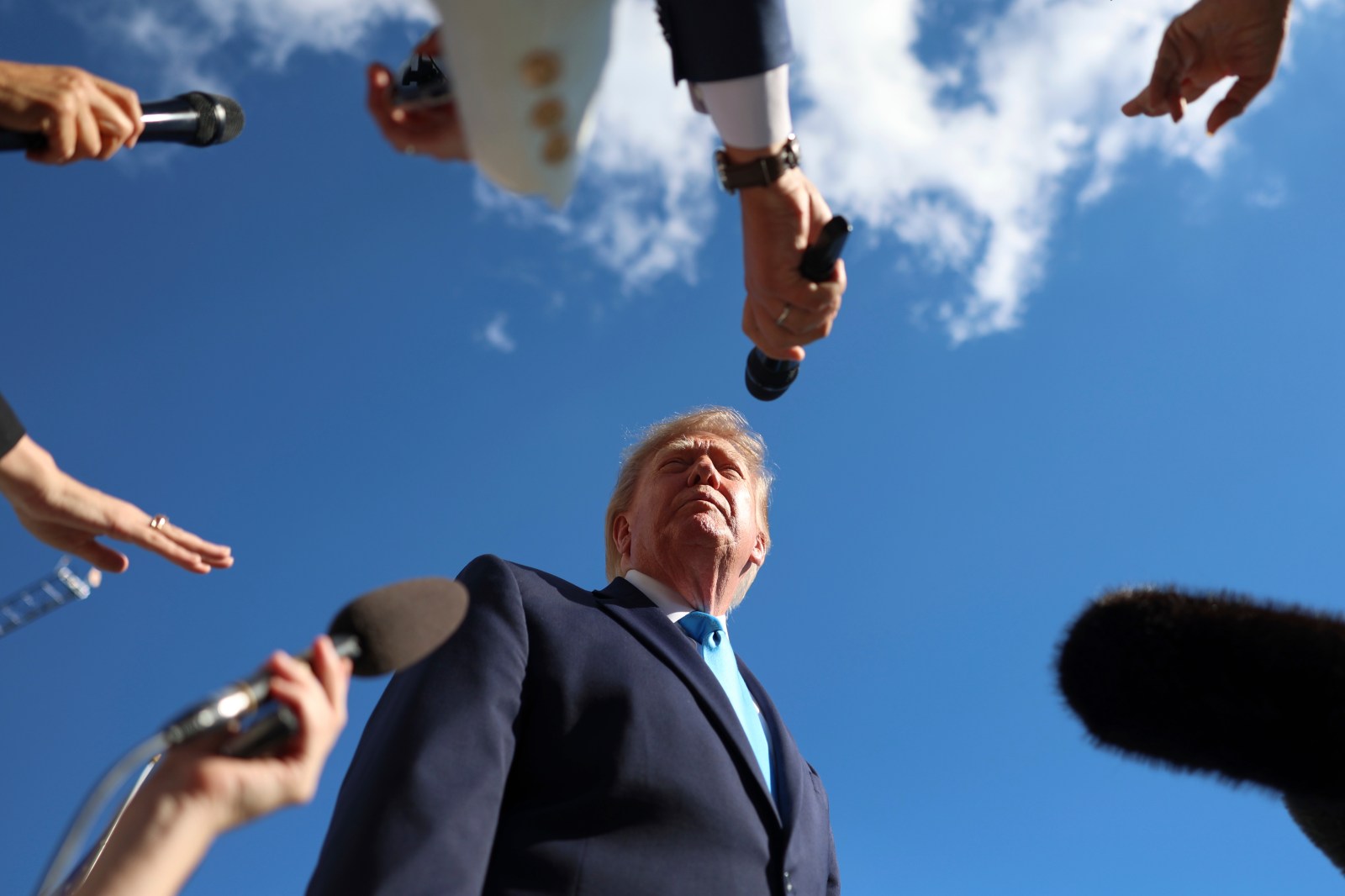
President Donald Trump has decided to execute Nidal Hasan, the former U.S. Army psychiatrist responsible for the 2009 Fort Hood shooting that killed 13 unarmed soldiers. Pentagon spokesperson Sean Parnell announced on social media that Secretary of Defense Pete Hegseth suggested using a firing squad, and Trump approved.
Hasan was sentenced to death by a military jury in 2013. He will be the first U.S. soldier executed in more than 60 years. Trump reintroduced firing squads, electrocution, and gas asphyxiation as execution alternatives in April due to growing concerns over lethal injections.
Understanding Execution by Firing Squad
The U.S. historically used five methods for the death penalty: lethal injection, electrocution, gas, hanging, and firing squad. Since 1977, firing squad has been used only six times after capital punishment resumed following a 10-year hiatus. Although Trump added it as a permissible execution form for severe federal crimes, it remains rare.
Lethal injection is the most common method since 1976, followed by electrocution. Hanging is illegal in all states.
States Permitting Execution by Firing Squad
Military executions differ from state-level executions. Military law requires appellate review and presidential approval. State executions happen in 27 states where capital punishment is legal, including Texas, Idaho, Utah, and others.
23 states and Washington, D.C., have abolished capital punishment. Among the 21 remaining states, five permit firing squad executions: Idaho, Mississippi, Oklahoma, South Carolina, and Utah. Inmates may choose their execution method.
Tennessee’s Christa Pike requested execution by firing squad, but the state does not authorize it. House Speaker Cameron Sexton aims to introduce this option after Pike survived a lethal injection.
Mechanics of Execution by Firing Squad
Executions are carried out by trained volunteers from corrections, law enforcement, or the military, aiming at the condemned inmate’s heart. Each squad’s composition varies. South Carolina uses three volunteers, while Utah opts for five certified officers.
In South Carolina, prisoners are strapped to a chair positioned over a catch basin, about 15 feet from the squad. Special bullets designed for maximum heart damage are used. Simultaneous firing prevents identification of the shooter responsible for the fatal shot.
Recent Firing Squad Executions
In South Carolina last year, firing squad executions included Brad Keith Sigmon, Mikal Mahdi, and Stephen Corey Bryant. Sigmon’s execution was the first since Ronnie Lee Gardner in 2010 and the first ever in South Carolina.
The state’s law allows inmates to choose among firing squad, electric chair, or lethal injection. A 2024 ruling declared these methods legal. An autopsy suggested Mahdi might have experienced prolonged suffering due to missed shots.
Upcoming Execution of Nidal Hasan
Hasan was an Army psychiatrist from Virginia radicalized after his mother’s death. On November 5, 2009, he killed 13 soldiers at Fort Hood, injuring 32 more. The Secretary of the Army will set Hasan’s execution date and location. Parnell stated that Hasan’s judgment day has arrived, and Hegseth voiced support for justice.
Three other inmates remain on the U.S. military’s death row with Hasan.