
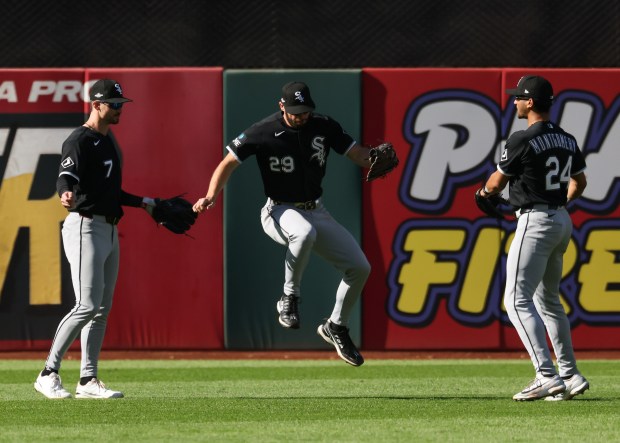
The tension between Chicago’s Cubs and White Sox fans is a defining element of the city’s sports culture, dating back over a century. After splitting the City Series in August, White Sox pitcher Erick Fedde remarked that a 3-3 split likely helped keep Chicago’s passion for the teams in check. This rivalry, filled with memorable encounters, remains part of Chicago’s lore.
Currently, with the Cubs out of the playoffs and the White Sox competing in the American League Division Series, questions arise about whether a temporary truce is possible. As fans consider supporting the Sox’s playoff run, the team’s players and staff have mixed feelings.
“You can cheer for whoever you want,” Fedde stated before Game 2 of the ALDS. “But true loyalty to your club is preferred. If fans want to root for us at home, that’s fine, just don’t take seats from loyal Sox supporters.”
Guaranteed Rate Field will host Game 3, featuring a “Blackout Game” theme, inviting fans to wear the team’s primary color. The Blackout tradition, which started during the 2008 tiebreaker, was repeated in 2021 against the Houston Astros, and it attracts both loyal and new attendees.
Sox marketing expert Brooks Boyer emphasized inclusivity, saying, “We appreciate anyone who wishes to support the team, even Cubs fans. We understand Chicago’s sports culture, and while it’s not always easy, it’s about extending the city’s summer spirit.”
The rivalry, rooted in the early 1900s, stems from the 1906 World Series when the underdog Sox defeated the Cubs. The fierce competition, reported with jubilation and noise in the Chicago Tribune, has kept fans engaged for generations. Despite this history, some see the current Sox team as likeable, featuring no dominant superstars but rather a mix of emerging talents:
- Munetaka Murakami, lauded for his spirited demeanor, emerged in viral postgame moments.
- Manager Will Venable provides steady leadership without fanfare.
- Reliever Mike Vasil is recognized for his skillful performances.
Discussions on acceptance of Cubs fans in the Sox community reveal varied perspectives. Mike Vasil expressed openness but advised fans not to switch allegiances during the cross-town series. Center fielder Tristan Peters acknowledged the rivalry’s significance but held no objections to newfound supporters. DH Andrew Benintendi welcomed more fans, indifferent to their previous loyalties.
While Chicago is typically known as a Cubs town based on attendance, Sox left fielder Sam Antonacci challenged this notion, asserting a shared city identity. Recalling positive experiences at Wrigley Field, Antonacci encouraged support under certain conditions:
- Fans should don Sox gear at games.
- Mutual respect, regardless of past allegiances, is critical.
Old traditions and neighborhood rivalries still echo through the city’s history, from the 2003 NL Championship Series sign at McNally’s bar to friendly gatherings at Wrigleyville’s Nisei Lounge for turtle races. Despite these enduring frictions, some propose that, in modern economic times, the line between fandoms may blur.
As the White Sox continue their playoff journey, and with options to join communal support, perhaps the city’s baseball fans can find common ground. It serves as a reminder of Pope Leo’s sentiment for acceptance.